
Case study: ELGÓR + HANSEN S.A. (Energy sector)
3D printed scale model prototyping can turn large, complex products into fast, portable, and low-cost presentation tools, especially when design variations must be evaluated quickly with multiple stakeholders.
Print specification
- Industry: Energy sector
- Client: ELGÓR + HANSEN S.A.
- Category: Prototyping
- Filament: ABS-42
- Print time: 37 hours
- Weight: 298 g
The task: a show mock-up for a new PV-related product
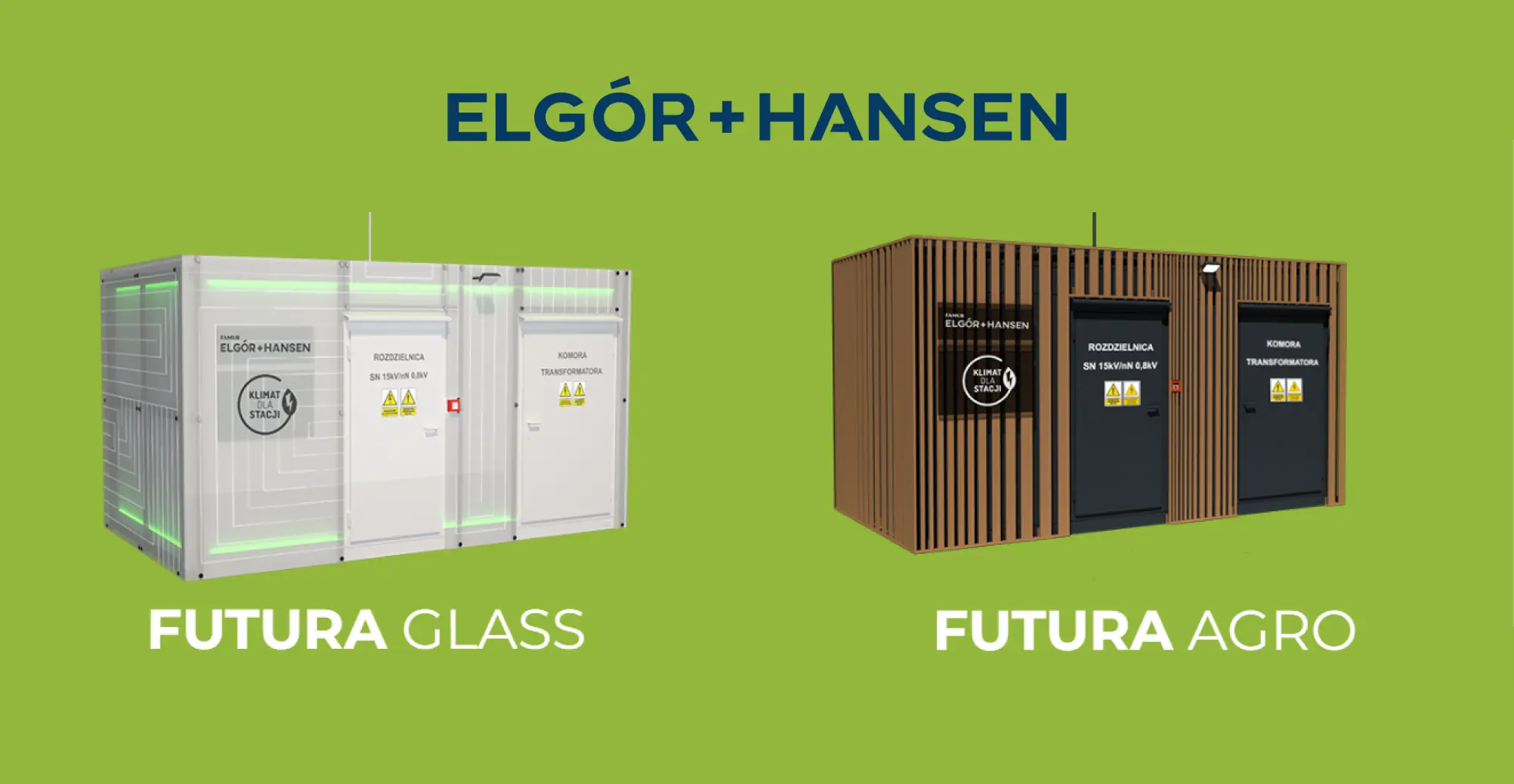
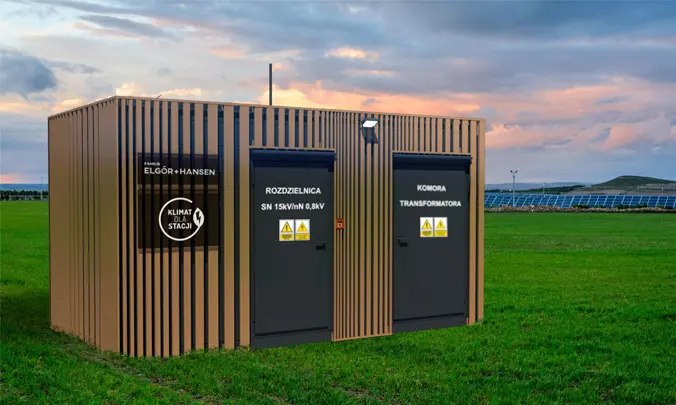
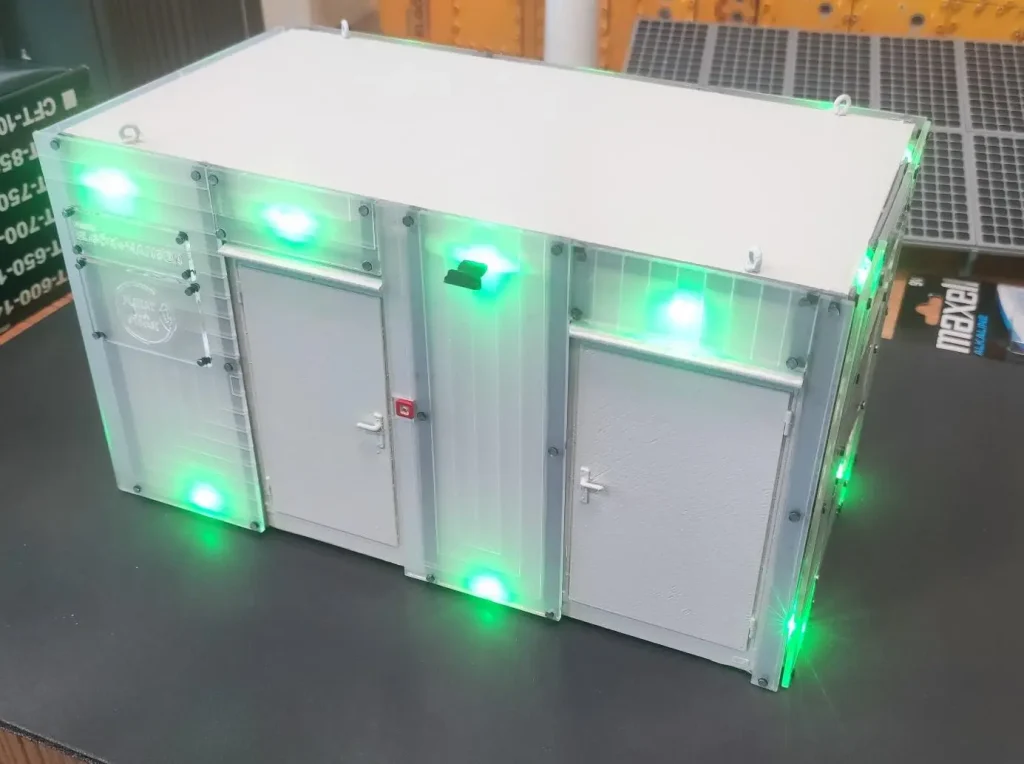
To meet the needs of the photovoltaic (PV) sector, ELGÓR + HANSEN S.A. developed a new product: the “FUTURA” container transformer station.
Beyond technical requirements, the project also placed strong emphasis on arrangement and design as a key differentiator. One concept direction was intended to communicate the “green” character of energy and visually integrate with its surroundings.
This work confirmed how important collaboration between industry and designers can be, where technical, environmental, and design aspects must align.
The context: fast PV growth drives faster product development
The case study highlights that PV adoption in Poland has been growing rapidly, supported by renewable energy incentives and rising electricity prices.
As one example indicator in the document: in August 2022, Poland produced 14.1 TWh of electricity, including 2.5 TWh from renewable energy sources, representing 17.5% of the total. The document also states that PV dominates the structure of installed renewable capacity in Poland.
The practical implication: when the market moves quickly, supporting products and infrastructure must evolve quickly too, making rapid prototyping and iteration more valuable.
The approach: reduce a large product into a portable, iteratable model
Scale model prototyping with Omni500 LITE
Prototyping was supported using the Omni500 LITE, which significantly accelerated the work.
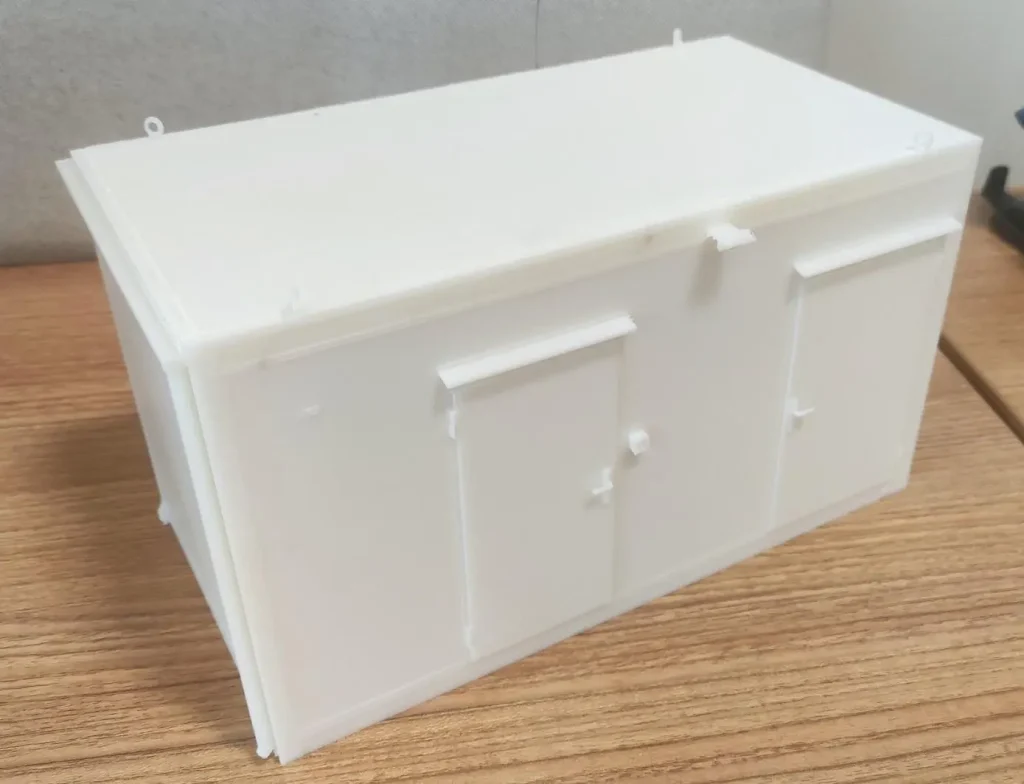
The goal was to create 1:20 scale models of the station with 3D printed elements within dozens of hours, enabling the team to:
- present concepts to stakeholders,
- gather feedback,
- and introduce improvements or changes in the next iteration.
Two design versions (plus custom options)
The intended outcome included two distinct arrangements:
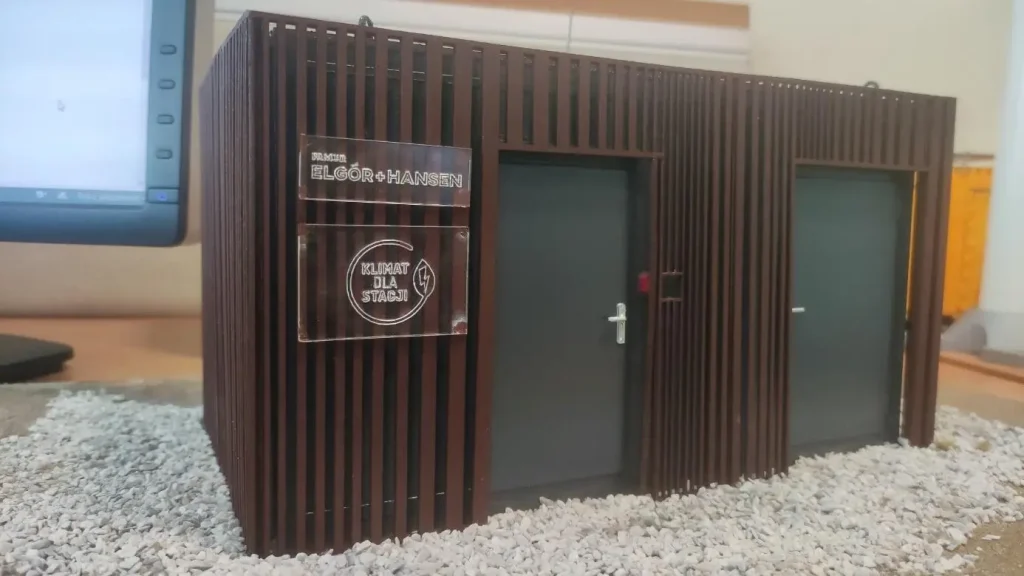
- FUTURA AGRO
- FUTURA GLASS
Practical build method: split, print, assemble
To speed production and manage print constraints, the model was split into parts, printed, and then glued into a complete mock-up.
This approach helped keep iteration costs low and made repeated presentations feasible without major expense.
Results: faster iteration, lower cost of changes, stronger presentation impact
Two-week project cycle
The full project was completed in two weeks, including:
- printing,
- arrangement,
- painting,
- and adding extra elements such as lighting and a fragment of scenery.
Presentation-ready output
The finished mock-ups were presented at multiple meetings and trade fairs, helping communicate both technical intent and design direction.
From prototype to production
The case study states that production of the container stations in the FUTURA AGRO and FUTURA GLASS versions has already started.
- FUTURA AGRO: inspired by natural landscape; vertical elements imitating wood create a harmonious structure.
- FUTURA GLASS: references façades of modern urban spaces.
Technical summary table
| Item | Value |
|---|---|
| Industry | Energy |
| Client | ELGÓR + HANSEN S.A. |
| Category | Prototyping |
| Printer used in prototyping | Omni500 LITE |
| Material | ABS-42 |
| Print time | 37 h |
| Model weight | 298 g |
| Scale | 1:20 |
| Build method | Model split into parts and glued |
Practical takeaways (for engineering + product teams)
- Scale models accelerate decision-making: turning a large product into a portable mock-up makes design evaluation and stakeholder alignment faster.
- Iteration cost drops sharply: when each new version can be produced in tens of hours, design refinement becomes cheaper and less risky.
- Design differentiation becomes tangible: finishes, lighting, and contextual presentation elements can help communicate “product identity,” not just geometry.
- Split-and-assemble is a pragmatic workflow: dividing the model into parts and gluing after printing can make large mock-ups more feasible and repeatable.
FAQ
What was the purpose of the 3D printed scale model?
To present and refine design arrangements of the FUTURA container transformer station quickly with stakeholders, enabling iterative improvements and cost-effective presentations.
What scale was used for the mock-up?
The mock-up was produced at 1:20 scale.
How long did the print take and how heavy was the model?
37 hours total print time and 298 g weight (as listed in the print specification).
What material was used?
The model was printed using ABS-42 filament.
Why split the model into parts?
The case study states the model was split into parts and later glued, supporting faster production of the scale mock-up within dozens of hours.






