
Resources
Insights, trends, and actionable strategies for aerospace, automotive, industrial maintenance, and defense industries using cutting-edge large-format 3D printers.
How to Reduce Additive Manufacturing Cost per Part in Small-Series Production
When Should You Bring Industrial 3D Printing In-House?
Formnext 2026: Turning Industrial 3D Printing Ideas into Production Decisions
Omni3D at MSV 2026: Industrial 3D Printing for Factory-Floor Tooling
3D Printed Jigs and Fixtures: 5 Engineering Rules for Industrial Tooling
Defense Additive Manufacturing After MSPO 2026: From Equipment to Capability
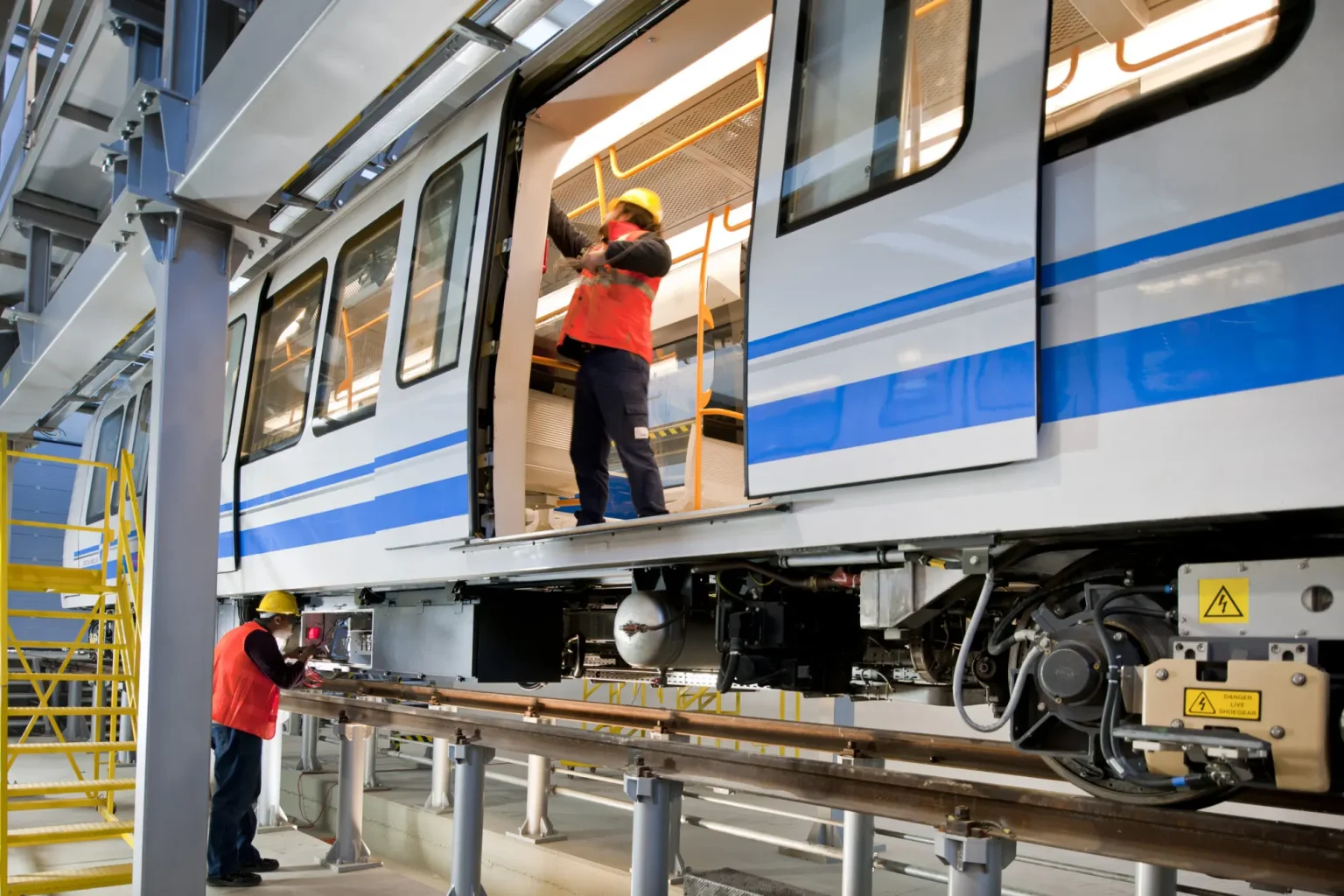
EN 45545-2 HL2: Materials and Process Validation for Railway AM
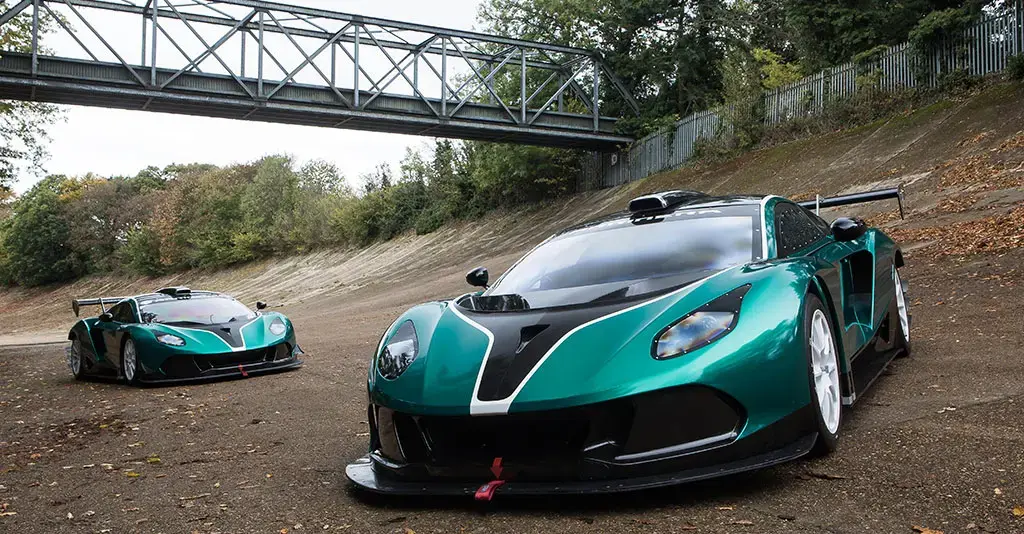
Industrial Automotive 3D Printing from Engineering to Production

Omni3D Opens U.S. Office, Signs Building Momentum for Defense Vertical, and Announces IMTS Showcase of PRO and TECH+ Systems
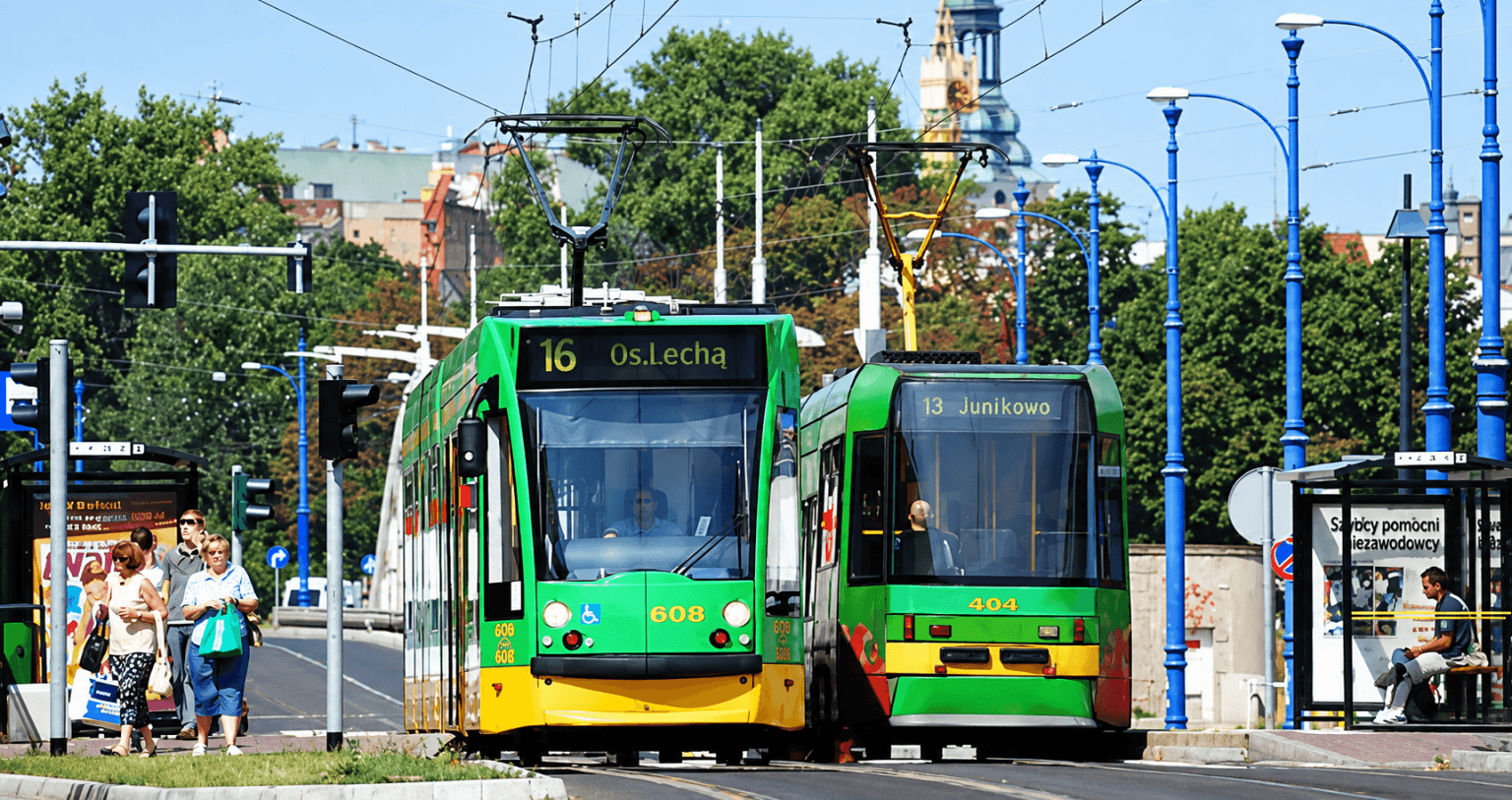
Is 3D Printing Ready for Railway Signalling? Understanding EN 45545-2 HL3
Industrial 3D printing solutions trusted by










Latest blog posts
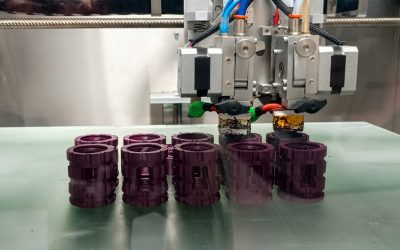
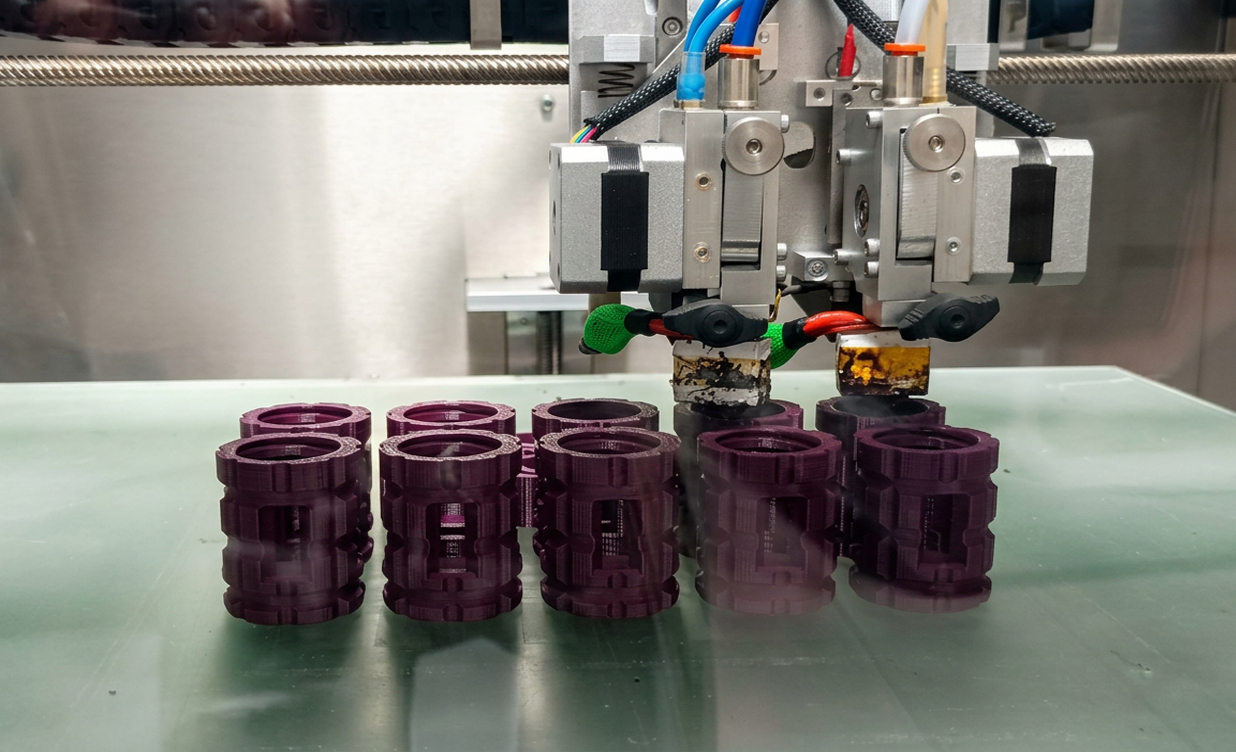
How to Reduce Additive Manufacturing Cost per Part in Small-Series Production
Small-series additive production depends on more than print speed. This guide explains how to evaluate flow rate, dual extrusion, post-processing and quality control using cost per accepted part. It also outlines how to compare polymer and metal workflows and build a realistic production case before scaling.
When Should You Bring Industrial 3D Printing In-House?
The decision to own an industrial 3D printer depends on the work it will receive and the team that will operate it. Compare service, in-house and hybrid routes using accepted-part costs, capacity, qualification and a transparent break-even model before committing to equipment.
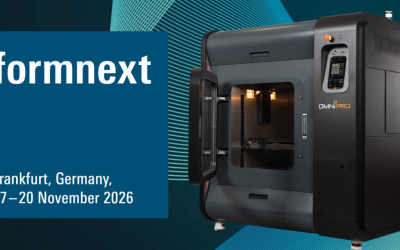
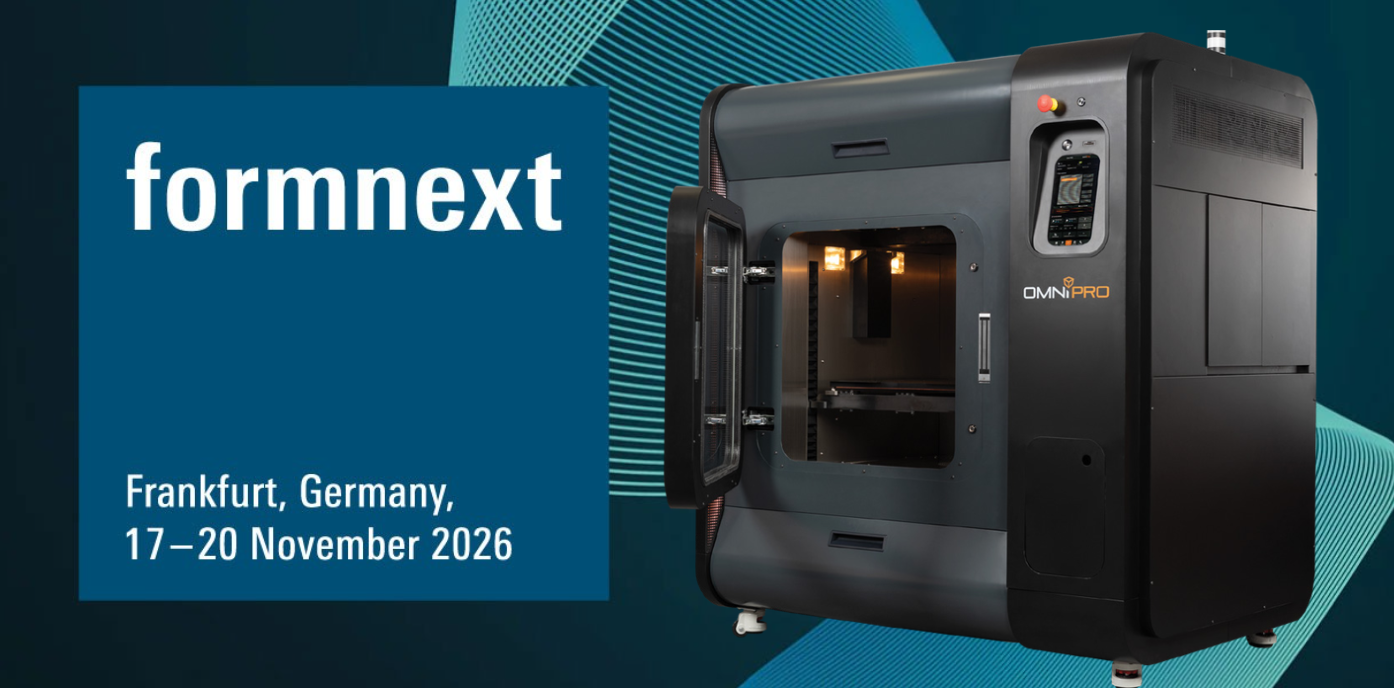
Formnext 2026: Turning Industrial 3D Printing Ideas into Production Decisions
Formnext offers time to step back from daily production demands and evaluate what comes next. Omni3D is using the event to connect practical questions about materials, workflow automation, capacity and investment with manufacturing needs. Meet the team in Frankfurt, Hall 12.1, Booth F41.







