
ADDITIVE MANUFACTURING FOR DEFENSE INDUSTRY

On-Demand, Robust & Secure Part Production: Omni3D’s Industrial-Grade Large-Format Printers Ensure Reliable Manufacturing of Mission-Critical Components with Traceability and Material Versatility for Demanding Defense Applications.
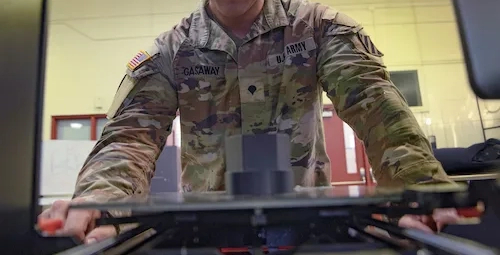
FAST RESPONSE WITH ADDITIVE MANUFACTURING ON THE BATTLEFIELD & R&D PROJECTS
3D printing technology offers unbeatable faster responses and a revolutionary approach to battlefield critical situations, empowering military forces with the ability to produce essential parts on-demand or test new solutions.
Partner to leading companies

Airbus, a global leader in aerospace, leverages Omni3D’s large-format 3D printing to accelerate the production of tooling and fixtures for aircraft manufacturing.

Collins Aerospace, a key supplier of aerospace and defense technologies, utilizes Omni3D’s open material platform to manufacture high-precision jigs.

Leonardo Helicopters, a major player in the rotorcraft industry, relies on Omni3D’s industrial-grade 3D printing systems to produce custom jigs and fixtures for helicopter assembly.

The Lukasiewicz Research Network – Institute of Aviation, a leading research and development center for the Polish aerospace industry, employs Omni3D’s 3D printing technology to conduct cutting-edge research in aerodynamics.

Safran Helicopters, a world leader in helicopter manufacturing, utilizes Omni3D’s large-format 3D printing to produce spare parts and tooling for helicopter maintenance and repair.

Symétrie, a specialist in high-precision positioning systems for aerospace and defense, leverages Omni3D’s 3D printing technology to manufacture complex components for their hexapod.
application cases
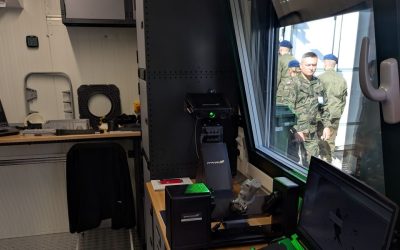
Defense Additive Manufacturing After MSPO 2026: From Equipment to Capability
Following MSPO 2026, the implementation question is how to turn additive manufacturing equipment into a controlled production capability. This guide connects polymer and metal process selection with TFU20 deployment planning, approved digital files, inspection and the operational support needed for point-of-need manufacturing.

Secure Additive Manufacturing for Defense: How to Control 3D Printers, Data and Supply Chains
Defense additive manufacturing security extends beyond CAD encryption. This guide maps remote access, wireless connectivity, firmware, removable media and supply-chain risks to concrete AM cybersecurity controls and explains how air-gap-ready deployment supports controlled production.

Omni3D Defense Additive Manufacturing Architecture at MSPO 2026
Defense...
3d printers for defense

Materials
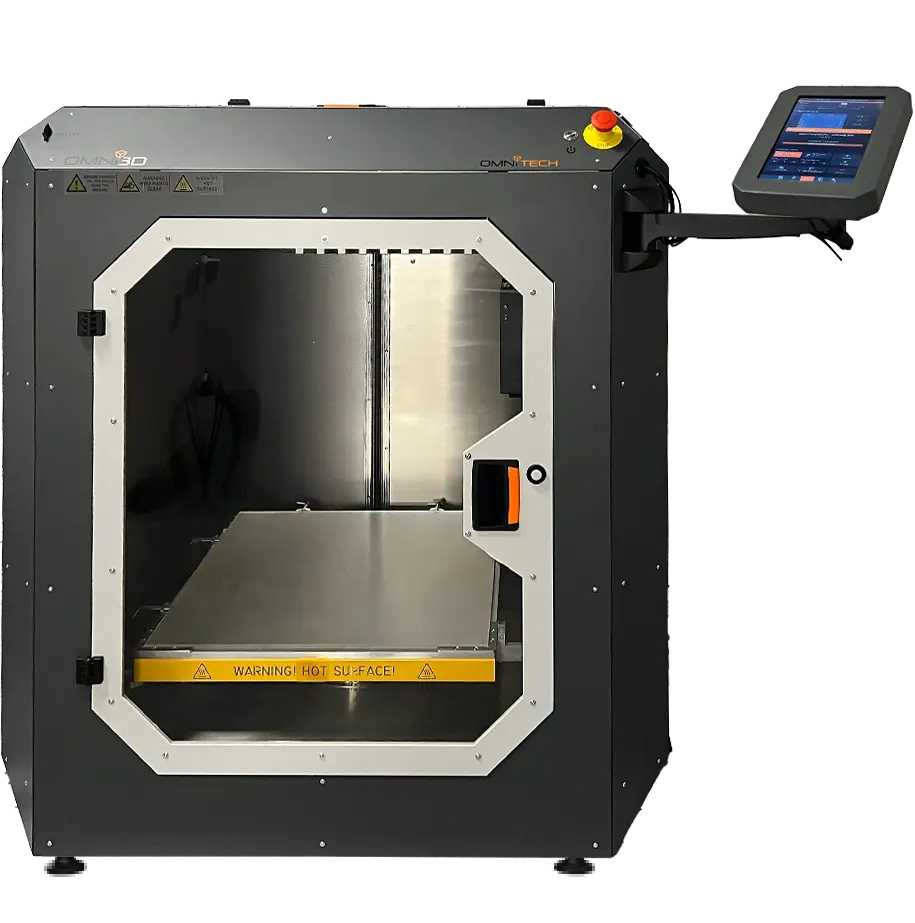
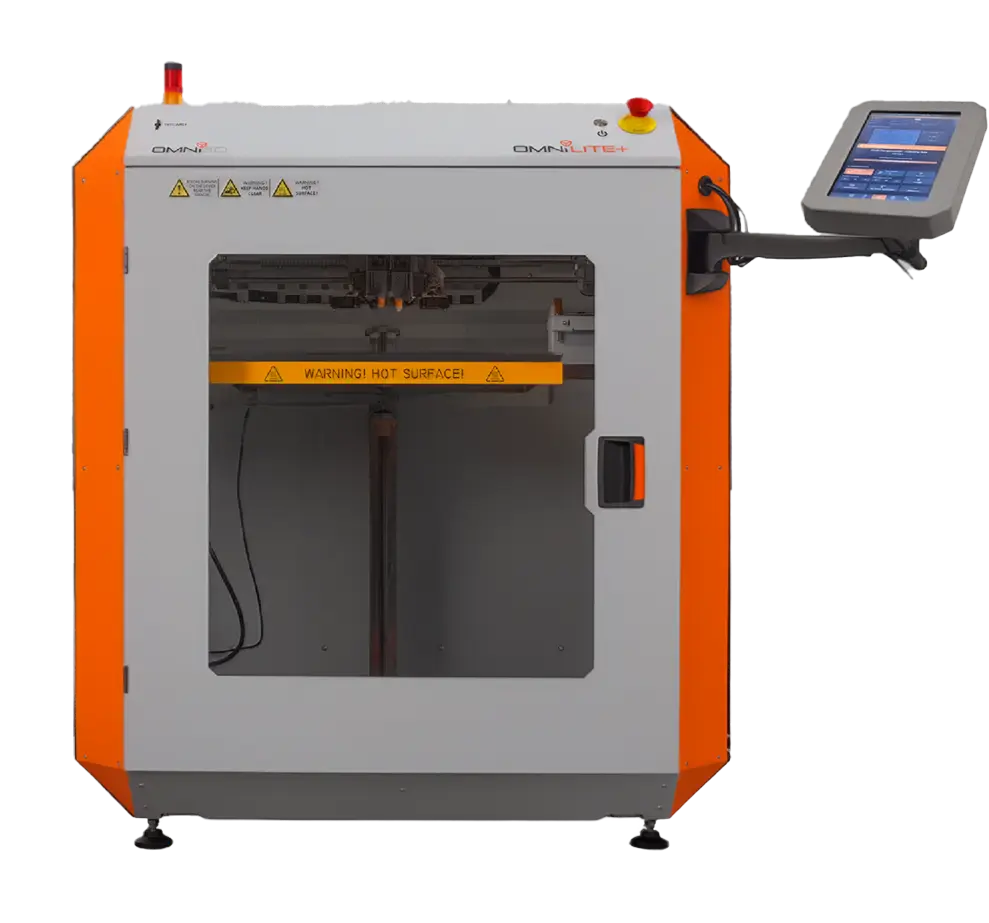
At Omni3D, we believe in the power of choice. Our open material systems allow you to explore a vast array of materials, tailored to your specific needs. From engineering-grade thermoplastics to specialty filaments, our printers are designed to handle it all.
Omni compatible materials include:
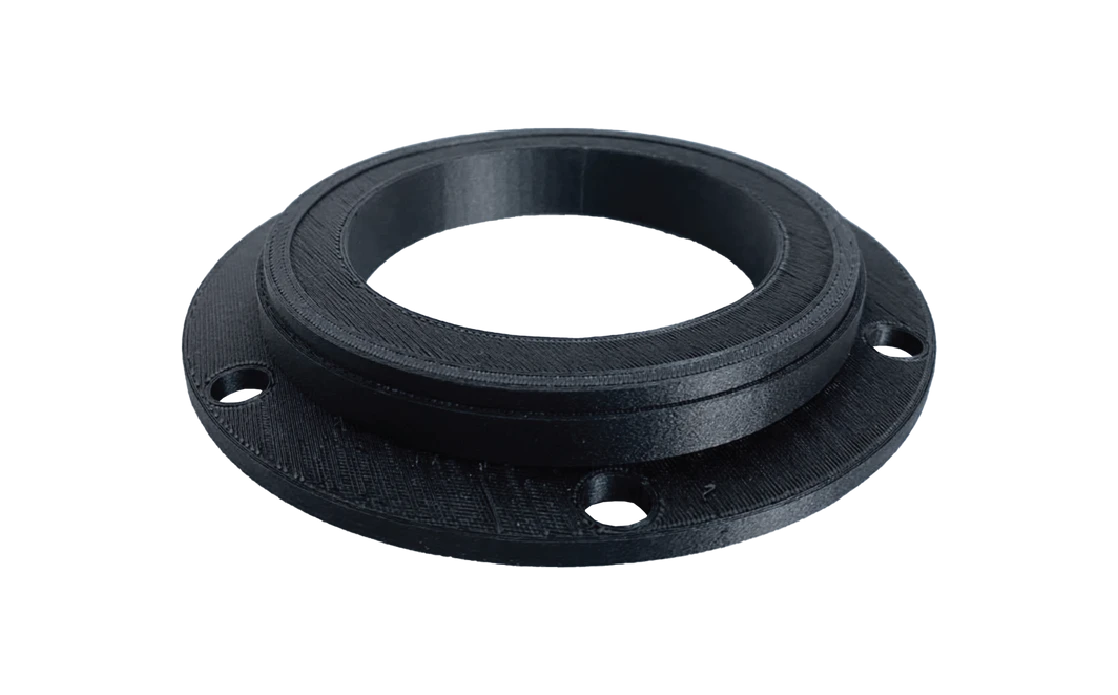
TPU
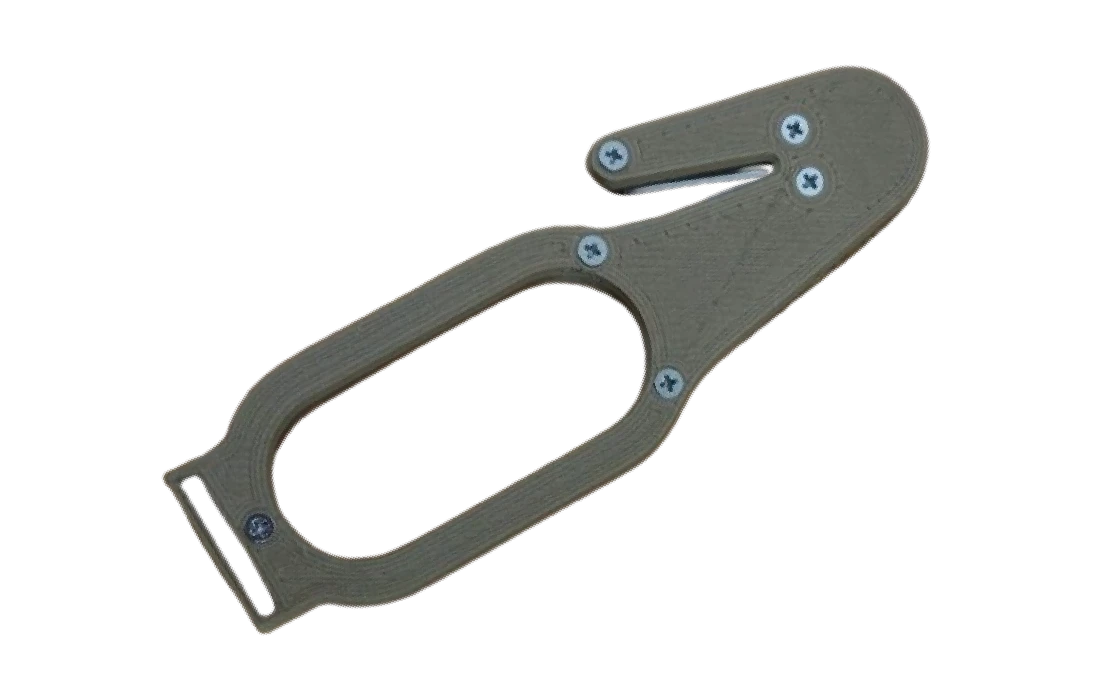
ASA
Parachute Safety Knife
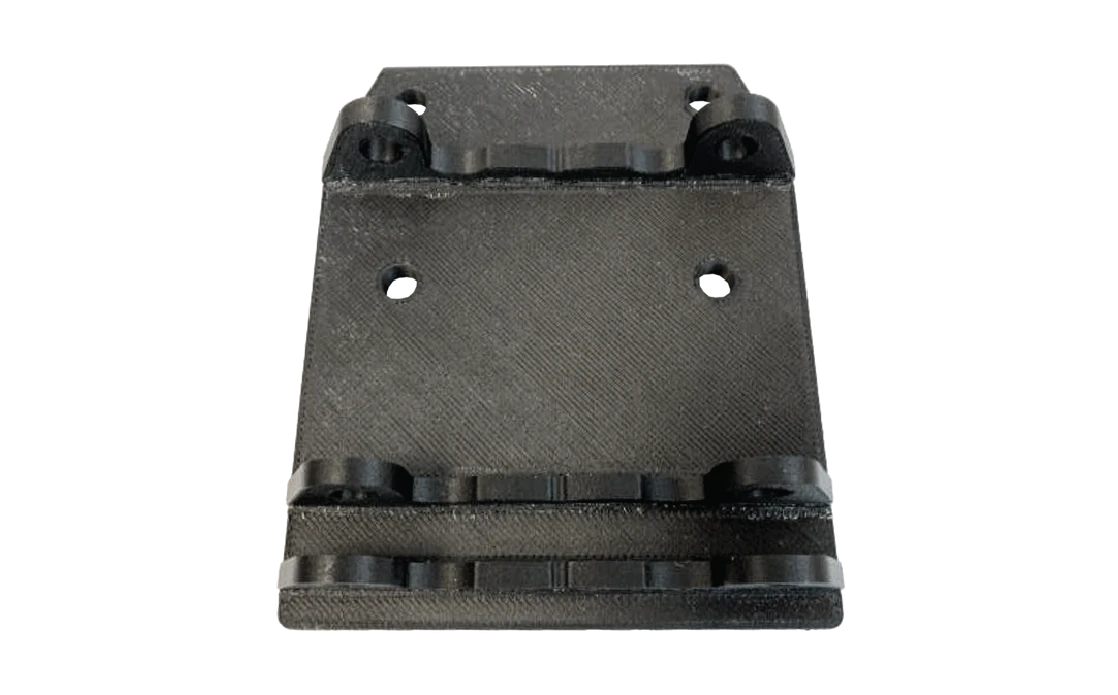
CF PA-12
JELCZ 442.32 air conditioner bracket
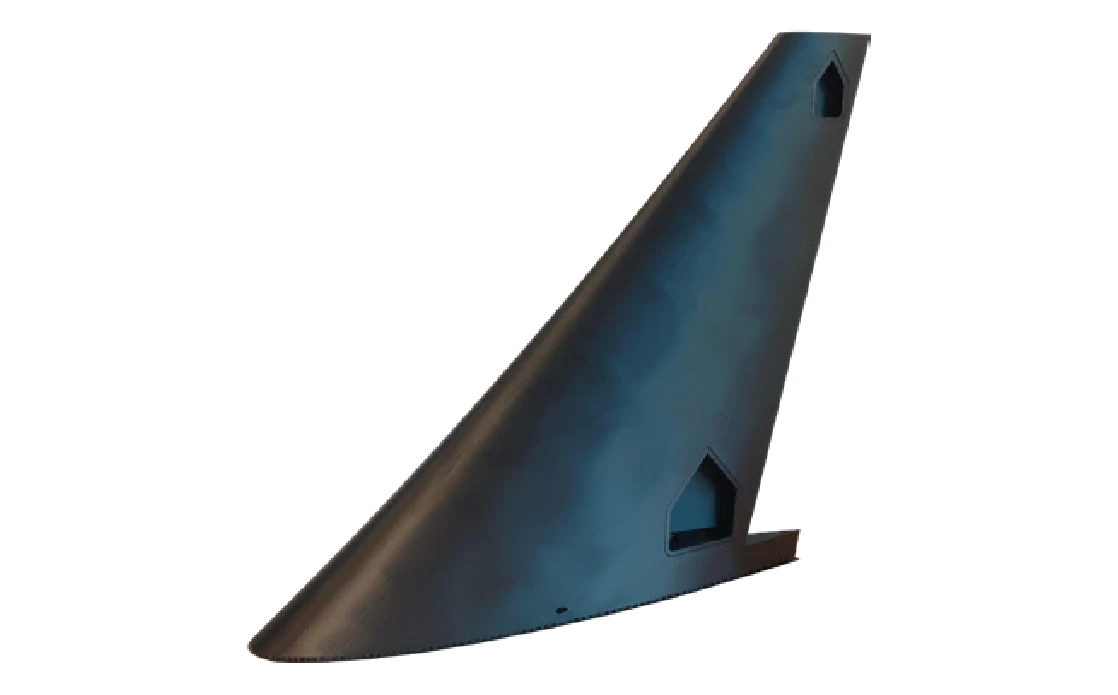
ABS
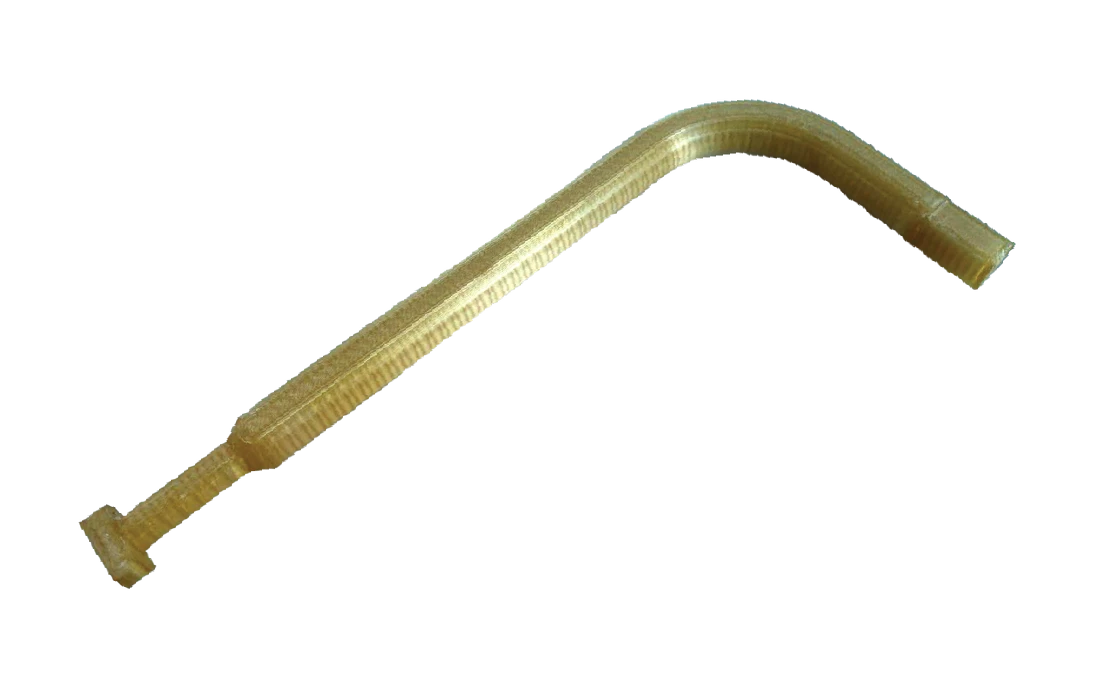
PEKK
Industrial 3D printing solutions trusted by










Latest blog posts
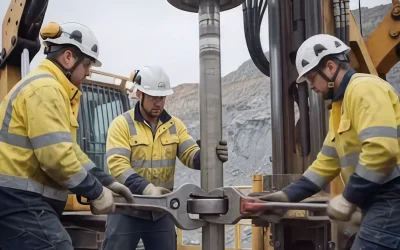
3D Printing a Downhole Thermal Barrier: Avalon Sciences and Omni3D
Avalon Sciences approached Omni3D while developing a thermal barrier for downhole tools. The project brought together a demanding service requirement, a PEEK processing challenge and a documented PEKK-A proposal. This application-development case explains the two material routes and the engineering questions that connect a print to its intended service.
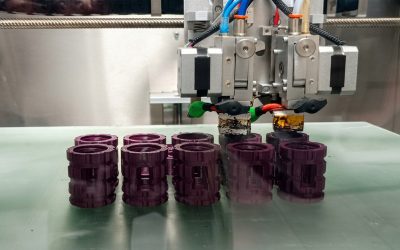
How to Reduce Additive Manufacturing Cost per Part in Small-Series Production
Small-series additive production depends on more than print speed. This guide explains how to evaluate flow rate, dual extrusion, post-processing and quality control using cost per accepted part. It also outlines how to compare polymer and metal workflows and build a realistic production case before scaling.
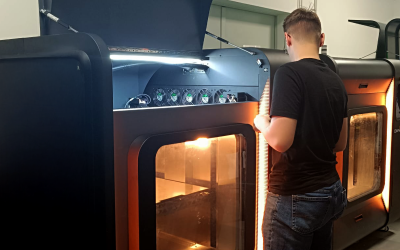
When Should You Bring Industrial 3D Printing In-House?
The decision to own an industrial 3D printer depends on the work it will receive and the team that will operate it. Compare service, in-house and hybrid routes using accepted-part costs, capacity, qualification and a transparent break-even model before committing to equipment.




