
LARGE-FORMAT 3D PRINTERS
Solutions for Industry
Omni3D OFFERS INDUSTRIAL 3D printers for every step on the application Ladder
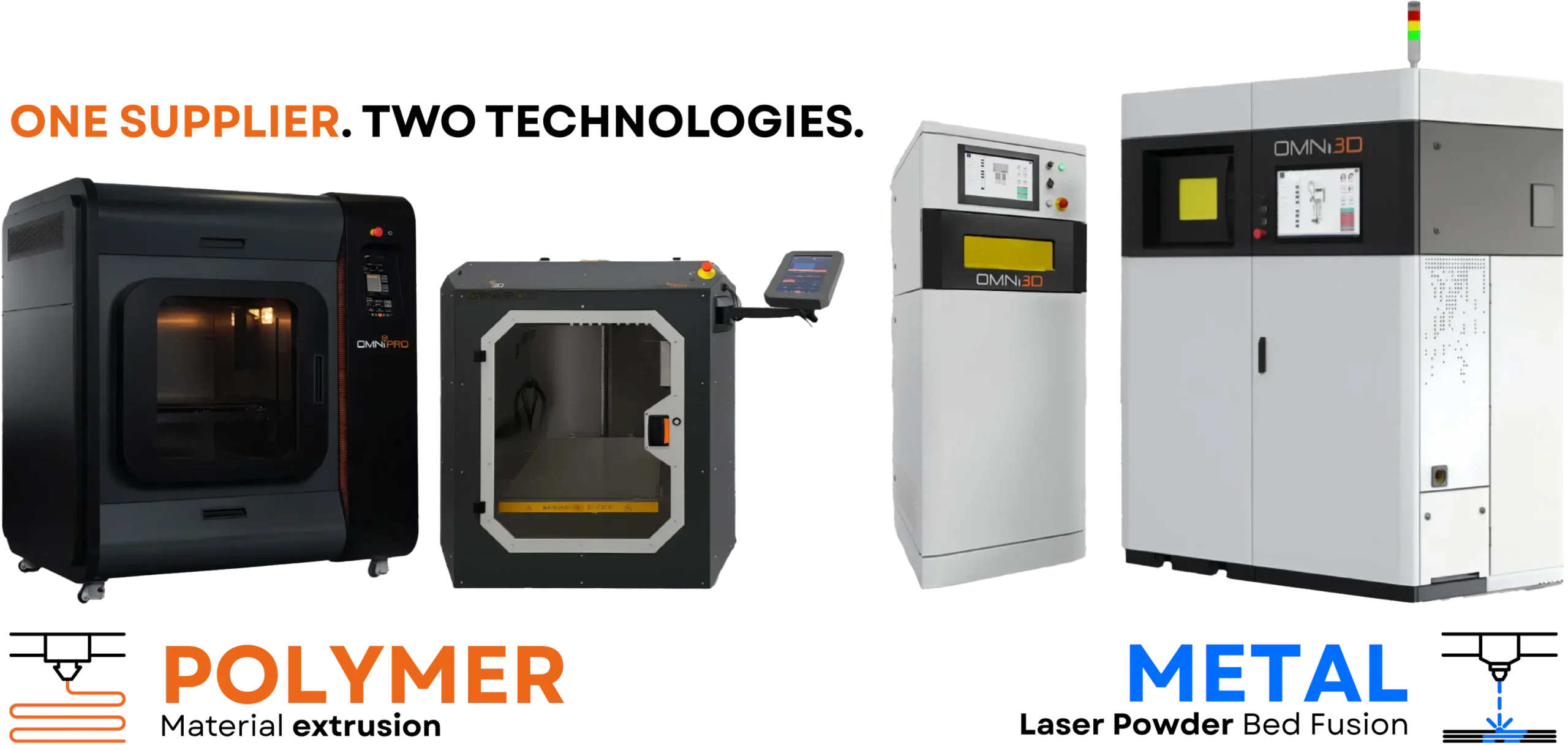
Industrial line
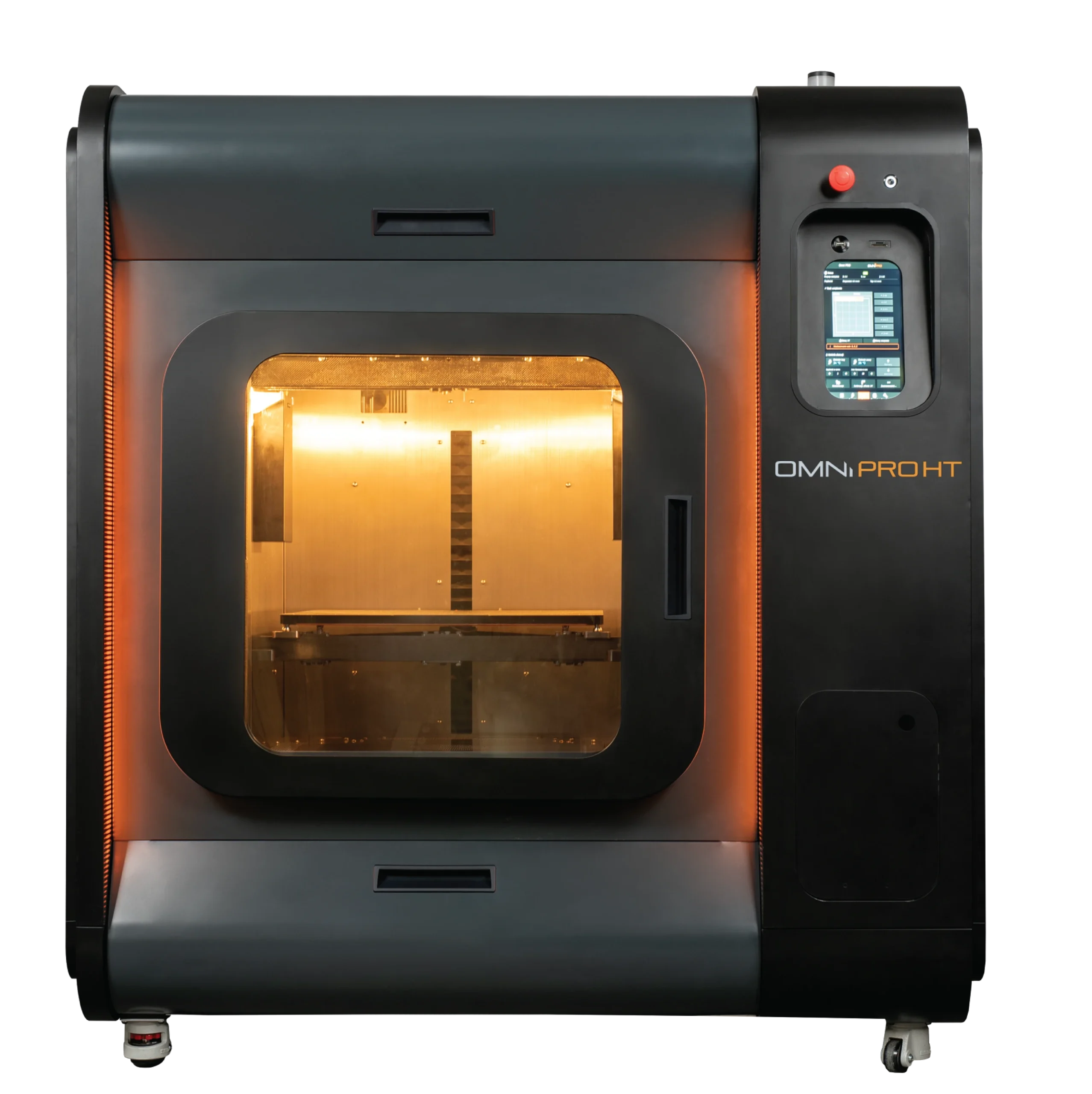
Omni PRO HT
| Build size | 530 x 530 x 515 mm |
| MAX. HEAD TEMPERATURE | 500°C |
| Max Chamber temperature | 220 °C (ACTIVELY HEATED) |
| BUILT-IN FILAMENT DRYER | YES |
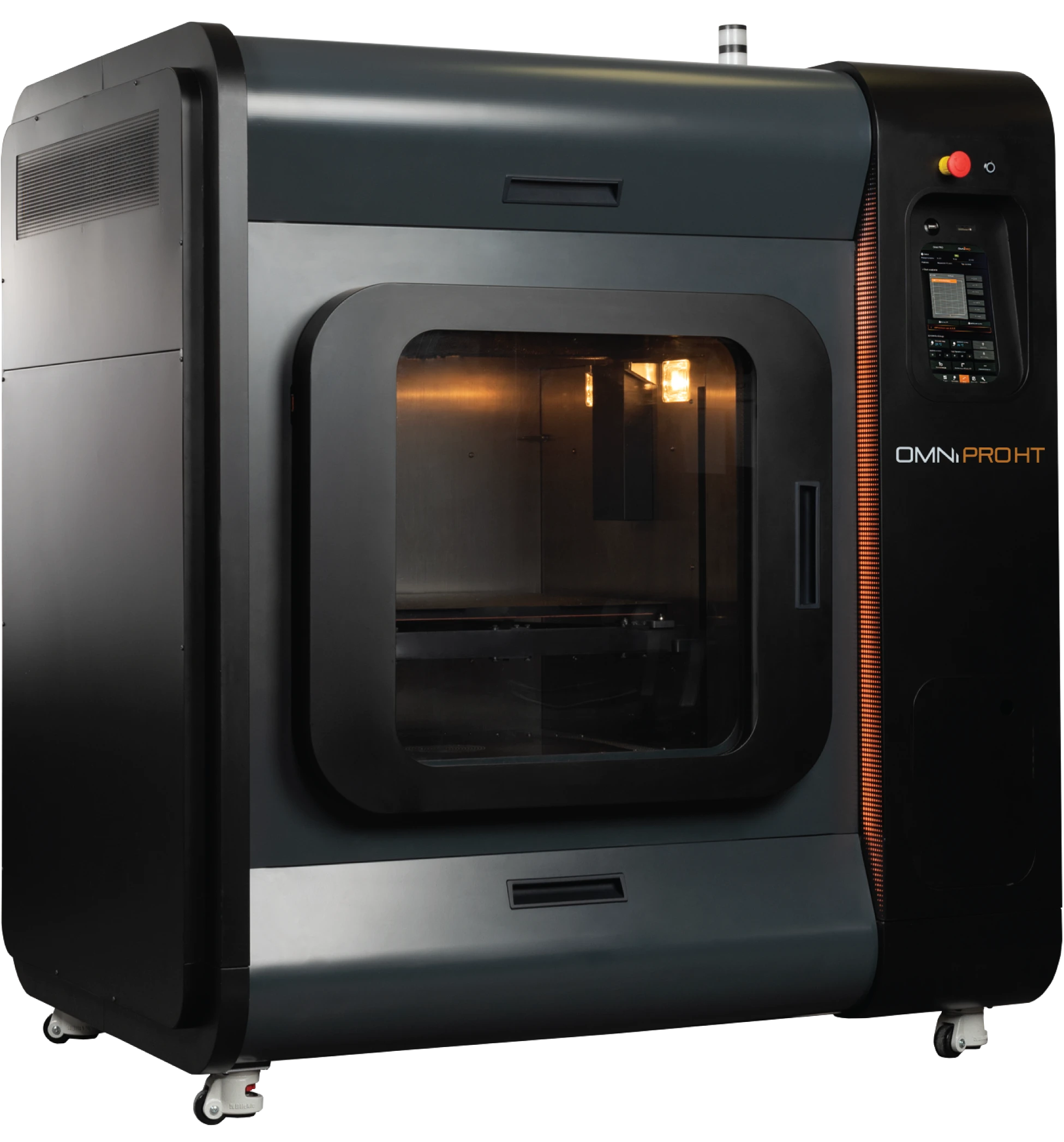
Omni PRO
| Build size | 530 x 530 x 515 mm |
| MAX. HEAD TEMPERATURE | 500°C |
| Max Chamber temperature | 140 °C (ACTIVELY HEATED) |
| BUILT-IN FILAMENT DRYER | YES |
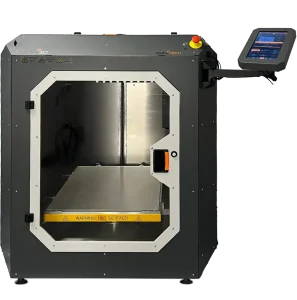
Omni TECH+
| Build size | 530 x 500 x 570 mm |
| MAX. HEAD TEMPERATURE | 420°C |
| Max Chamber temperature | 80 °C (ACTIVELY HEATED) |
| BUILT-IN FILAMENT DRYER | NO |
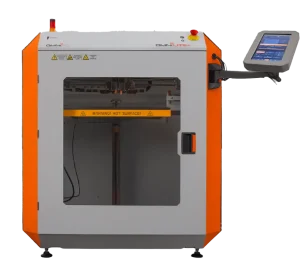
Omni LITE+
| Build size | 480 x 480 x 570 mm |
| MAX. HEAD TEMPERATURE | 420°C |
| Max Chamber temperature | 55 °C (PASSIVELY HEATED) |
| BUILT-IN FILAMENT DRYER | NO |
Desktop line
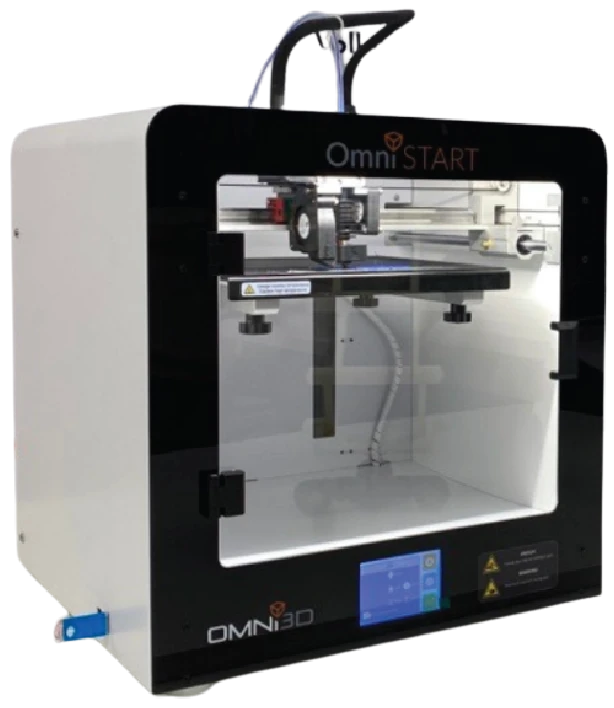
Omni START
| Build size | 200 × 200 × 150 mm |
| MAX. HEAD TEMPERATURE | 260°C |
| MAX. PLATFORM TEMPERATURE | 120 °C |
| HIGH TEMPERATURE HEAD | NO |
| INSULATING COVER | OPTIONAL |
| CONNECTION | USB |
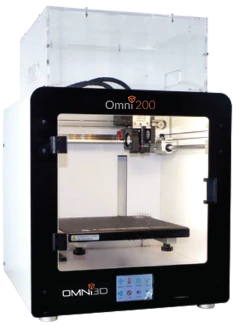
Omni 200
| Build size | 200 × 200 × 200 mm |
| MAX. HEAD TEMPERATURE | 260°C |
| MAX. PLATFORM TEMPERATURE | 120 °C |
| HIGH TEMPERATURE HEAD | OPTIONAL |
| INSULATING COVER | OPTIONAL |
| CONNECTION | USB/WIFI |
Omni 200CF
| Build size | 200 × 200 × 200 mm |
| MAX. HEAD TEMPERATURE | 400°C |
| MAX. PLATFORM TEMPERATURE | 120 °C |
| HIGH TEMPERATURE HEAD | YES |
| INSULATING COVER | YES |
| CONNECTION | USB/WIFI |
PBF LINE
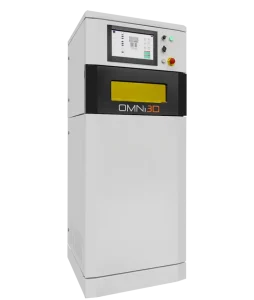
Omni PRO HT
| Build volume | 150 × 150 × 180 mm |
| Number of lasers | 1 |
| Laser power | 200 W |
| Layer thickness | 20–100 μm |
| Laser focused spot size | 45 µm |
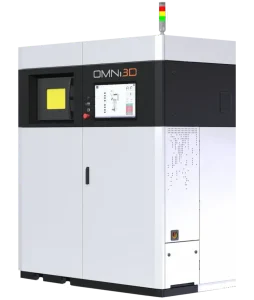
Omni PRO
| Build volume | 280 × 280 × 500 mm |
| Number of lasers | 1-4 |
| Laser power | 500 W each |
| Layer thickness | 20–200 μm |
| Laser focused spot size | 65 –600 μm |
Industrial 3D printing solutions trusted by











Latest blog posts
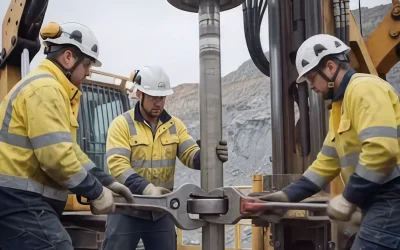
3D Printing a Downhole Thermal Barrier: Avalon Sciences and Omni3D
Avalon Sciences approached Omni3D while developing a thermal barrier for downhole tools. The project brought together a demanding service requirement, a PEEK processing challenge and a documented PEKK-A proposal. This application-development case explains the two material routes and the engineering questions that connect a print to its intended service.
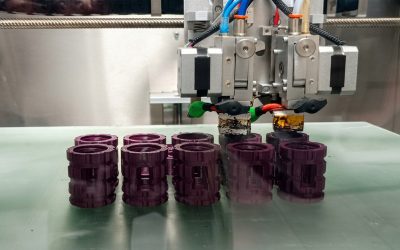
How to Reduce Additive Manufacturing Cost per Part in Small-Series Production
Small-series additive production depends on more than print speed. This guide explains how to evaluate flow rate, dual extrusion, post-processing and quality control using cost per accepted part. It also outlines how to compare polymer and metal workflows and build a realistic production case before scaling.
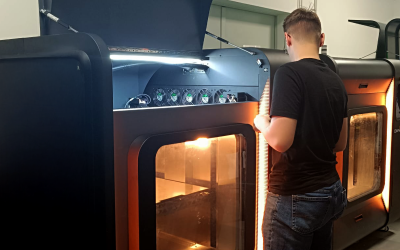
When Should You Bring Industrial 3D Printing In-House?
The decision to own an industrial 3D printer depends on the work it will receive and the team that will operate it. Compare service, in-house and hybrid routes using accepted-part costs, capacity, qualification and a transparent break-even model before committing to equipment.




