
ADDITIVE MANUFACTURING FOR RAILWAY INDUSTRY

Minimize Downtime & Ensure Safety: Omni3D’s Large-Format, EN 45545 Certified Solutions for Durable Railway Spare Parts, Interior Components, and Customized Elements with Compliant Materials.
Optimize Transport Operations with Durable 3D Printed Solutions
Omni3D empowers manufacturers to optimize production processes, reduce costs, and accelerate innovation. Our large-format, open material systems enable the production of custom tooling, jigs, fixtures, and end-use parts with exceptional strength and durability, driving efficiency and competitiveness.
Partner to leading companies

Volkswagen is a German automotive giant and one of the world’s largest car manufacturers. Known for models like the Golf, Passat, and Tiguan, it emphasizes innovation, sustainability, and electric mobility while maintaining its reputation for quality and reliability.

Pesa is a leading Polish manufacturer of railway vehicles, specializing in the design and production of modern trains and trams. Recognized for its innovation and engineering excellence, the company focuses on delivering energy-efficient and high-performance rolling stock for both domestic and international markets.


PKP Intercity is Poland’s state-owned long-distance railway operator, offering high-speed, intercity, and international passenger train services. Committed to comfort, reliability, and modernization, the company continuously invests in fleet upgrades and service improvements to enhance travel experiences across Poland and Europe.
application cases
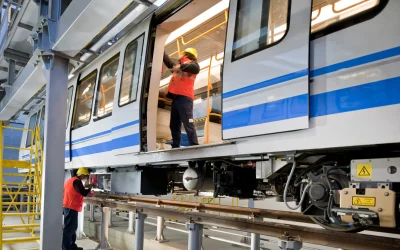
EN 45545-2 HL2: Materials and Process Validation for Railway AM
Railway additive manufacturing requires evidence that matches the material, printing process and finished component. This guide examines Omni3D’s documented PC HL2 FR configuration, distinguishes material data from printed-system testing, and explains how chamber capability and surface finishing fit into a practical MRO qualification plan.

Is 3D Printing Ready for Railway Signalling? Understanding EN 45545-2 HL3
Can 3D...

How to Achieve EN 45545-2 HL3 Compliance in Railway 3D Printing
Achieving EN 45545-2 HL3 compliance in railway additive manufacturing requires more than selecting a flame-retardant filament. This article explains how certified materials, controlled industrial printing, 100% infill, compliant adhesives, and approved surface finishes work together to produce safe railway components.
3d printers for RAILWAYS

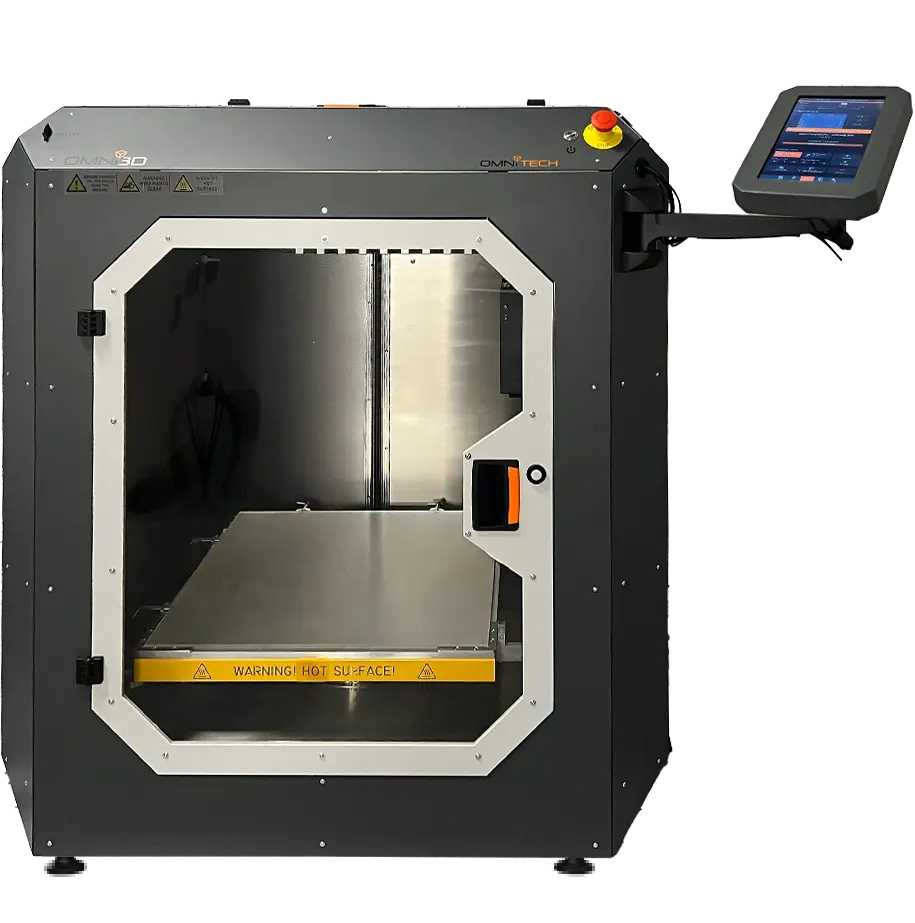
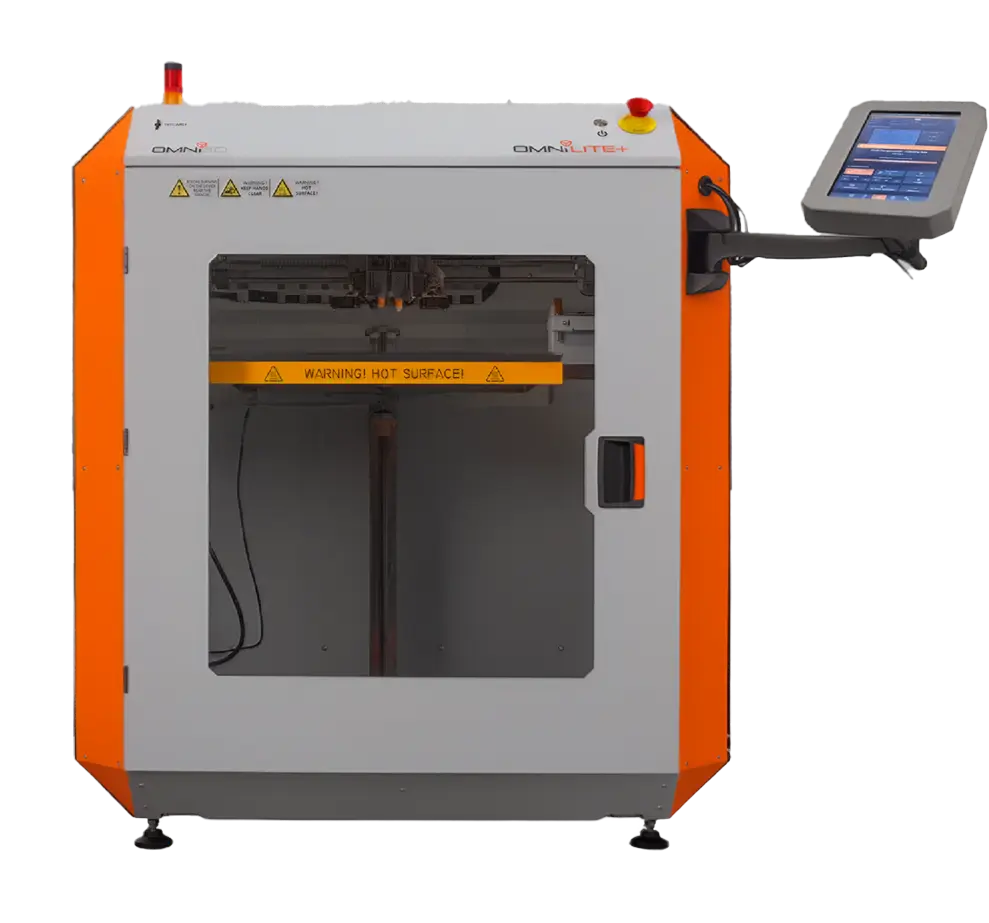
Materials
At Omni3D, we believe in the power of choice. Our open material systems allow you to explore a vast array of materials, tailored to your specific needs. From engineering-grade thermoplastics to specialty filaments, our printers are designed to handle it all.
Omni compatible materials include:
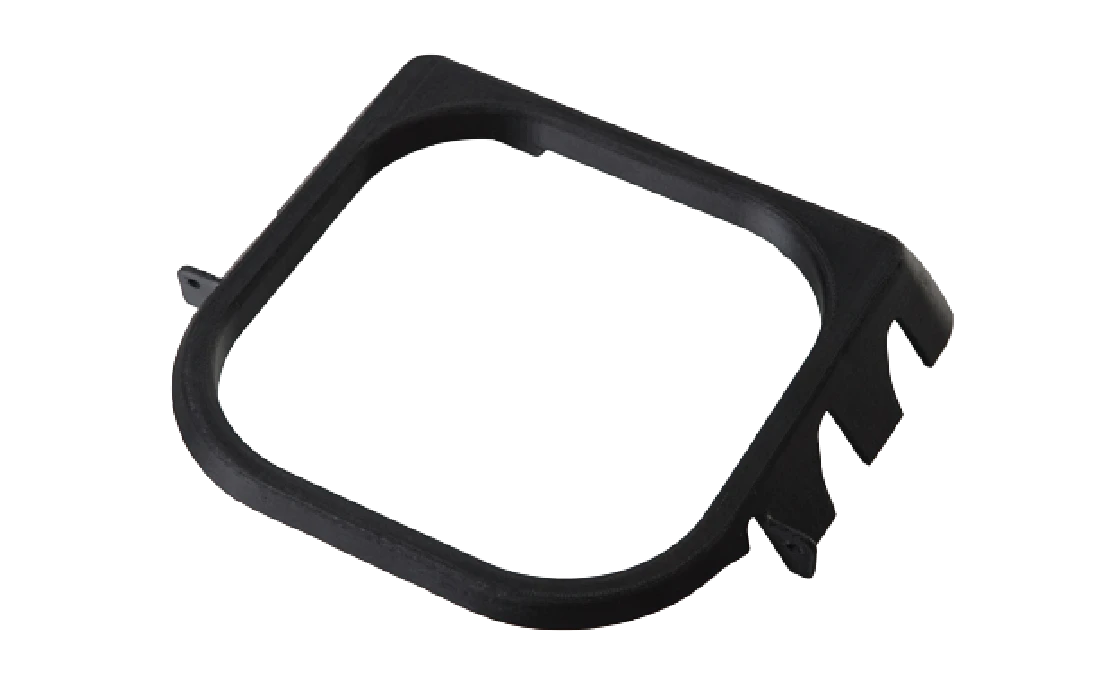
ABS

ABS EN45545

PEI
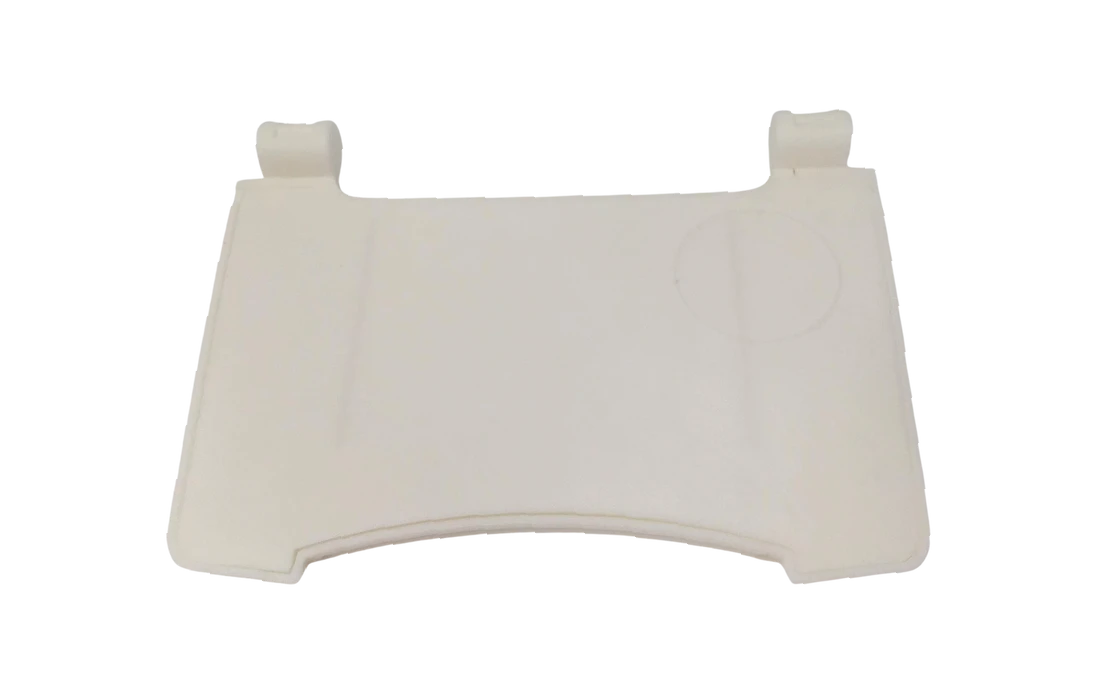
PC FR LS

PC EN45545
Industrial 3D printing solutions trusted by











Latest blog posts
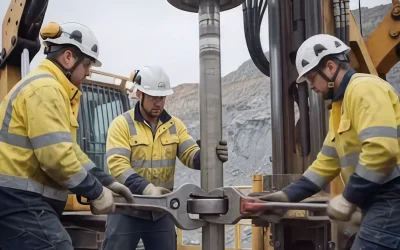
3D Printing a Downhole Thermal Barrier: Avalon Sciences and Omni3D
Avalon Sciences approached Omni3D while developing a thermal barrier for downhole tools. The project brought together a demanding service requirement, a PEEK processing challenge and a documented PEKK-A proposal. This application-development case explains the two material routes and the engineering questions that connect a print to its intended service.
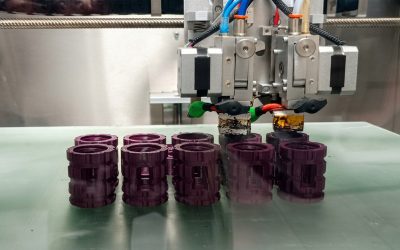
How to Reduce Additive Manufacturing Cost per Part in Small-Series Production
Small-series additive production depends on more than print speed. This guide explains how to evaluate flow rate, dual extrusion, post-processing and quality control using cost per accepted part. It also outlines how to compare polymer and metal workflows and build a realistic production case before scaling.
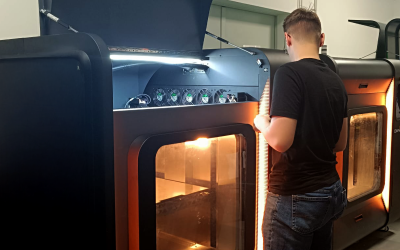
When Should You Bring Industrial 3D Printing In-House?
The decision to own an industrial 3D printer depends on the work it will receive and the team that will operate it. Compare service, in-house and hybrid routes using accepted-part costs, capacity, qualification and a transparent break-even model before committing to equipment.




