
LARGE-FORMAT 3D PRINTERS
Solutions for Industry
Omni3D OFFERS INDUSTRIAL 3D printers for every step on the application Ladder
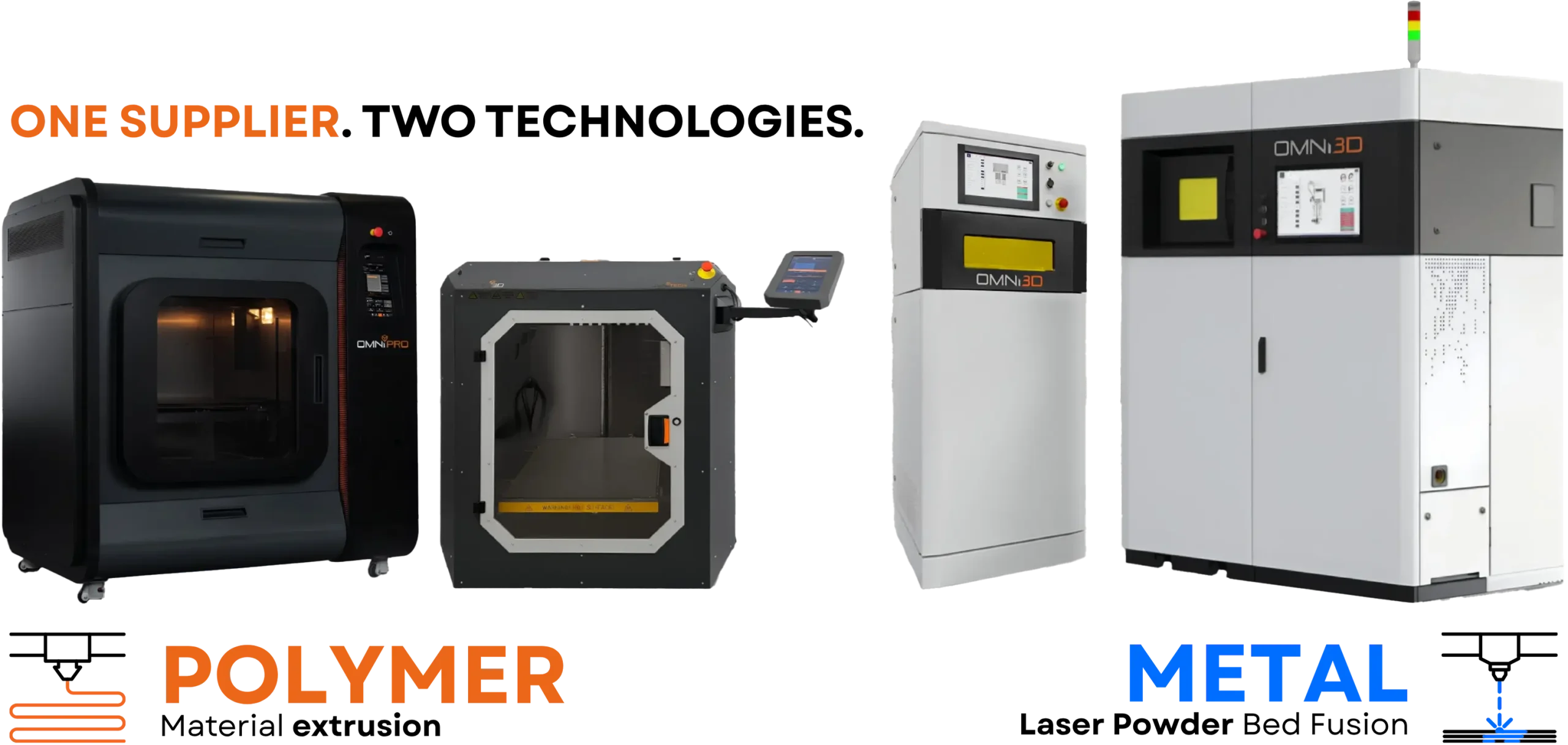
Industrial line
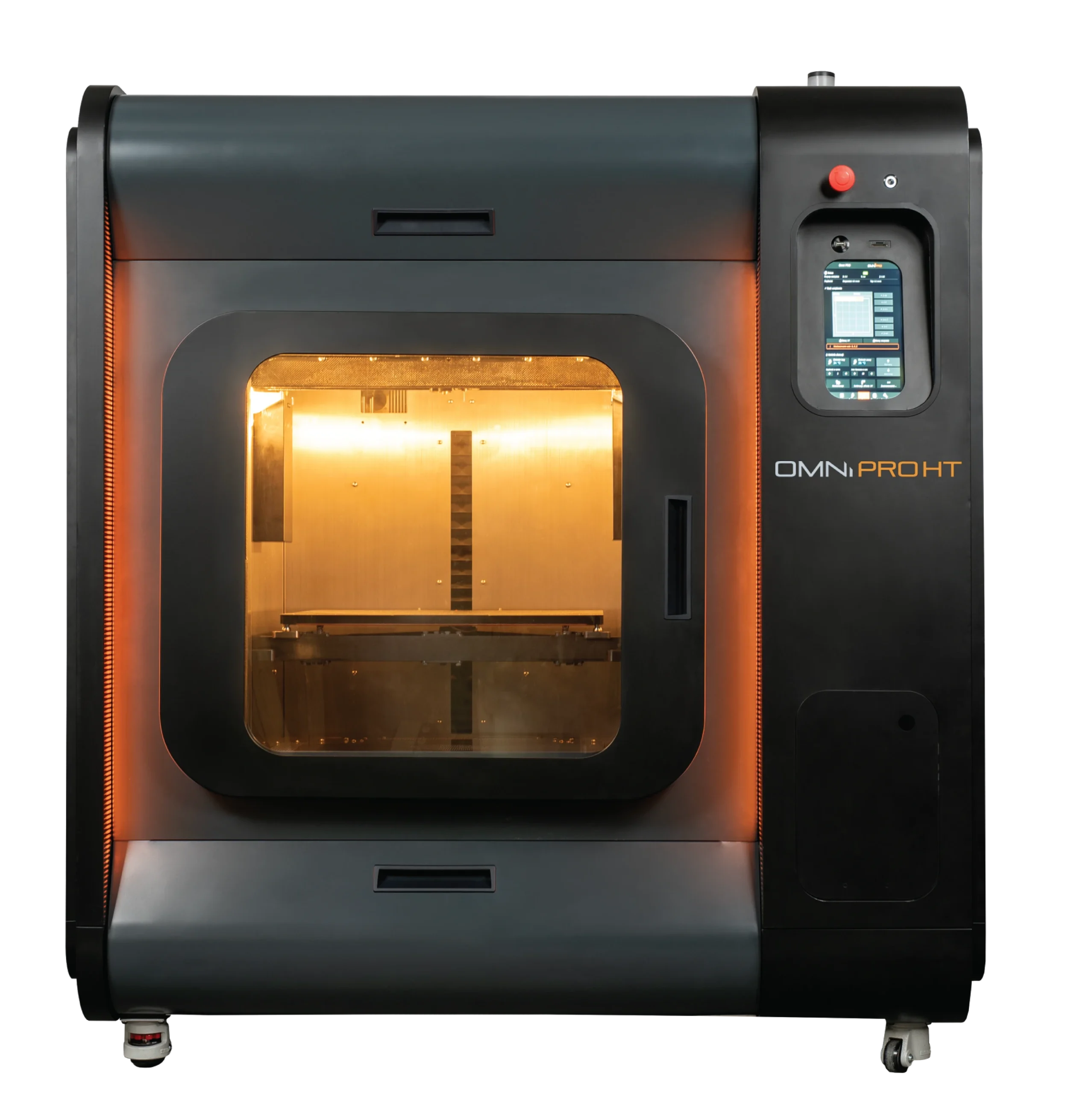
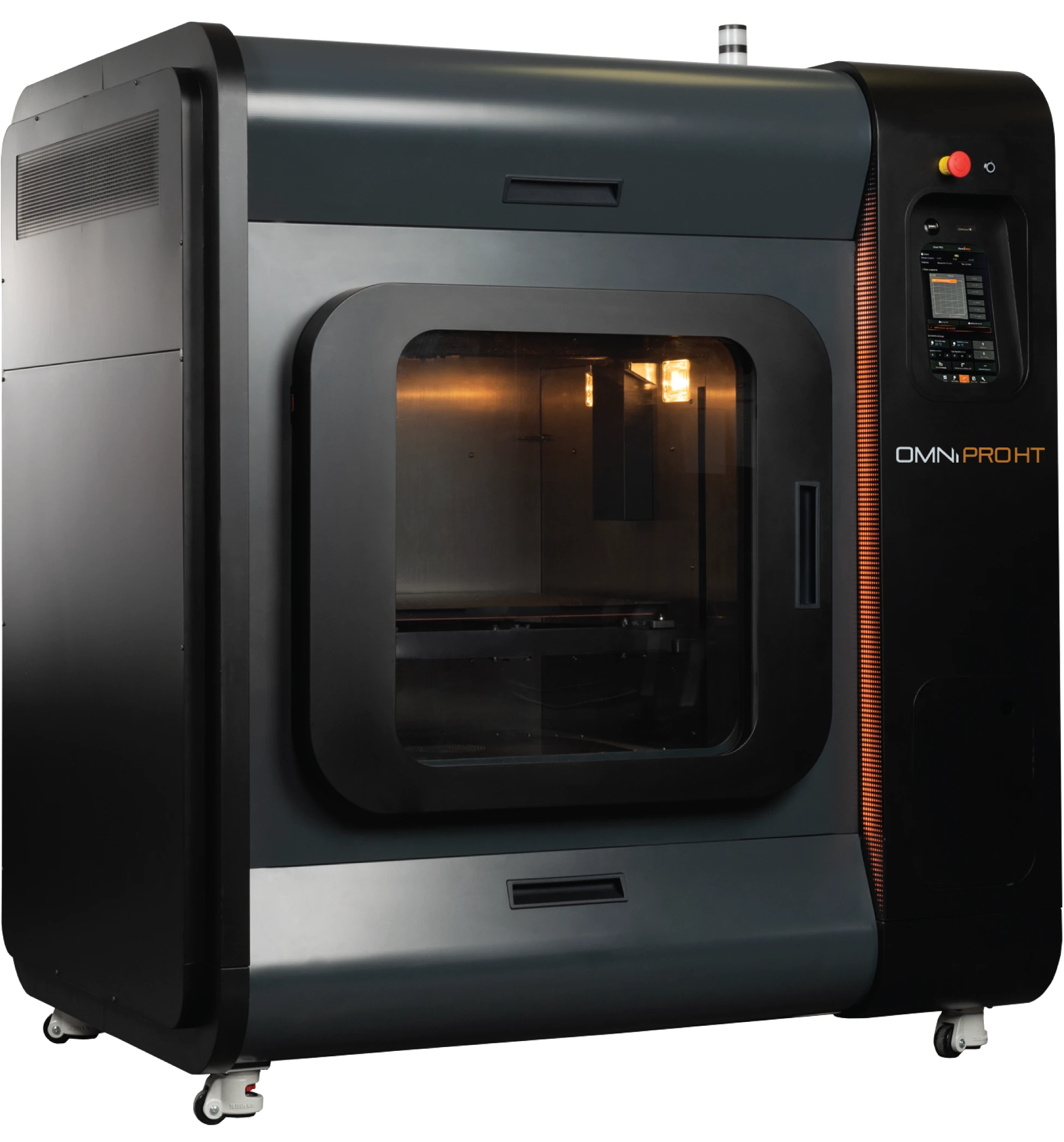
Omni PRO HT
| Build size | 530 x 530 x 515 mm |
| MAX. HEAD TEMPERATURE | 500°C |
| Max Chamber temperature | 220 °C (ACTIVELY HEATED) |
| BUILT-IN FILAMENT DRYER | YES |
Omni PRO
| Build size | 530 x 530 x 515 mm |
| MAX. HEAD TEMPERATURE | 500°C |
| Max Chamber temperature | 140 °C (ACTIVELY HEATED) |
| BUILT-IN FILAMENT DRYER | YES |
Omni TECH+
| Build size | 530 x 500 x 570 mm |
| MAX. HEAD TEMPERATURE | 420°C |
| Max Chamber temperature | 80 °C (ACTIVELY HEATED) |
| BUILT-IN FILAMENT DRYER | NO |
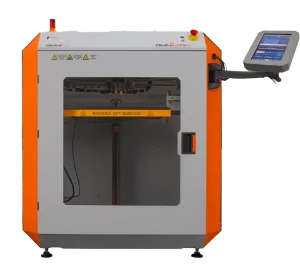
Omni LITE+
| Build size | 480 x 480 x 570 mm |
| MAX. HEAD TEMPERATURE | 420°C |
| Max Chamber temperature | 55 °C (PASSIVELY HEATED) |
| BUILT-IN FILAMENT DRYER | NO |
Desktop line
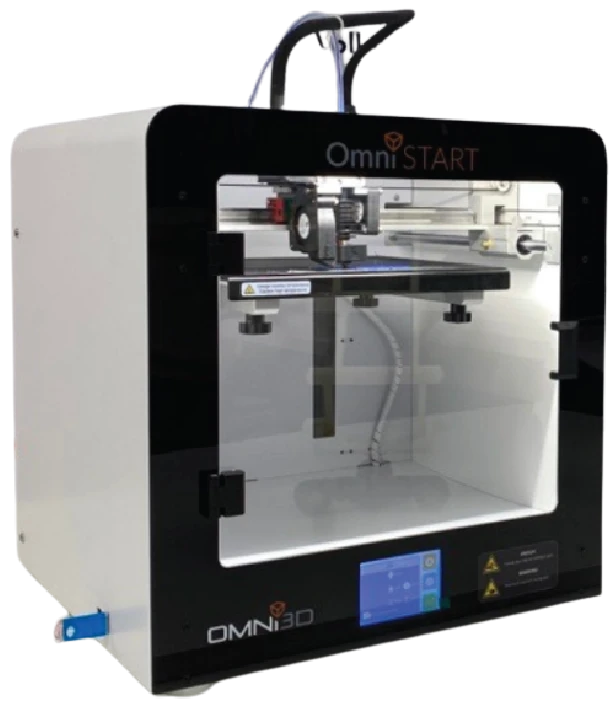
Omni START
| Build size | 200 × 200 × 150 mm |
| MAX. HEAD TEMPERATURE | 260°C |
| MAX. PLATFORM TEMPERATURE | 120 °C |
| HIGH TEMPERATURE HEAD | NO |
| INSULATING COVER | OPTIONAL |
| CONNECTION | USB |
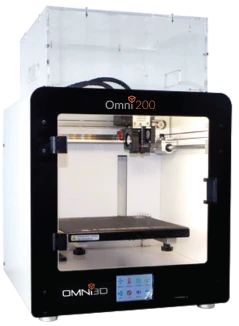
Omni 200
| Build size | 200 × 200 × 200 mm |
| MAX. HEAD TEMPERATURE | 260°C |
| MAX. PLATFORM TEMPERATURE | 120 °C |
| HIGH TEMPERATURE HEAD | OPTIONAL |
| INSULATING COVER | OPTIONAL |
| CONNECTION | USB/WIFI |
Omni 200CF
| Build size | 200 × 200 × 200 mm |
| MAX. HEAD TEMPERATURE | 400°C |
| MAX. PLATFORM TEMPERATURE | 120 °C |
| HIGH TEMPERATURE HEAD | YES |
| INSULATING COVER | YES |
| CONNECTION | USB/WIFI |
PBF LINE
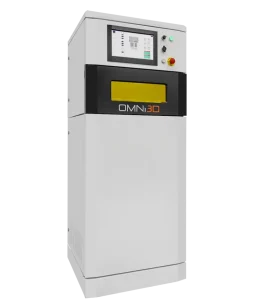
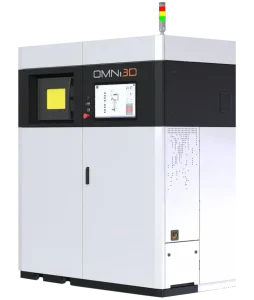
Omni PRO HT
| Build volume | 150 × 150 × 180 mm |
| Number of lasers | 1 |
| Laser power | 200 W |
| Layer thickness | 20–100 μm |
| Laser focused spot size | 45 µm |
Omni PRO
| Build volume | 280 × 280 × 500 mm |
| Number of lasers | 1-4 |
| Laser power | 500 W each |
| Layer thickness | 20–200 μm |
| Laser focused spot size | 65 –600 μm |
Industrial 3D printing solutions trusted by











Latest blog posts
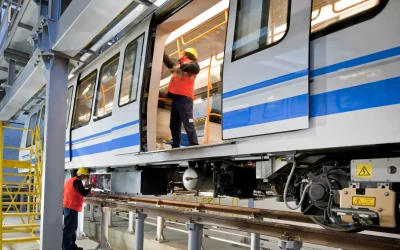
EN 45545-2 HL2: Materials and Process Validation for Railway AM
Railway additive manufacturing requires evidence that matches the material, printing process and finished component. This guide examines Omni3D’s documented PC HL2 FR configuration, distinguishes material data from printed-system testing, and explains how chamber capability and surface finishing fit into a practical MRO qualification plan.

Industrial Automotive 3D Printing from Engineering to Production
Full-scale prototypes help automotive teams evaluate fit before investing in tooling. This overview examines an electric tuk-tuk fender, a flexible Vicim mud flap and selected Arrinera components, showing how Omni3D printing supports design validation and the assessment of low-volume production applications.

Omni3D Opens U.S. Office, Signs Building Momentum for Defense Vertical, and Announces IMTS Showcase of PRO and TECH+ Systems
ALEXANDRIA...







