fdm 3d printing materials and filaments

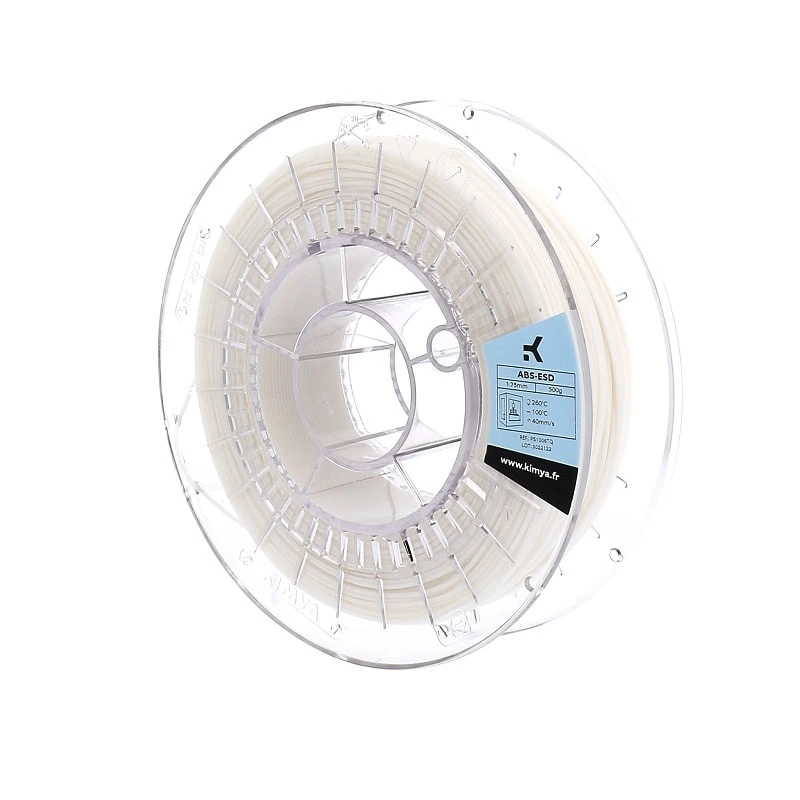
KIMYA ABS ESD

Belongs to styrene copolymers.

It is designed for printing electronic components exposed to damage from electrostatic discharge. High electrical charge dissipation properties ensure the safety of integrated circuits and other electronic components and minimize the risk of damage to them. Hence, it is ideal for printing all kinds of housings, containers, feeders that come into contact with electronic devices that are just sensitive to electrostatic discharge. It is easy to print, lightweight and rigid. Thanks to its impact resistance, it guarantees durability and strength, as well as resistance to high temperatures.

To preserve the properties of the product, store it away from light, moisture and high temperatures. It complies with the REACH regulation and the RoHS directive.


Applications:

Available colors:

Technical specifications:

Print Temperature: 250-270 °C
Printing speed: 30-50 mm/s

Industrial 3D printing solutions trusted by

Latest blog posts

Omni3D Acquires Apium 3D to Expand High-Performance Polymer 3D Printing

Omni3D Acquires Apium 3D to Expand High-Performance Polymer 3D Printing

Omni3D has acquired Apium 3D Technologies, combining large-format industrial platforms with specialist expertise in high-temperature polymer processing. The acquisition expands the company’s offering for aerospace, defense and manufacturing, with joint development focused on advanced materials, customer support and next-generation industrial systems.

read more
Industrial 3D Printing Services for Railway, Defense and OEMs

Industrial 3D Printing Services for Railway, Defense and OEMs

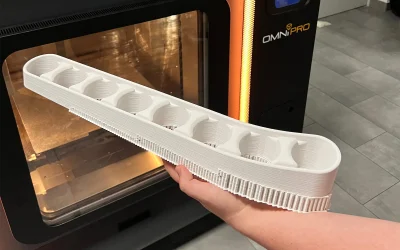
Omni3D helps railway operators, defense contractors and industrial OEMs bring functional parts, custom tooling and replacement components into production. Explore how engineering support, certified materials and processes, and on-demand manufacturing can address supply challenges and support flexible low-volume industrial production.

read more
3D Printing a Downhole Thermal Barrier: Avalon Sciences and Omni3D

3D Printing a Downhole Thermal Barrier: Avalon Sciences and Omni3D

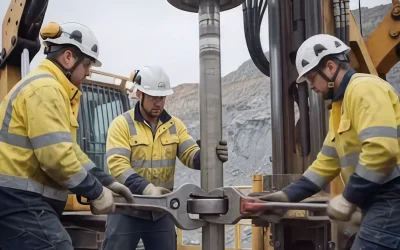
Avalon Sciences approached Omni3D while developing a thermal barrier for downhole tools. The project brought together a demanding service requirement, a PEEK processing challenge and a documented PEKK-A proposal. This application-development case explains the two material routes and the engineering questions that connect a print to its intended service.

read more

You'll receive the link of the file in your email

You'll receive the link of the file in your email

You'll receive the link of the file in your email

You'll receive the link of the file in your email

You'll receive the link of the file in your email

You'll receive the link of the file in your email

You'll receive the link of the file in your email

You'll receive the link of the file in your email