fdm 3d printing materials and filaments

KIMYA PETG Carbon

PETG material reinforced with carbon fibers.

This combines the high temperature resistance of PETG with the strength that comes from the addition of carbon fibers. It also has very high bending resistance. Due to its stiffness, it is used for specific mechanical parts, especially in the automotive industry . Due to the addition of carbon fiber, with abrasive properties, a nozzle made of high hardness material such as hardened steel is required for printing PETG CARBON.

To preserve the properties of the product, keep it away from light, moisture and high temperature Compliant with REACH and RoHS directive.

Applications:

Available colors:

Technical specifications:

Print Temperature: 220-260 °C
Printing speed: 40-70 mm/s

Industrial 3D printing solutions trusted by

Latest blog posts

Omni3D Acquires Apium 3D to Expand High-Performance Polymer 3D Printing

Omni3D Acquires Apium 3D to Expand High-Performance Polymer 3D Printing

Omni3D has acquired Apium 3D Technologies, combining large-format industrial platforms with specialist expertise in high-temperature polymer processing. The acquisition expands the company’s offering for aerospace, defense and manufacturing, with joint development focused on advanced materials, customer support and next-generation industrial systems.

read more
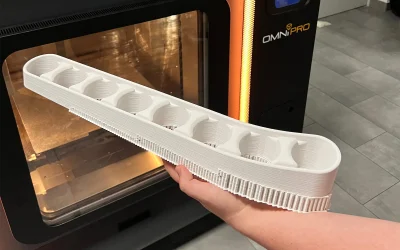
Industrial 3D Printing Services for Railway, Defense and OEMs

Industrial 3D Printing Services for Railway, Defense and OEMs

Omni3D helps railway operators, defense contractors and industrial OEMs bring functional parts, custom tooling and replacement components into production. Explore how engineering support, certified materials and processes, and on-demand manufacturing can address supply challenges and support flexible low-volume industrial production.

read more
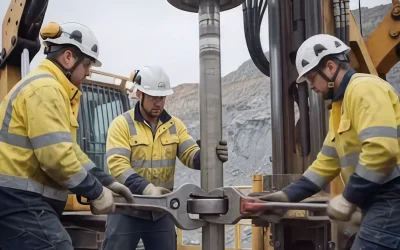
3D Printing a Downhole Thermal Barrier: Avalon Sciences and Omni3D

3D Printing a Downhole Thermal Barrier: Avalon Sciences and Omni3D

Avalon Sciences approached Omni3D while developing a thermal barrier for downhole tools. The project brought together a demanding service requirement, a PEEK processing challenge and a documented PEKK-A proposal. This application-development case explains the two material routes and the engineering questions that connect a print to its intended service.

read more

You'll receive the link of the file in your email

You'll receive the link of the file in your email

You'll receive the link of the file in your email

You'll receive the link of the file in your email

You'll receive the link of the file in your email

You'll receive the link of the file in your email

You'll receive the link of the file in your email

You'll receive the link of the file in your email