
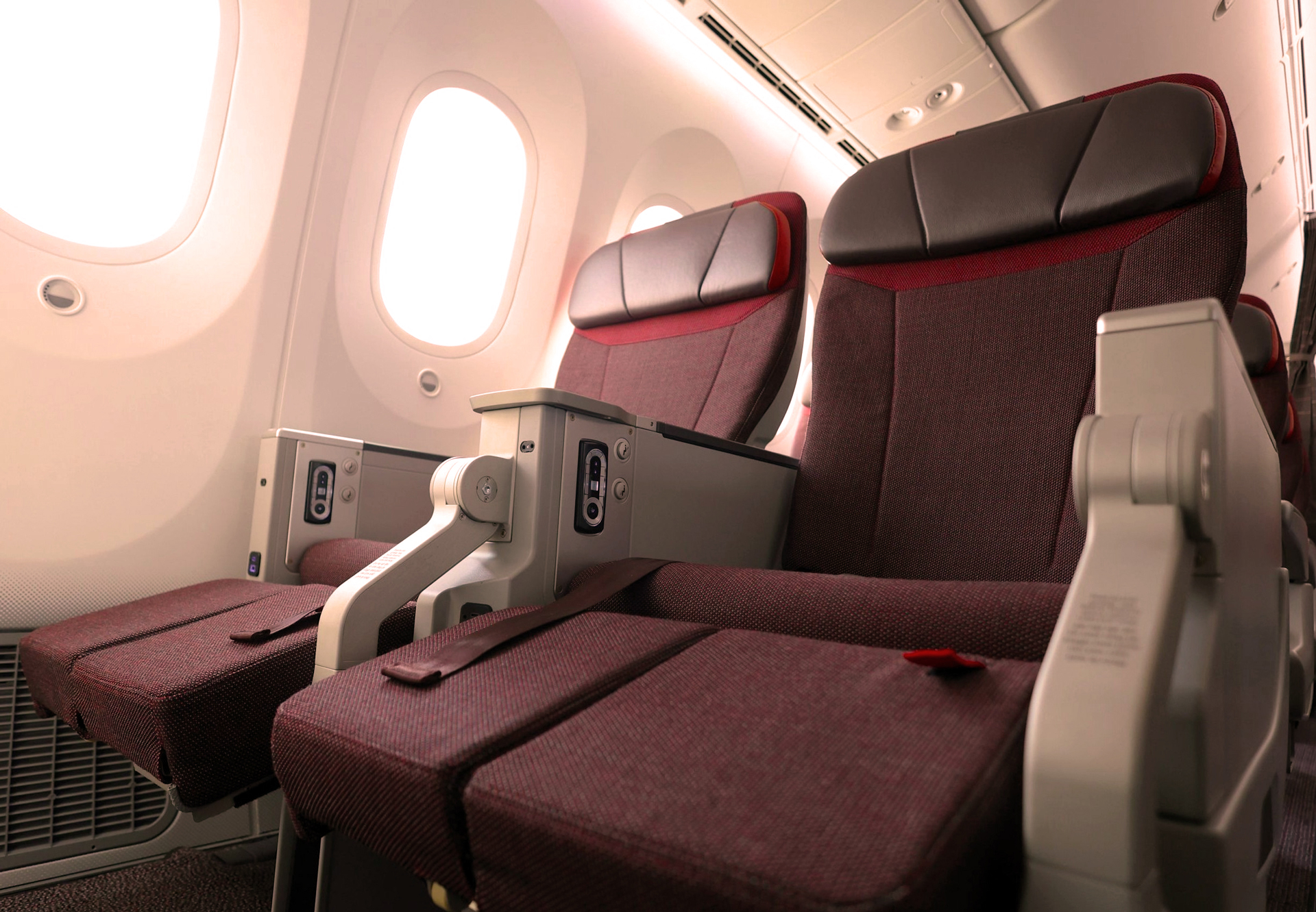
Case study: On-demand tooling to keep production moving
3D printed cable pulling tool is a good example of how industrial 3D printing supports production teams beyond prototyping. When a key tool is unavailable and lead times threaten continuity, additive manufacturing can switch the workflow from “wait for delivery” to “manufacture when needed”.
The challenge: a missing tool and a long import lead time
At RECARO Aircraft Seating in Świebodzin, there was an urgent need for a specialized tool used to pull cables through textile sleeves found in aircraft interior components.
The main issues were straightforward:
- The tool was not available locally.
- Importing it from the USA meant a long waiting time.
- The team needed a functional tool fast, with the ability to test and refine it without causing production delays.
- This was not a new product prototype. It was an auxiliary tool required for ongoing production.
The solution: fast on-site tool manufacturing with Omni TECH
The team used an Omni TECH 3D printer to create the tool internally and validate it in real production conditions.
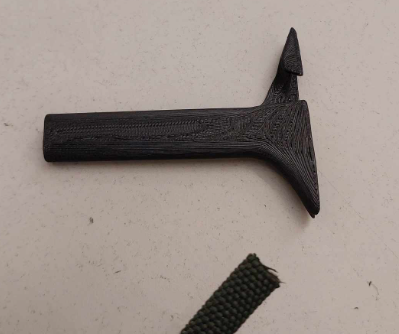
Process overview
- A 3D model of the tool was prepared and converted into a print-ready file.
- Test prints were produced in two materials: ABS and TPU.
- The tool was tested in the production environment, focusing on:
- sliding properties
- stiffness
- mechanical resistance
Material test results: ABS vs TPU
The tests quickly clarified which material was appropriate for this specific job.
| Material | Result | Notes |
|---|---|---|
| ABS | Adequate stiffness, functional | Sliding properties could be slightly improved |
| TPU | Too flexible | High friction, low cable-pulling efficiency |
Conclusion: ABS met the requirements and was sufficient as an auxiliary tool material.
Implementation outcomes
3D printing enabled RECARO Aircraft Seating to:
- reduce tool preparation time
- avoid operational downtime
- eliminate costs and delays associated with import
- test different material variants without additional costs (for example, without injection molds)
In practical terms, this shifted the process from “waiting for delivery” to “manufacture when needed”.
Key takeaways for production and maintenance teams
- Auxiliary tools can be ideal candidates for on-demand 3D printing, especially when availability and lead time are the real constraint.
- Material testing is essential. A tool that looks correct can still fail in practice due to friction, flexibility, or durability.
- Printing alternative material variants can be faster and cheaper than traditional tooling routes, while still enabling real production validation.
Customer feedback
The RECARO team described the solution as:
“An effective, fast, and practical solution to the problem.”

FAQ
What was the tool used for?
Pulling cables through textile sleeves used in aircraft interior components.
Why did RECARO use 3D printing instead of ordering the tool?
The tool was not available locally, and importing it from the USA involved a long waiting time. 3D printing enabled immediate production and testing on-site.
Which material worked best?
ABS was functional and had adequate stiffness. TPU was too flexible and generated high friction, reducing cable-pulling efficiency.
What were the main benefits of printing the tool in-house?
Shorter preparation time, avoided downtime, and elimination of import costs and delays. It also enabled testing different materials without additional tooling costs.
Was this prototyping a new product?
No. It was an auxiliary tool used to support ongoing production.







