The decision to own an industrial 3D printer depends on the work it will receive and the team that will operate it. Compare service, in-house and hybrid routes using accepted-part costs, capacity, qualification and a transparent break-even model before committing to equipment.
At MSV 2026 in Brno, Omni3D is connecting industrial 3D printing with the needs of factory-floor tooling and low-volume production. Visit Hall A1, Booth 011 to discuss polymer and metal process selection, thermal control, finishing requirements and the business case for a defined application.
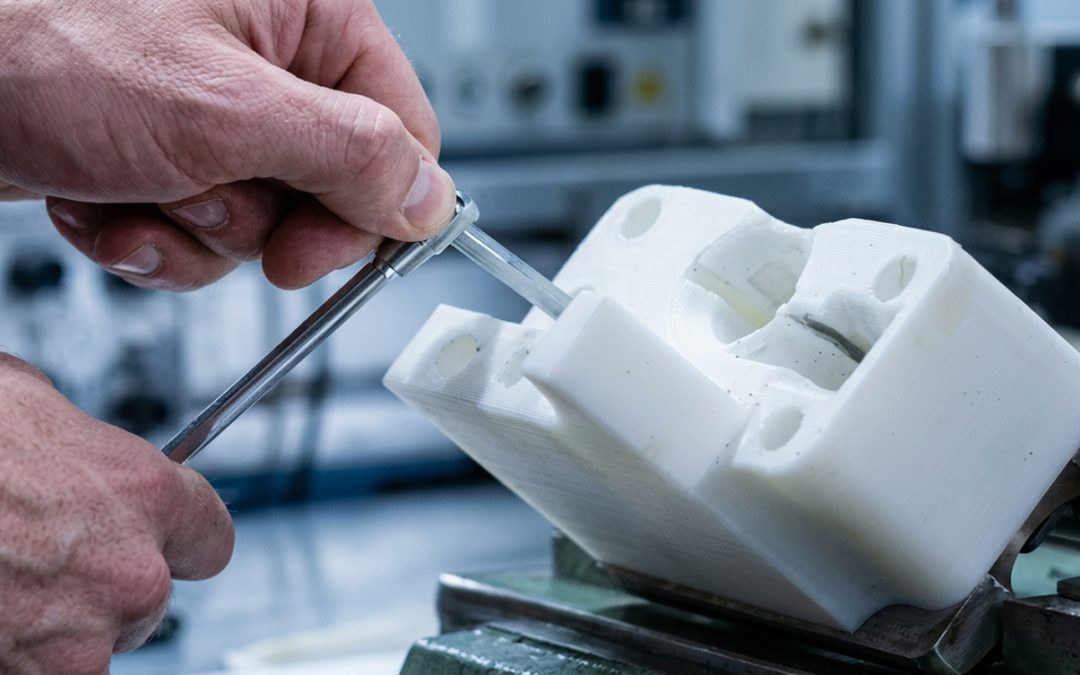
Industrial tooling needs more than a strong filament. This guide explains how to evaluate loads, material grades, printing conditions, wear interfaces and ESD requirements before releasing a printed jig or fixture. It also shows where Omni3D systems and application services fit into a controlled tooling workflow.
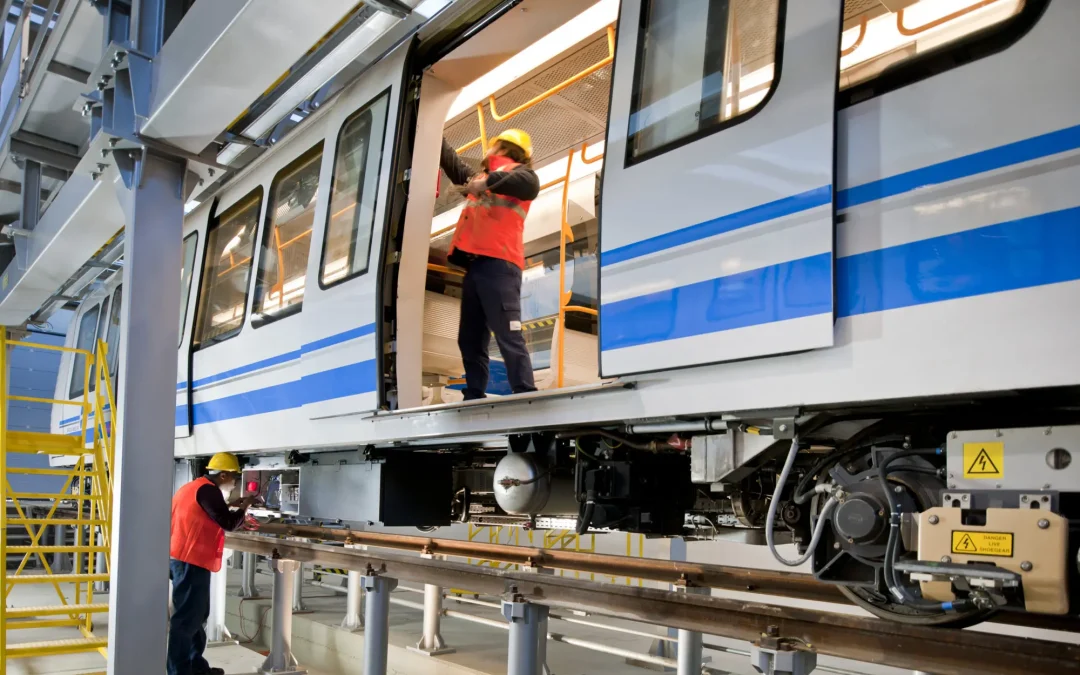
Railway additive manufacturing requires evidence that matches the material, printing process and finished component. This guide examines Omni3D’s documented PC HL2 FR configuration, distinguishes material data from printed-system testing, and explains how chamber capability and surface finishing fit into a practical MRO qualification plan.
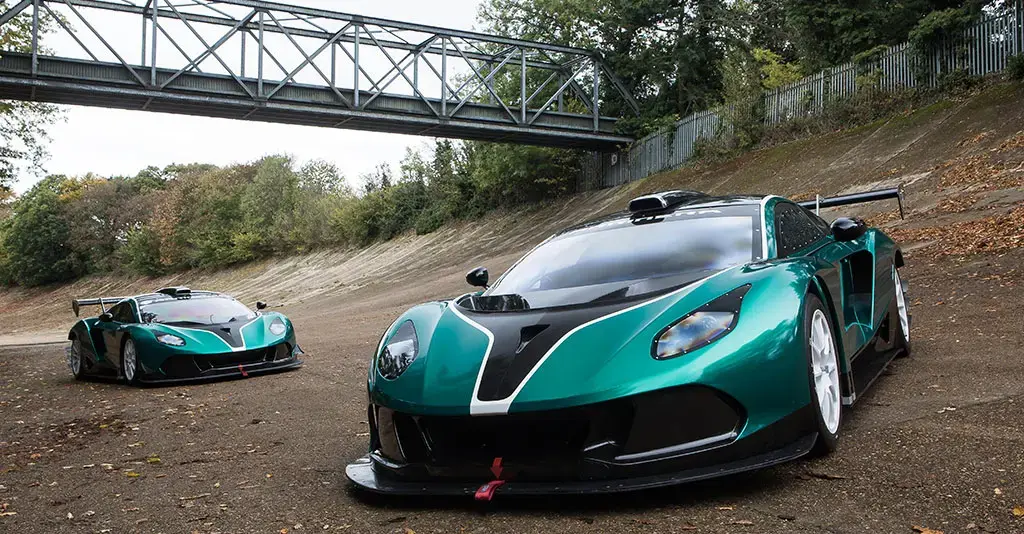
Full-scale prototypes help automotive teams evaluate fit before investing in tooling. This overview examines an electric tuk-tuk fender, a flexible Vicim mud flap and selected Arrinera components, showing how Omni3D printing supports design validation and the assessment of low-volume production applications.
Can 3D Printing Produce Qualified Railway Signalling Components? Yes. Industrial 3D printing can support the production of railway signalling and rolling-stock components when the material, manufacturing process, part geometry and post-processing steps are properly...