
ADDITIVE MANUFACTURING FOR MAINTENANCE, REPAIR, AND OVERHAUL (MRO) INDUSTRY
Rapid & Cost-Effective Replacement Parts & Tooling: Omni3D’s Large-Format Industrial Printers Enable On-Site Production of Durable Components, Significantly Reducing Equipment Downtime and Inventory Costs.
Minimize Downtime with On-Demand MRO Solutions
Omni3D’s industrial 3D printers provide rapid, cost-effective solutions for producing replacement parts, tooling, and fixtures for MRO applications. Reduce inventory costs and eliminate long lead times with our robust, reliable systems, ensuring your operations stay running smoothly.
Partner to leading companies

Samsung is a South Korean multinational conglomerate known for its cutting-edge technology and innovation. It is a global leader in electronics, producing smartphones, TVs, semiconductors, and home appliances, while also investing in AI, 5G, and renewable energy solutions.

FlexLink is a Swedish company specializing in automated production flow solutions. It provides smart conveyor systems and industrial automation for various industries, including food, pharmaceuticals, and automotive, enhancing efficiency and flexibility in manufacturing.

John Cockerill is a Belgian industrial group with a strong legacy in mechanical engineering. It operates in energy, defense, and industry, offering solutions in hydrogen technology, military equipment, and large-scale industrial machinery.

Meyra is a leading German manufacturer of mobility solutions, specializing in high-quality wheelchairs and rehabilitation equipment. With decades of expertise, it focuses on improving accessibility and independence for people with disabilities worldwide.
application cases
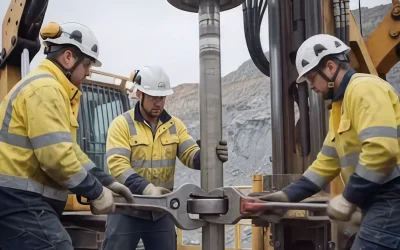
3D Printing a Downhole Thermal Barrier: Avalon Sciences and Omni3D
Avalon Sciences approached Omni3D while developing a thermal barrier for downhole tools. The project brought together a demanding service requirement, a PEEK processing challenge and a documented PEKK-A proposal. This application-development case explains the two material routes and the engineering questions that connect a print to its intended service.

How to Reduce Custom Tooling Lead Times from 10 Weeks to 1 Week Using Dual-Material Additive Manufacturing
A Tier-1 bearing manufacturer redesigned a complex production tool for dual-material industrial 3D printing. By combining ABS with soluble ODS-20 support material, the project reduced the assembly from 24 to 12 components, lowered its weight from 2.5 to 2.0 kg, and shortened production from 8–10 weeks to one week.
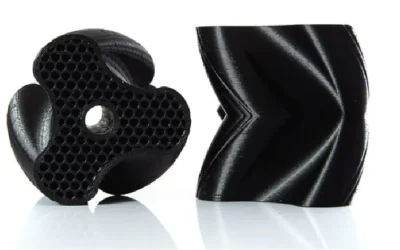
3D Printed Rotor for a Pulse-Free Gas Meter CGR-05
Case...
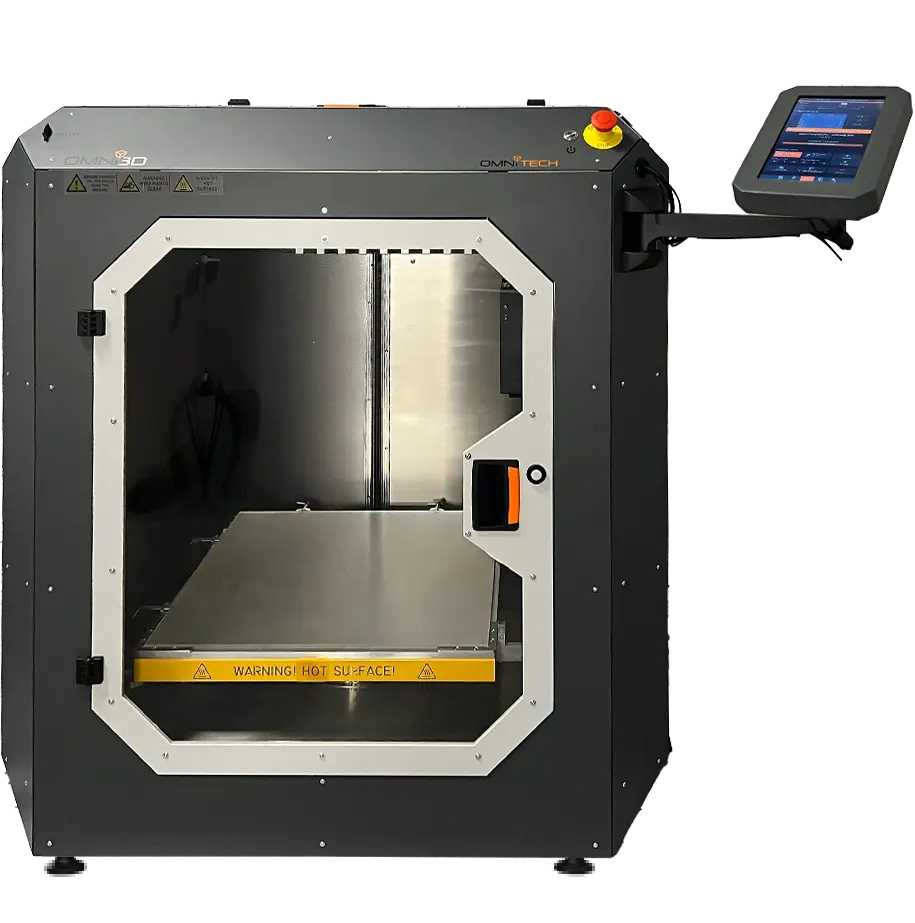
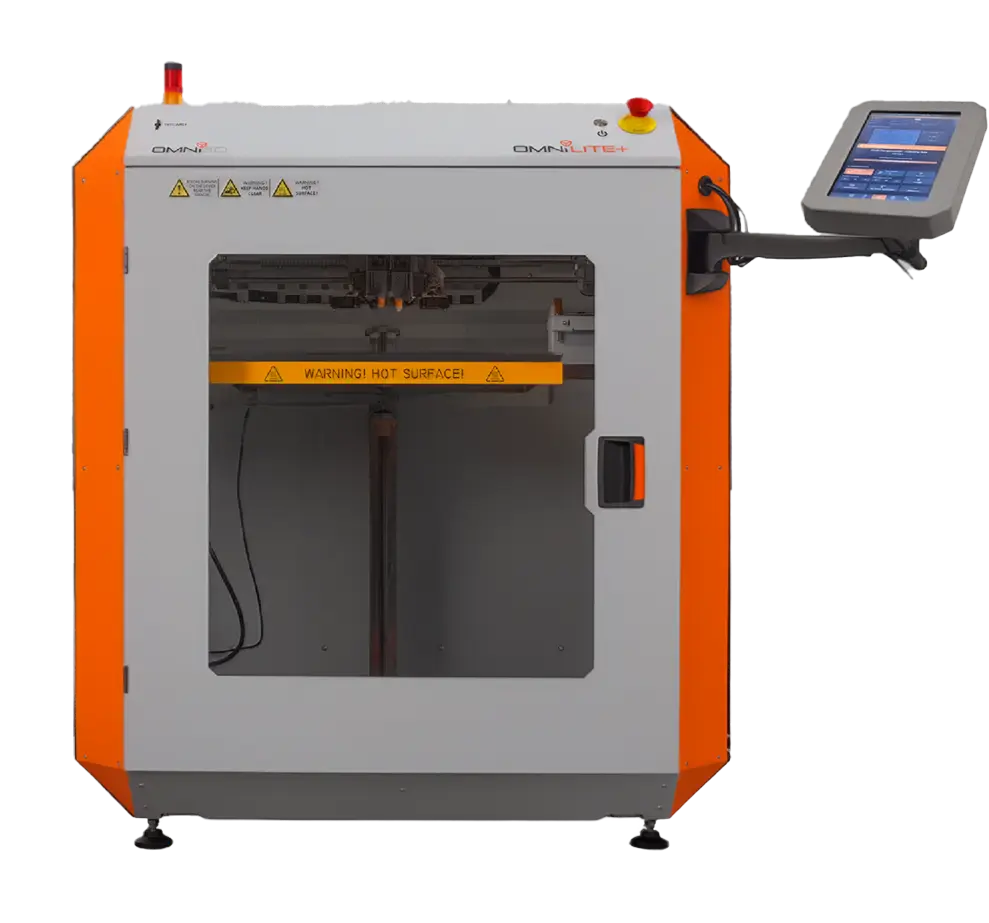
3d printers for maintenance

Materials
At Omni3D, we believe in the power of choice. Our open material systems allow you to explore a vast array of materials, tailored to your specific needs. From engineering-grade thermoplastics to specialty filaments, our printers are designed to handle it all.
Omni compatible materials include:
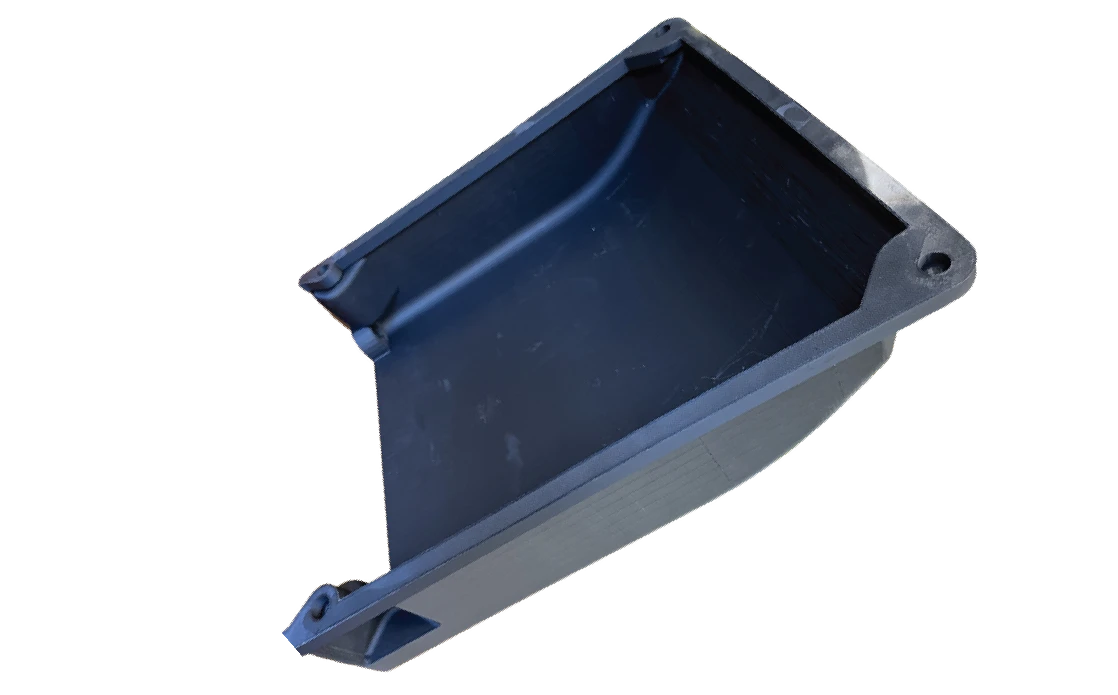
ABS ESD
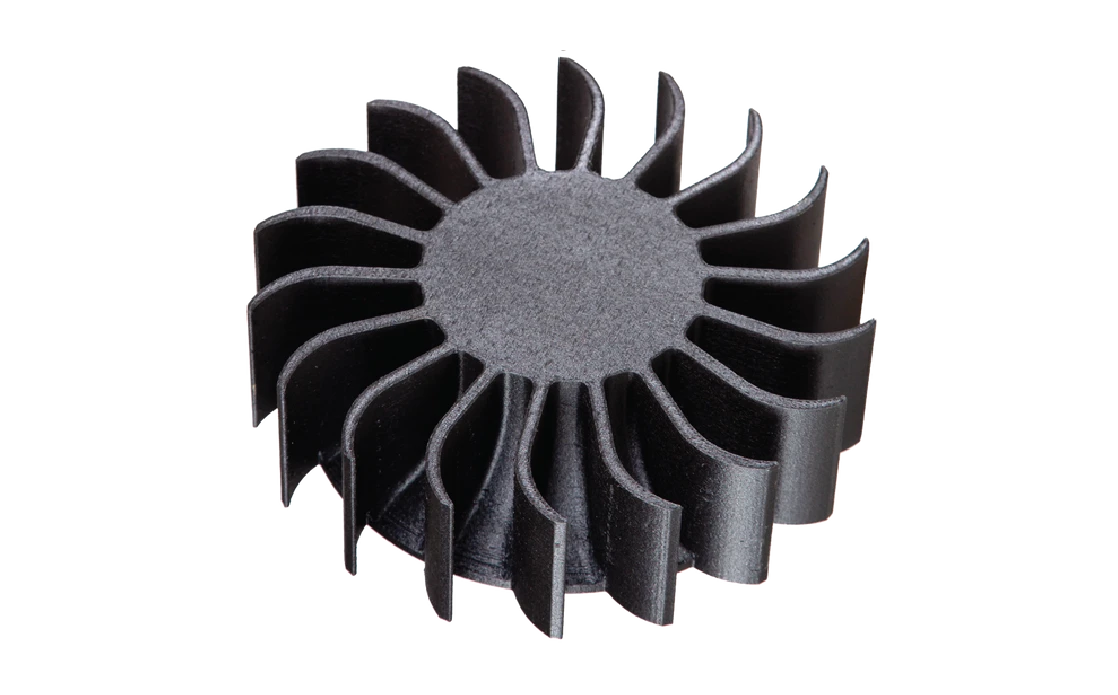
CF-PA12
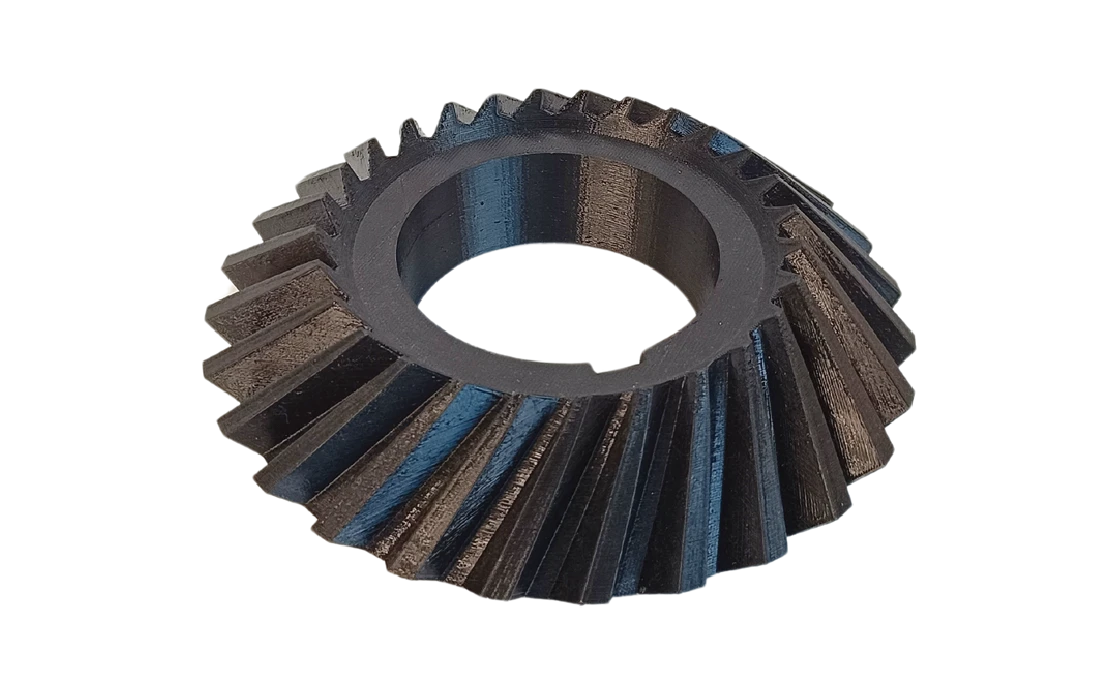
PC
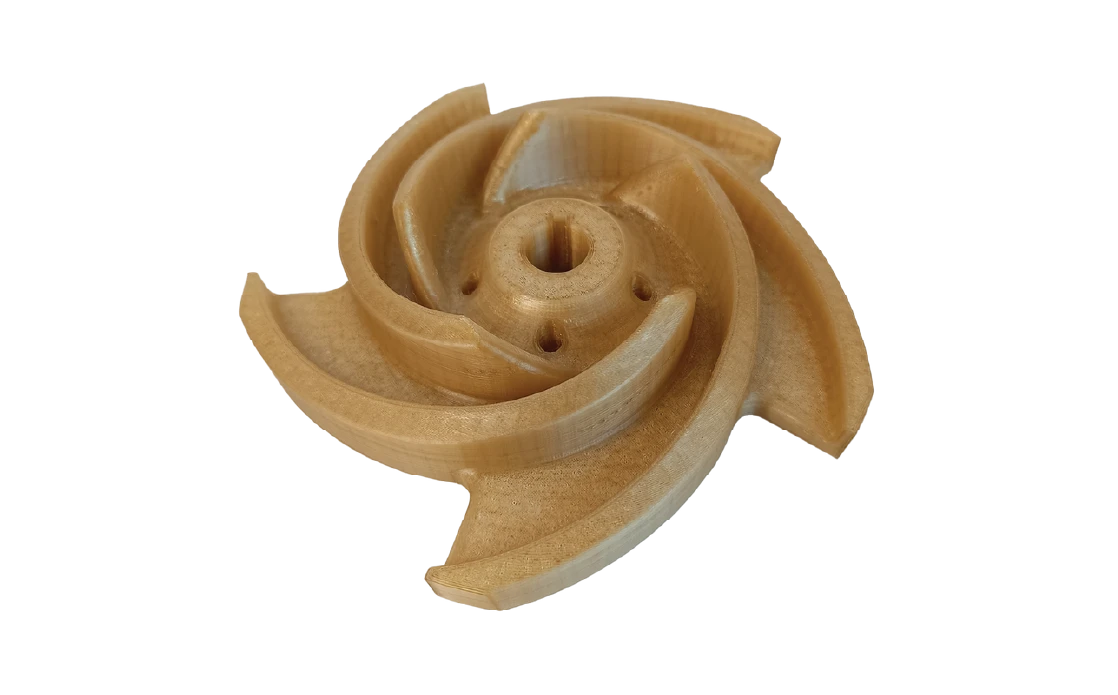
PEKK
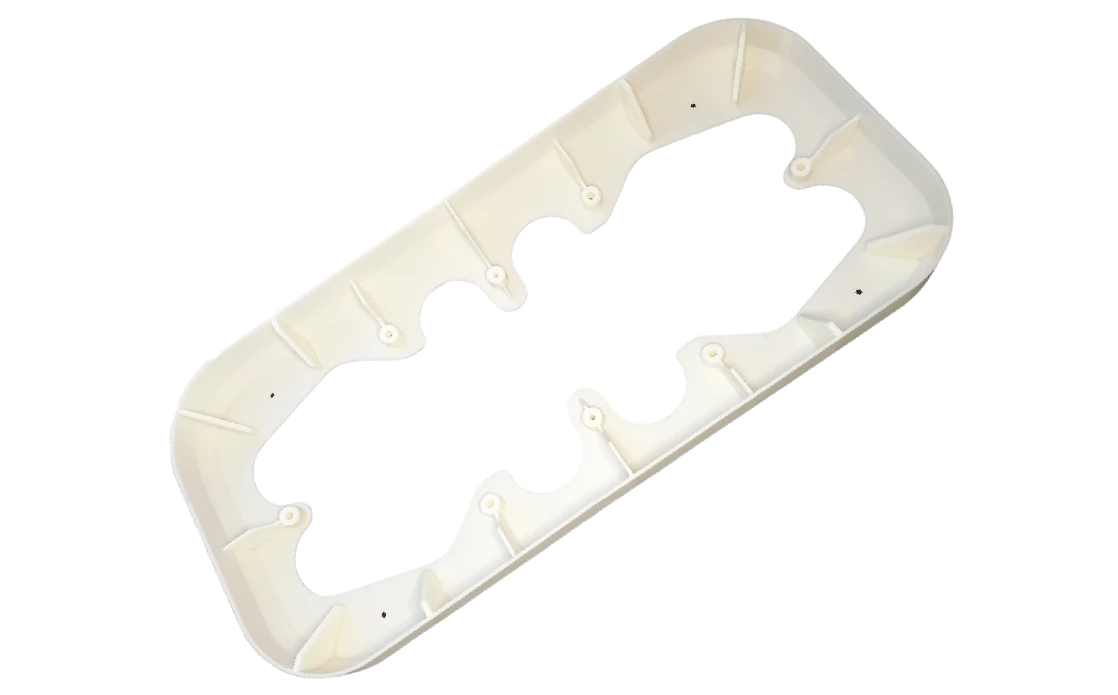
ABS
Industrial 3D printing solutions trusted by











Latest blog posts
Omni3D Acquires Apium 3D to Expand High-Performance Polymer 3D Printing
Omni3D has acquired Apium 3D Technologies, combining large-format industrial platforms with specialist expertise in high-temperature polymer processing. The acquisition expands the company’s offering for aerospace, defense and manufacturing, with joint development focused on advanced materials, customer support and next-generation industrial systems.
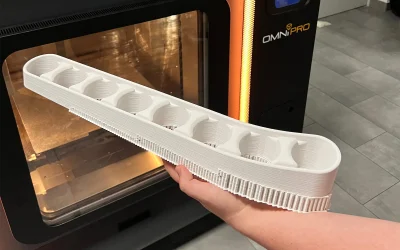
Industrial 3D Printing Services for Railway, Defense and OEMs
Omni3D helps railway operators, defense contractors and industrial OEMs bring functional parts, custom tooling and replacement components into production. Explore how engineering support, certified materials and processes, and on-demand manufacturing can address supply challenges and support flexible low-volume industrial production.
3D Printing a Downhole Thermal Barrier: Avalon Sciences and Omni3D
Avalon Sciences approached Omni3D while developing a thermal barrier for downhole tools. The project brought together a demanding service requirement, a PEEK processing challenge and a documented PEKK-A proposal. This application-development case explains the two material routes and the engineering questions that connect a print to its intended service.




