
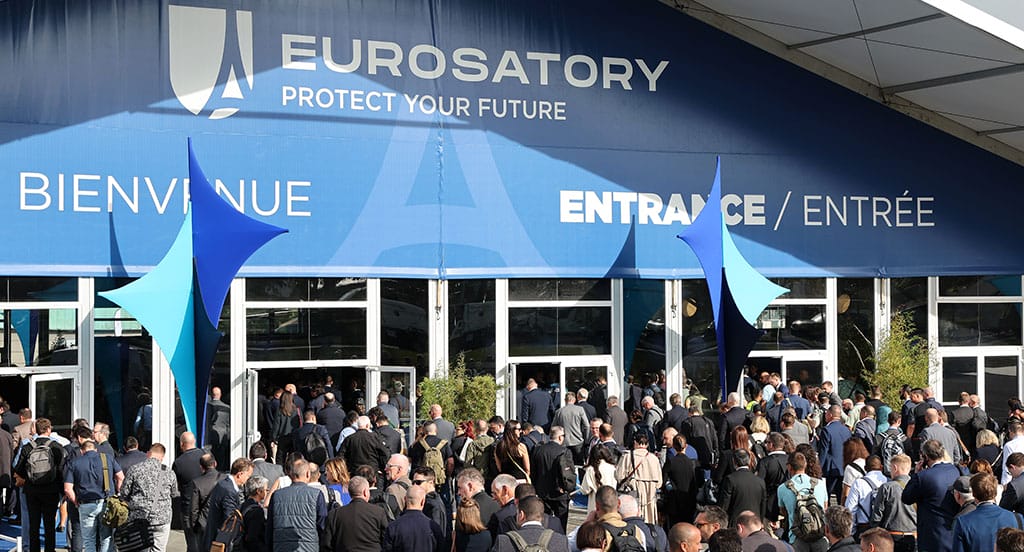
What companies should be visiting Eurosatory 2026?
The modern battlespace runs on data, but it is supplied by physical logistics. For nations attending Eurosatory 2026, the starkest lessons from recent conflicts have not been about a single weapons platform, but about the extreme fragility of the supply chain. A forward operating base waiting for a shipment of proprietary consumables is a forward operating base at risk.
At Omni3D, we see the solution not just in the ability to print a part, but in the freedom to choose the material and expeditiously solve challenges on the battlefield.

The Hidden Cost of Proprietary Filaments in Defense
Industrial 3D printing was supposed to solve the problem of strategic dependency. But many manufacturers have accidentally reintroduced a new one: the proprietary material ecosystem.
For a defense force, selecting a printer that requires a specific, vendor-locked, chipped filament spool creates a single point of failure that is antithetical to military resilience. If the approved vendor cannot supply a specific grade of carbon-fiber-filled filament during a supply shock, that asset stops, often in a critical state.
This is the challenge Omni3D designed against. Our Factory 2.0 ecosystem, showcased at the European Defense Agency’s Additive Manufacturing Village during Eurosatory, is built on a philosophy of absolute material freedom. You are not buying a consumable subscription; you are deploying a strategic manufacturing capability.
What Does “Open System” Actually Mean for a NATO Stock Number?
An open-system printer means you are not restricted to a pre-approved list of branded materials. But for a defense logistics officer, it translates into three specific tactical advantages:
1. Qualification on Your Terms, Not the OEM’s
In highly regulated aerospace and land-defense environments, parts must be qualified to a specific standard. When a manufacturer locks the printer to their own filament, they control your qualification process. An open system allows your materials engineering unit to source PEKK, PEI (ULTEM™), or Carbon Fiber PA12 directly from the chemical manufacturer and perfectly shape the manufacturing process with the material chosen. You can lock the parameters, not the brand. This is how we work with partners like Airbus to validate flight-ready components, the process is built on engineering data, not a serial number on a spool.
2. Mitigating the “Razor-and-Blade” Risk
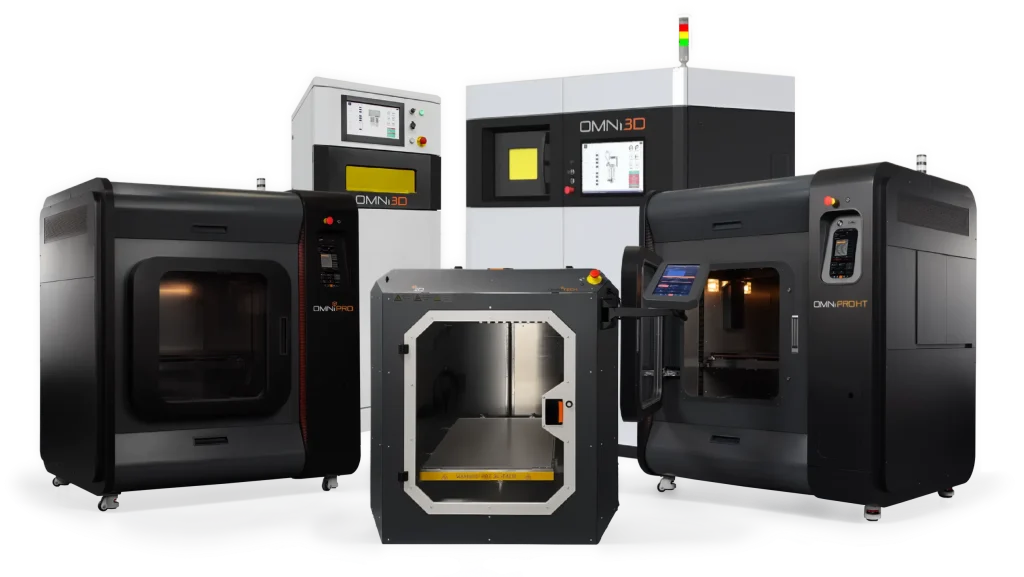
The commercial term for locked filaments is the “razor-and-blade” model. In a factory, this is a controllable operational expense. In a contested logistics environment, it is a strategic vulnerability. Omni3D’s technology, featured in our sustainment case studies with Polish forces, demonstrates that a single OmniPRO printer can switch from printing a flexible TPU gasket for a sensor housing to a high-temperature PEKK bracket for a legacy vehicle engine, using stock sourced from separate, pre-qualified suppliers. No vendor permission required.
3. Cyber-Physical Security of the Supply Flow
A discussion that has become prominent at Eurosatory is the cyber-physical risk embedded in supply chains. A chipped material cartridge, while convenient, is a sealed data node. An open system allows for air-gapped operation with inert materials. The part file, the printer, and the raw polymer are separate, verifiable entities. There is no hidden firmware handshake between the spool and the machine that could be exploited or fail at a critical moment. Additionally, Omni3D specifically designed solutions for highly secured
The Technology Behind True Material Freedom
Truly open systems are not just a software toggle. They demand extreme hardware capability. You cannot simply “open” a low-temperature desktop printer to engineering-grade materials; you have to engineer the environment.
Printing strategic materials like unfilled PEKK requires an actively heated chamber maintaining up to 220°C, a heated bed beyond 200°C+, and a nozzle capable of sustained 400°C+ extrusion without degradation. Our OmniTECH+ and OmniPRO Series machines were purpose-built for this thermal stability. They manage the complex crystallization kinetics of high-performance thermoplastics so your team only has to manage the part’s geometry.
The result? A printer that becomes a universal deployment asset. During a single shift at a maintenance depot, a technician can produce a low-volume, impact-resistant TPU cover, switch parameters, and produce a flame-retardant, chemically resistant PEI duct using a profile validated by an independent testing house, not a material vendor.
Omni3D at Eurosatory 2026: Redefining Logistics Sovereignty
The theme dominating the EDA’s AM Village this year is the shift from prototype to policy. How do we move additive from a laboratory experiment into the NATO logistics backbone? The first step is breaking the proprietary lock.
At Eurosatory 2026, we will demonstrate live production workflows that illustrate the “digital warehouse” concept. We will show how a distributed network of Omni3D printers, using local sources of certified polymers, can immediately alleviate the burden on physical convoys.
Visit Omni3D at Eurosatory 2026 Hall 4 – Booth D255.
We invite you to bring your material certification challenges to our stand. Let’s discuss how we can remove the proprietary barrier between your supply chain and a resilient, digitally distributed future. The freedom to choose your material is the freedom to control your readiness.
Frequently Asked Questions
Can I use my existing high-temperature filaments in the Omni3D system?
Yes. The Omni3D ecosystem is explicitly designed to be brand-agnostic. If your material falls within the thermal and rheological specifications of the machine, we provide the open-access profiling tools to validate and print it without needing a pre-installed vendor key.
u003cemu003eDoes using an open system compromise part quality for defense applications?u003c/emu003e
No. In fact, it often improves it. By controlling the process parameters yourself, you are certifying the process, not just a vendor’s promise. This aligns with the stringent traceability requirements of aerospace and defense, where provenance of the process is as critical as the provenance of the material.
u003cemu003eHow does Omni3D support the material qualification process for agencies without deep polymer science expertise?u003c/emu003e
We provide application engineering support to transfer our parameter development knowledge to your team. For strategic partners, we assist in the pre-validation and parameter lock-in for specific, nominated material grades that become part of your internal qualified products list (QPL).







