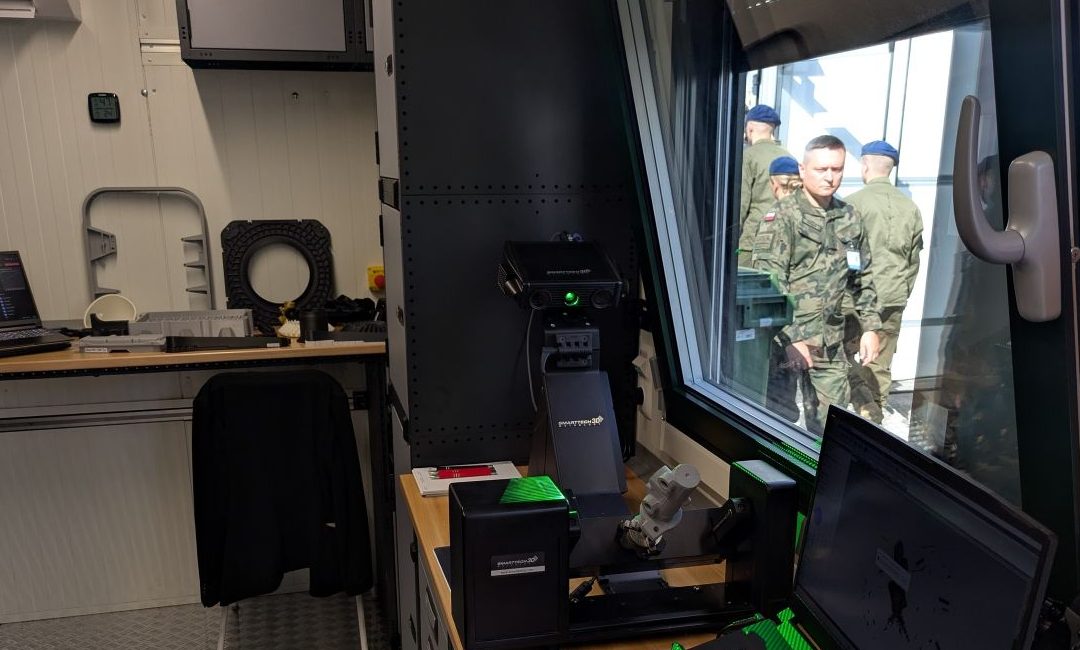
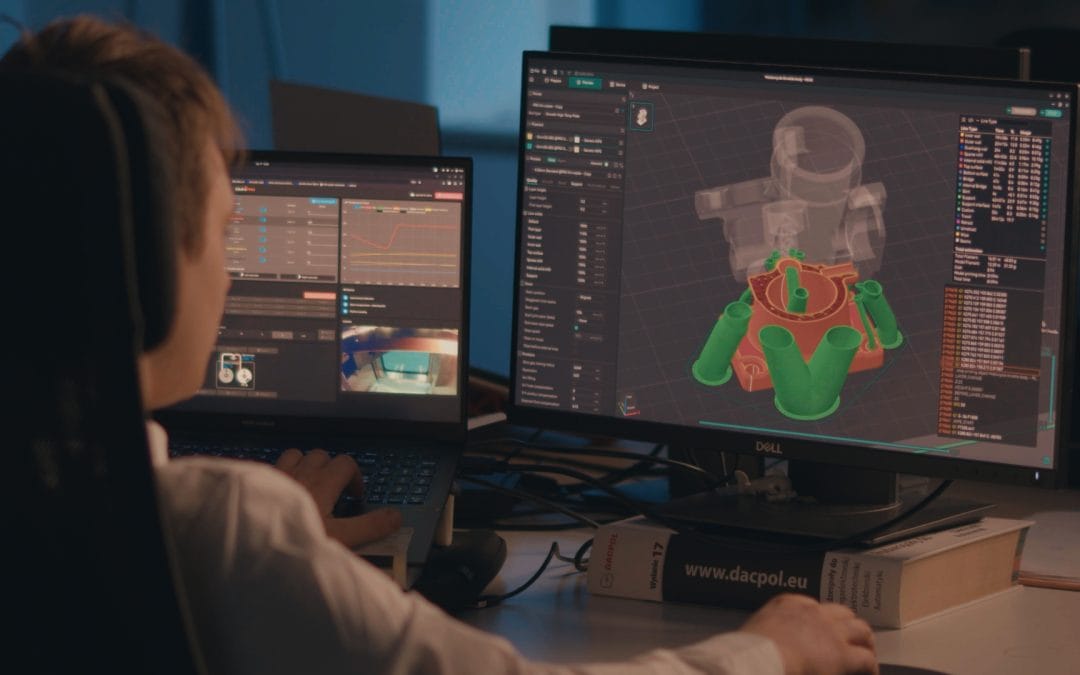
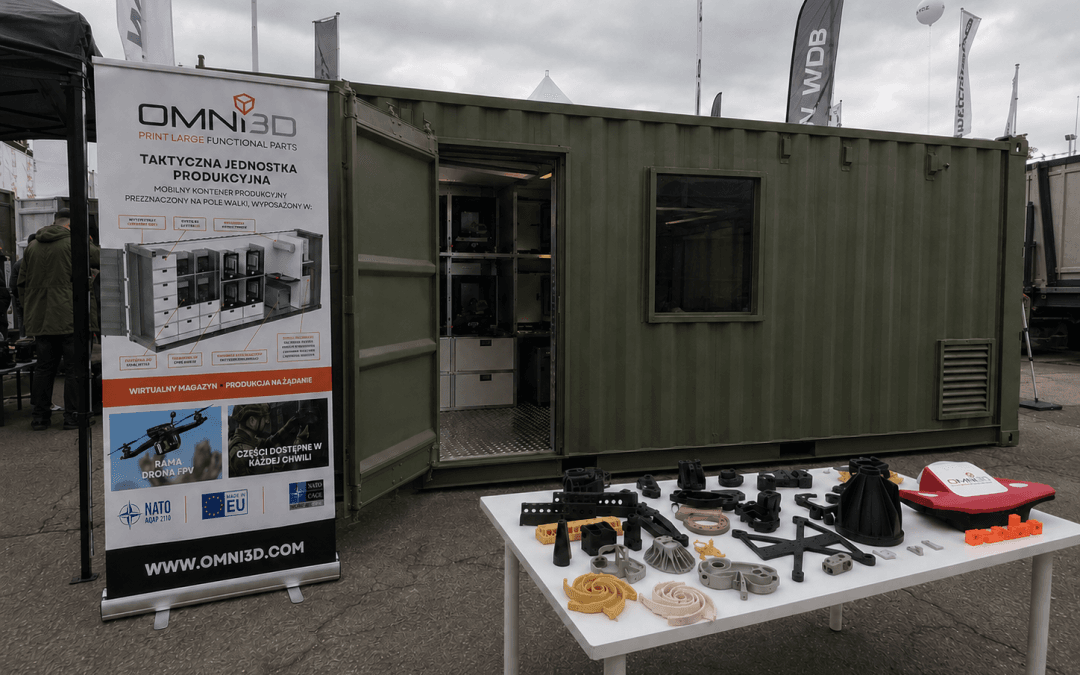
Following MSPO 2026, the implementation question is how to turn additive manufacturing equipment into a controlled production capability. This guide connects polymer and metal process selection with TFU20 deployment planning, approved digital files, inspection and the operational support needed for point-of-need manufacturing.
Defense additive manufacturing security extends beyond CAD encryption. This guide maps remote access, wireless connectivity, firmware, removable media and supply-chain risks to concrete AM cybersecurity controls and explains how air-gap-ready deployment supports controlled production.
Defense additive manufacturing is transforming how military organizations produce spare parts, maintain legacy platforms, and respond to supply-chain disruptions. At MSPO 2026, Omni3D will present an integrated architecture combining high-temperature polymer...
What companies should be visiting Eurosatory 2026? The modern battlespace runs on data, but it is supplied by physical logistics. For nations attending Eurosatory 2026, the starkest lessons from recent conflicts have not been about a single weapons platform, but about...
Small tactical drones are changing European defense requirements beyond speed, range, and payload. Using the Omni3D Mosquito 1000 and Mosquito 1600 as examples, this article examines why scalable production, secure digital workflows, fleet replacement, and forward-deployed manufacturing are essential to maintaining operational capability.
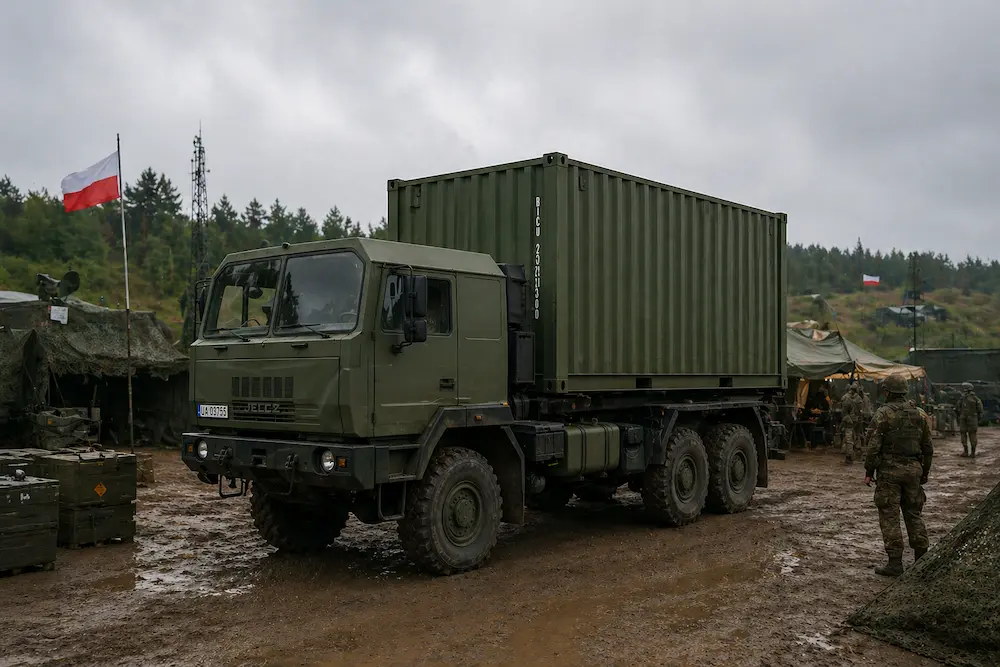
How in-situ additive manufacturing shortens defense supply chains at the point of need, with validated workflows, digital inventory, and Omni3D’s TFU20 deployable manufacturing lab.