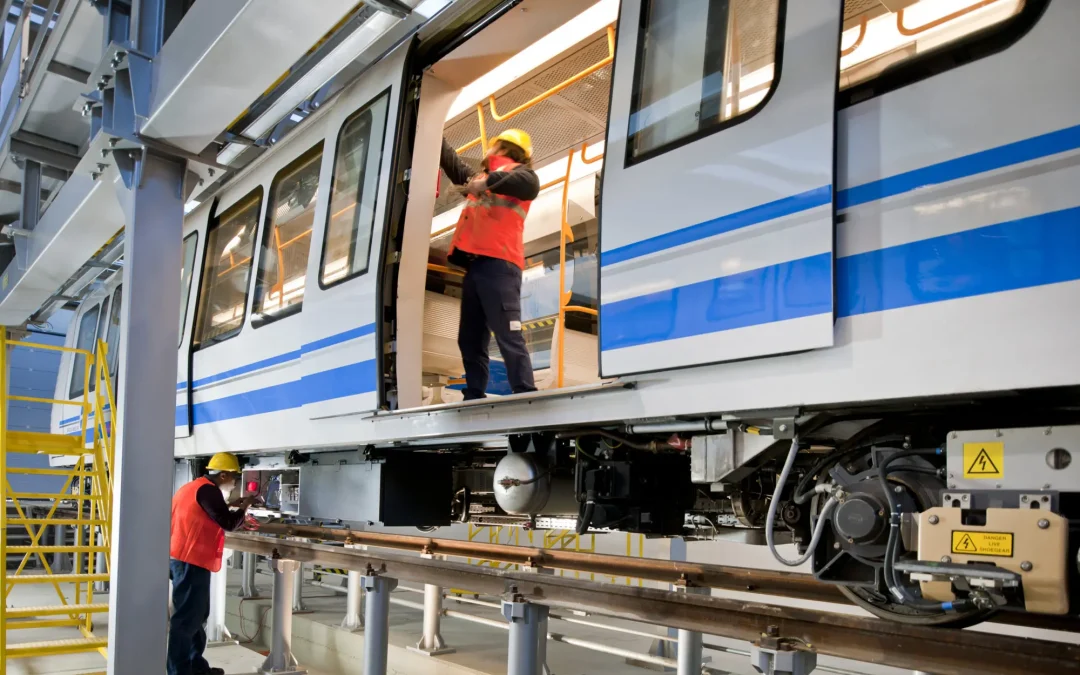
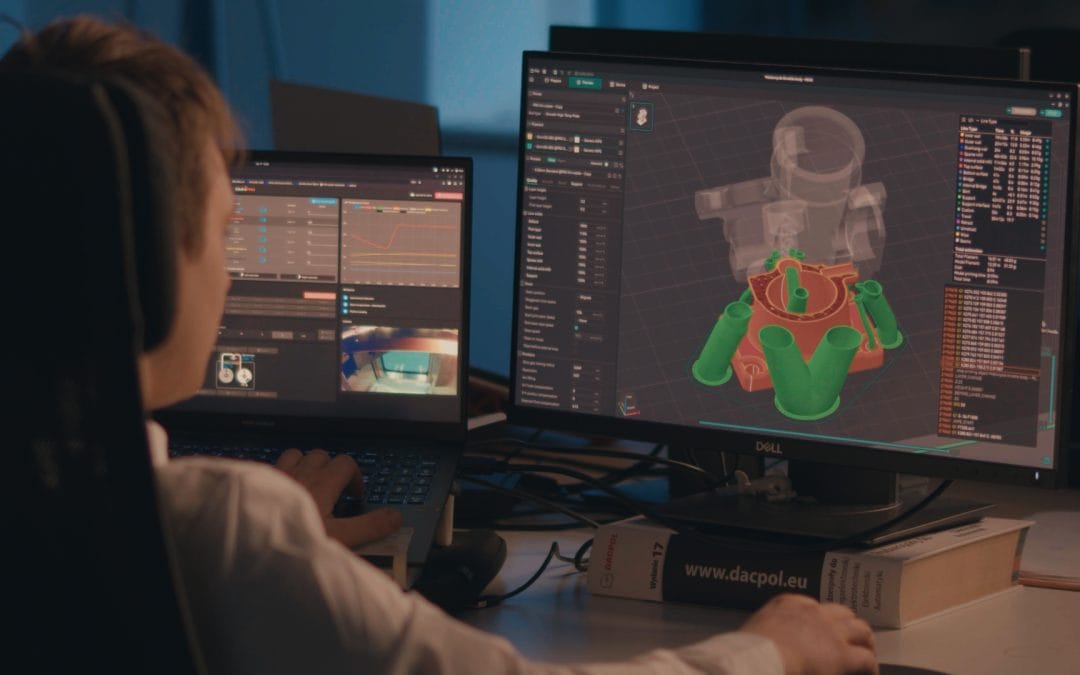
Railway additive manufacturing requires evidence that matches the material, printing process and finished component. This guide examines Omni3D’s documented PC HL2 FR configuration, distinguishes material data from printed-system testing, and explains how chamber capability and surface finishing fit into a practical MRO qualification plan.
Can 3D Printing Produce Qualified Railway Signalling Components? Yes. Industrial 3D printing can support the production of railway signalling and rolling-stock components when the material, manufacturing process, part geometry and post-processing steps are properly...
Defense additive manufacturing security extends beyond CAD encryption. This guide maps remote access, wireless connectivity, firmware, removable media and supply-chain risks to concrete AM cybersecurity controls and explains how air-gap-ready deployment supports controlled production.
Achieving EN 45545-2 HL3 compliance in railway additive manufacturing requires more than selecting a flame-retardant filament. This article explains how certified materials, controlled industrial printing, 100% infill, compliant adhesives, and approved surface finishes work together to produce safe railway components.
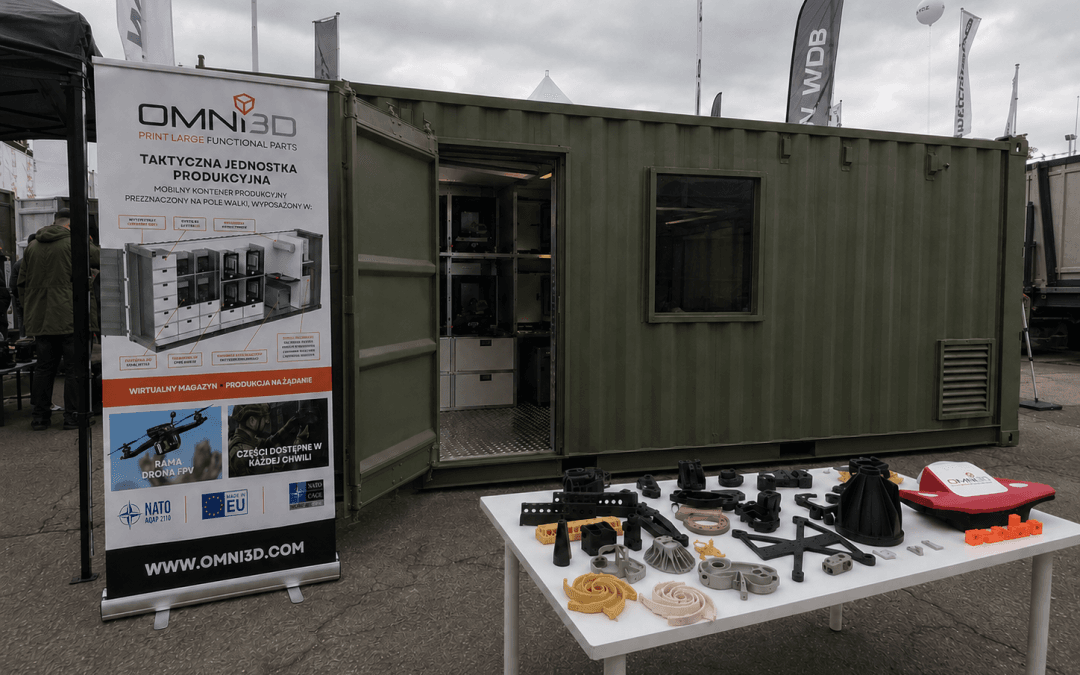
Defense additive manufacturing is transforming how military organizations produce spare parts, maintain legacy platforms, and respond to supply-chain disruptions. At MSPO 2026, Omni3D will present an integrated architecture combining high-temperature polymer...
What companies should be visiting Eurosatory 2026? The modern battlespace runs on data, but it is supplied by physical logistics. For nations attending Eurosatory 2026, the starkest lessons from recent conflicts have not been about a single weapons platform, but about...