Large-format 3D printing for heritage conservation provides a non-invasive alternative to traditional mold-making and manual reconstruction. By combining metrology-grade 3D scanning with industrial FFF, conservation teams can reproduce fragile artifacts, manufacture complex casting molds, and reconstruct lost monuments without placing the original objects at risk.
Mitigating Geometrical Risk and Restoring Structural Integrity through Large-Format FFF. Replicating historical artifacts presents a complex engineering challenge: capturing sub-millimeter historical details and ensuring structural stability without subjecting fragile, degrading original artifacts to invasive physical mold-making techniques. This case study examines two distinct industrial workflows deploying metrology-grade 3D scanning and large-format Fused Filament Fabrication (FFF):
- The French Matrix (TH Industrie): A non-invasive scan-to-mold workflow utilizing engineering-grade Acrylonitrile Butadiene Styrene (ABS) on an industrial platform to create a 12-piece interlocking casting mold for 16th-century wooden artifacts.
PDF - The Czech Matrix (Jindřichův Hradec / Tredi): A multi-stage 3D reconstruction and direct large-format replication of a historical monumental statue from surviving plaster models, replacing traditional stone or manual metal casting workflows with an optimized, tech-driven additive manufacturing process.
Both cases demonstrate how actively managed thermal environments and high-precision digitization mitigate structural risks, lower Total Cost of Ownership (TCO), and eliminate the traditional tooling bottlenecks associated with classical conservation methods.
Technical Framework & Project Specifications
| Parameter | Case Study 1: France (TH Industrie) PDF | Case Study 2: Czech Republic (Jindřichův Hradec) |
| Object Type | Two 16th-Century Saint Statues (Oak wood) | Monumental Statue of Colonel Josef Jiří Švec |
| Dimensions | 1.3 meters (Height)×30 cm (Diameter) | Full-scale outdoor public monument |
| Primary Challenge | Severe environmental degradation of fragile wood | Original monument destroyed during the Protectorate era |
| Technology Used | Metrology 3D Scanning (Creaform/PolyWorks) + Industrial FFF | 3D Scanning of surviving plaster models + 3D Printing |
| Hardware Platform | Omni3D Omni TECH Industrial 3D Printer | Omni3D Omni TECH Industrial 3D Printer |
| Material Profile | Engineering-grade ABS | High-stability, weather-resistant polymer matrix |
| Application Type | 12-Piece Interlocking Casting Mold | Direct End-Use Public Assembly & Placement |
| Total Project Cost | Optimized industrial mold-making unit economics | ~300,000 CZK (inclusive of site modifications) |
Case Study 1: France (TH Industrie): Non-Invasive Scan-to-Mold Matrix for Fragile 16th-Century Artifacts
The Engineering Challenge: Eliminating Mechanical Stress on Degrading Substrates
Two priceless 16th-century saint statues carved from oak wood exhibited critical environmental degradation. Traditional replication protocols require silicone or gypsum counter-molding directly onto the artifact’s surface. However, the mechanical forces exerted during physical mold detachment posed an unacceptable risk of shearing fragile wood fibers and erasing irreplaceable historical tool marks.
Local preservation authorities mandated a completely non-invasive replication workflow capable of sub-millimeter historical detail fidelity and translation into a permanent, highly durable end material.
The Additive Solution: Enclosed Thermal Management and Segmented Mold Architecture
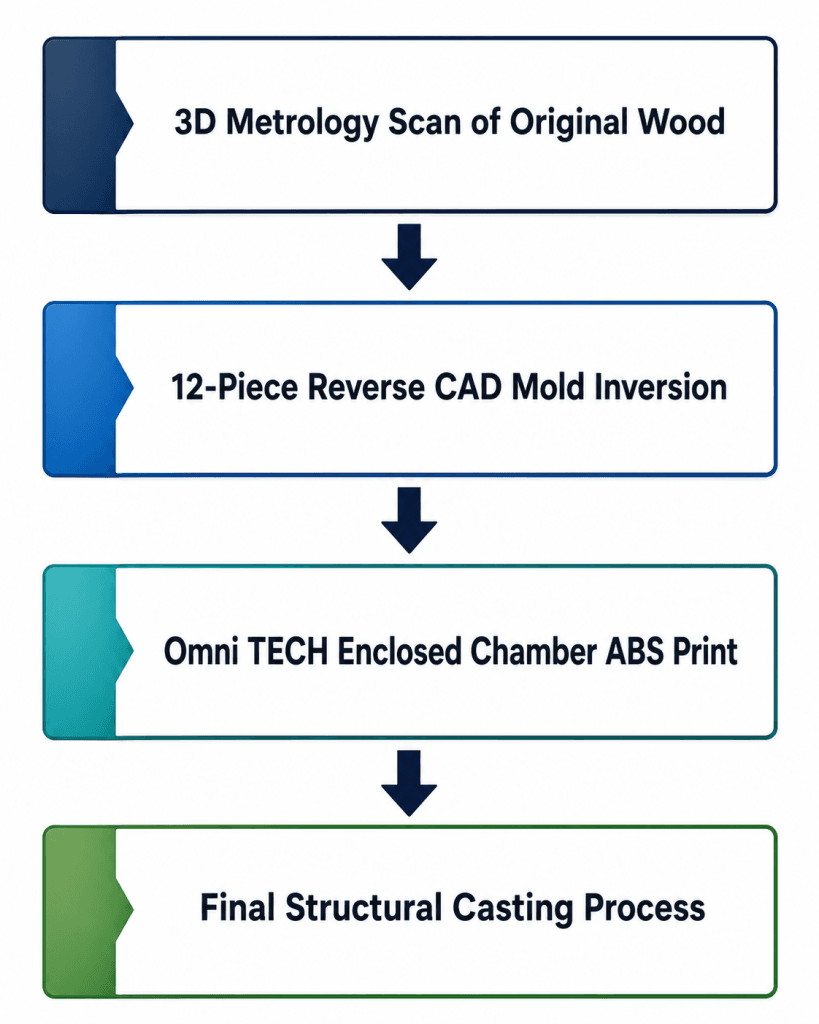
In collaboration with metrology specialists utilizing advanced scanning systems (Creaform hardware paired with PolyWorks software), TH Industrie generated a precise digital twin of the statues, capturing the micro-textures of the original oak substrate without physical contact.
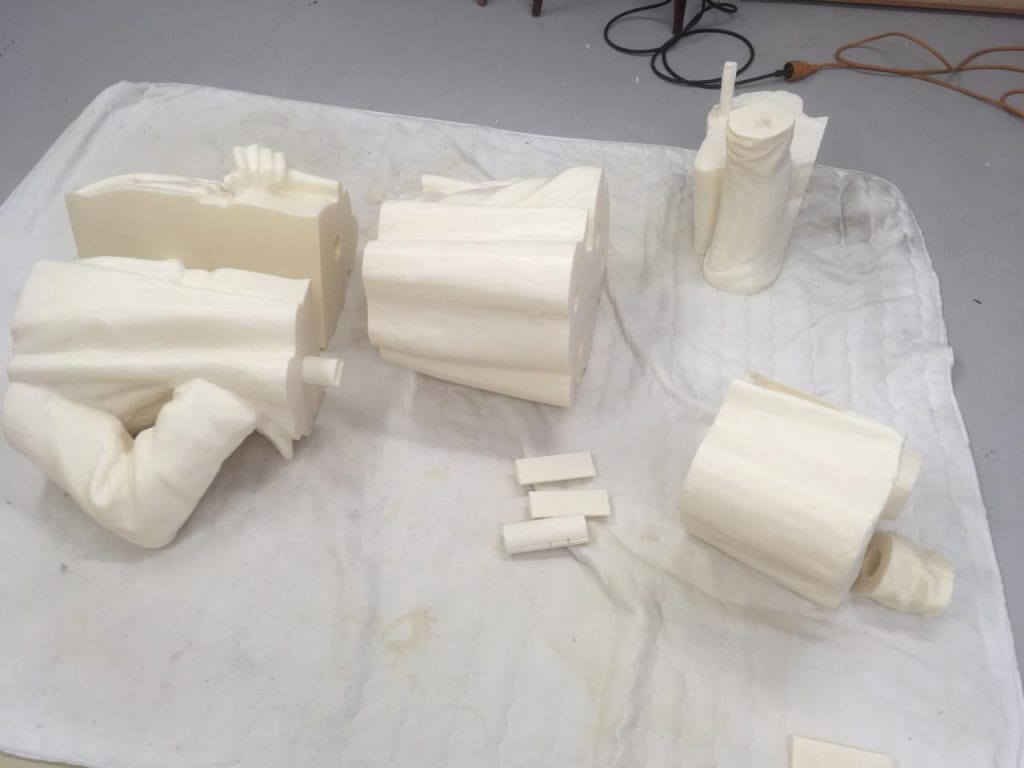
In the computer-aided design (CAD) stage, engineers inverted the digital twin to construct a complex 12-piece interlocking mold system. Segmenting the large-scale envelope into 12 precise components was mathematically required to achieve clean draft angles and ensure damage-free demolding after the final structural material casting phase.
Printing large-format components using standard ABS is notoriously prone to failure due to the polymer’s high Coefficient of Thermal Expansion (CTE). Without strict environment control, internal residual stresses accumulate across layers, inducing warping, curling, and macroscopic delamination.
To overcome this, TH Industrie deployed the Omni3D Omni TECH Industrial 3D Printer. The system’s enclosed, actively managed thermal chamber maintains a stable temperature profile across the build volume, effectively preventing volumetric shrinkage and ensuring that all 12 interlocking mold segments met tight geometric tolerances.
The Operational Result
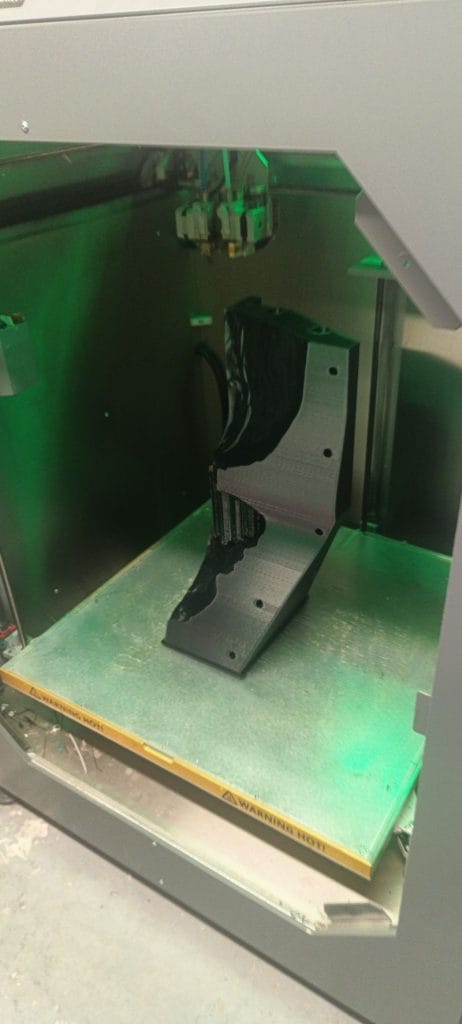
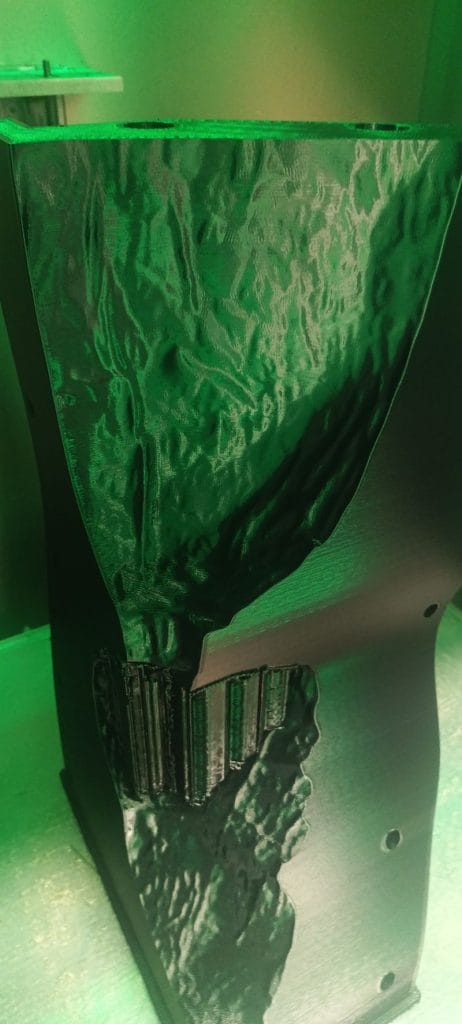
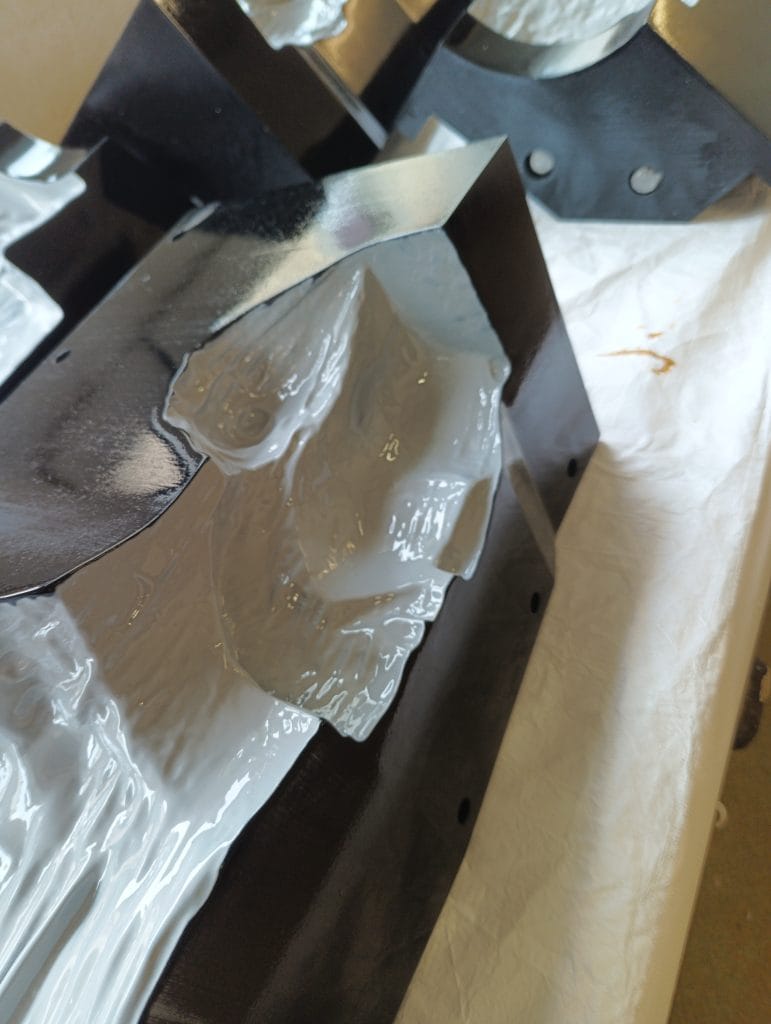
The 12 printed ABS segments exhibited perfect structural continuity and aligned seamlessly during assembly without manual post-machining or structural shimming. By bypassing artisan tooling bottlenecks, TH Industrie achieved zero geometric distortion, eliminated traditional lead times, and safely transitioned the project into the final surface-smoothing and casting phases.
Case Study 2: Czech Republic — Direct Large-Format Monolithic Replication of the Švec Monument
The Engineering Challenge: Volumetric Reconstruction from Fragmentary Tooling
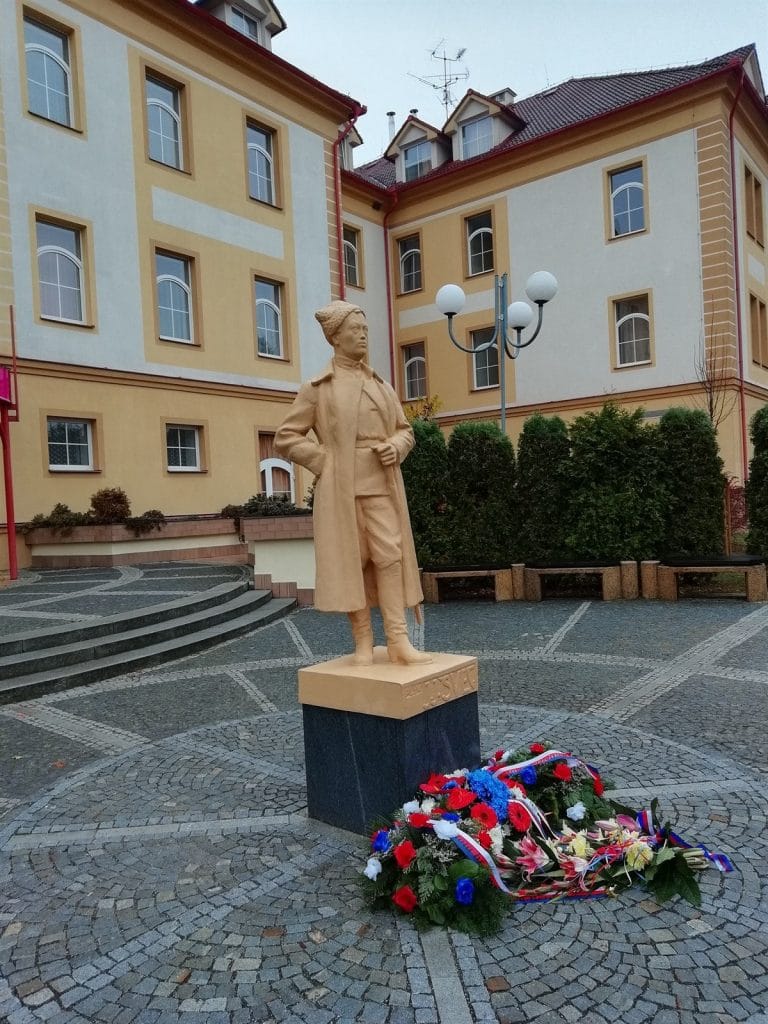
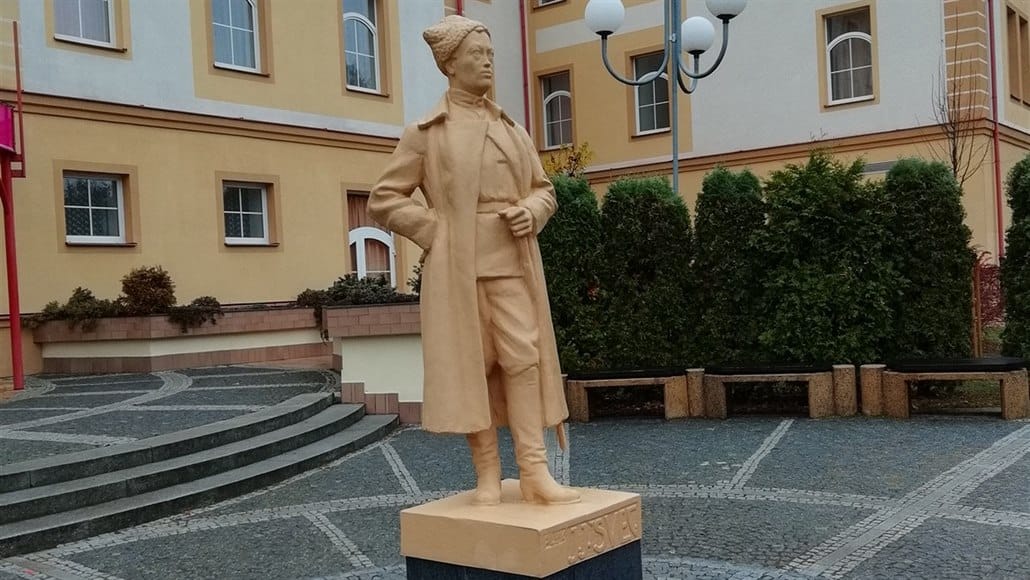
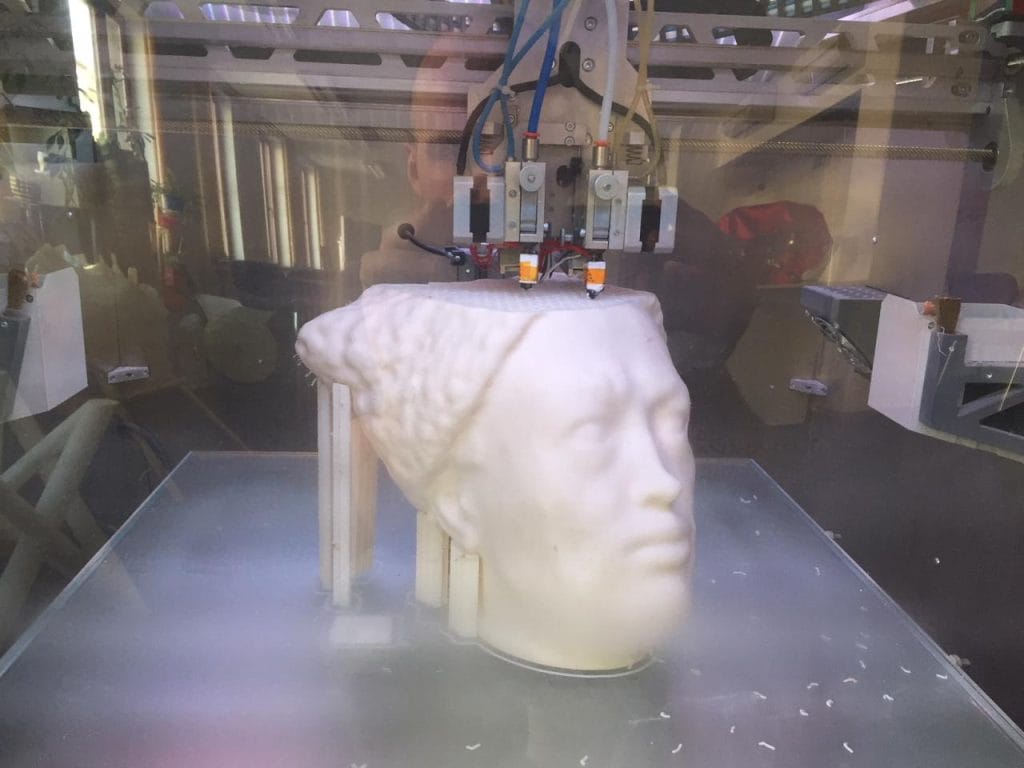
The monument of Colonel Josef Jiří Švec, originally sculpted by Otto Birma (who served under Švec in the First World War), historically occupied the courtyard of the barracks in Jindřichův Hradec before its systematic destruction during the Protectorate era.
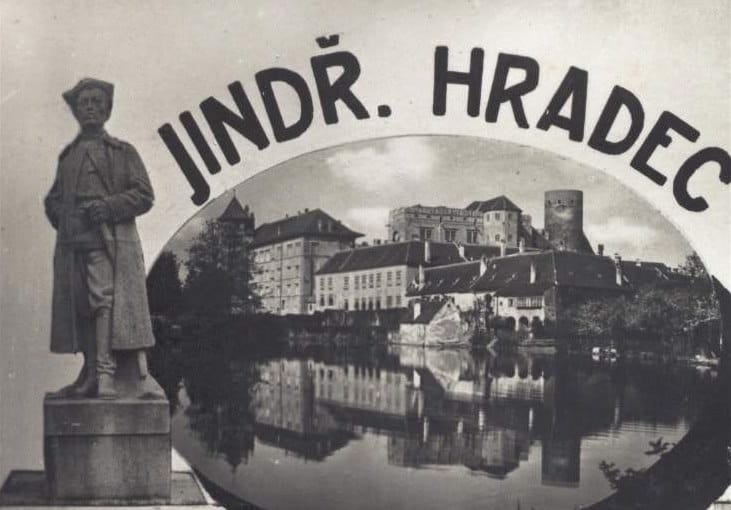
Unlike the French case study, the original full-scale artifact no longer existed. The engineering challenge required reconstructing a large-scale public monument using surviving historical plaster design maquettes, scaled to match the original architectural dimensions of the courtyard pedestal.
The Additive Solution: 3D Printing Protocols for Outdoor Public Placement
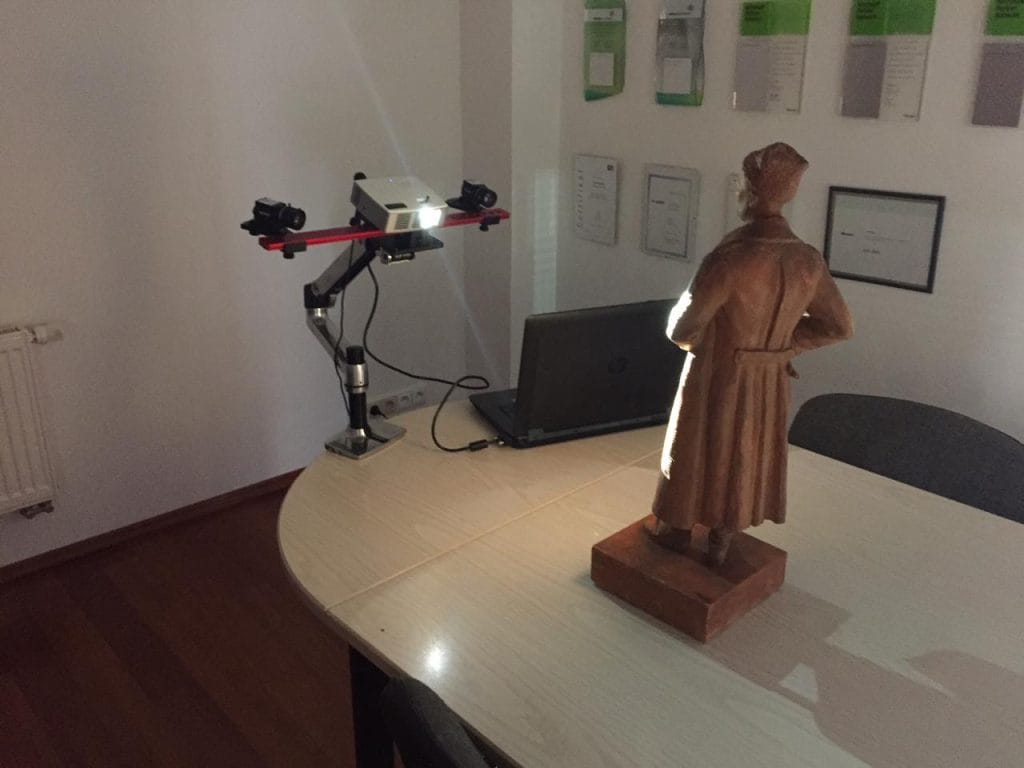
The municipality of Jindřichův Hradec partnered with additive specialists Tredi (Planá nad Lužnicí) to implement a digital scaling and printing matrix. The surviving plaster models were digitized via high-resolution optical 3D scanners. The resulting point-cloud data was cleaned, mathematically scaled, and processed for multi-part large-format printing.
The internal segments of the statue were printed using high-capacity industrial systems in Prague, while final structural fusion, surface consolidation, and engineering finishes were executed at Tredi’s specialized facility in Planá nad Lužnicí. Because the final assembly is situated outdoors on an open-air pedestal, the material choice required excellent UV stability and a low moisture absorption profile to withstand cyclic environmental freeze-thaw degradation.
The Operational Result
The total capital expenditure for the production of the statue, including the final preparation of the surrounding courtyard installation zone, was limited to approximately 300,000 CZK. Utilizing a digital 3D-printing workflow allowed the municipality to avoid the exorbitant casting costs and multi-month lead times typical of traditional bronze or hand-carved stone monuments. The resulting statue provides identical visual and volumetric fidelity to Otto Birma’s original work, anchored directly to a granite pedestal inside the university dormitory courtyard.
Industrial ROI & TCO Breakdown: AM vs. Traditional Heritage Tooling
When evaluated under an industrial Total Cost of Ownership (TCO) model, large-format additive manufacturing significantly alters project economics compared to traditional artisan restoration:
- Elimination of Capital-Intensive Scrap and Tooling: Traditional artisan duplication relies on multi-part silicone rubber skins backed by glass-reinforced plaster mother-molds. For a 1.3-meter statue, material costs for high-tear silicone alone present substantial upfront expenses, with zero recovery value if a mold shifts during pouring. Additive mold generation uses only the exact volume of engineering ABS required, minimizing raw material waste.
PDF - Mitigation of Labor Bottlenecks: Traditional mold-making requires dozens of hours of manual labor by highly specialized sculptors. The Omni3D FFF workflow shifts the allocation of labor to automated machine uptime. Once the interlocking CAD architecture is validated, the system operates continuously, optimizing capacity utilization without human intervention.
PDF+ 1 - Risk Liability Reduction: The hidden cost of historical conservation is the liability of damaging the original artifact. Physical casting processes apply chemical and mechanical loads to fragile substrates. Digital metrology completely eliminates this risk factor, yielding a 0% probability of artifact degradation during the scanning phase.
PDF+ 2
Technical Setup Recommendations for Advanced FFF Mold Production
For engineering teams replicating similar large-format scan-to-mold workflows, the following print parameters are recommended based on Omni3D engineering guidelines to maximize structural rigidity and minimize delamination risks:
- Material Choice: Engineering-grade ABS or ABS Carbon for maximum dimensional stability and rigidity under casting pressures.
- Adhesive Interface: ASNARE 3D Printing Adhesive applied uniformly to the build plate. High-temperature materials like ABS exhibit high thermal gradients; ASNARE provides a stable, high-shear chemical bond that prevents corner warpage during long print cycles in heated chambers, releasing cleanly once the platform cools.
- Print Head Configuration: For standard engineering materials like ABS, use the MT (Medium Temperature) Print Head Module (up to 360°C) with a 0.6 mm or 0.8 mm brass nozzle to optimize layer adhesion and mechanical throughput for thick-walled mold shells.
- Infill and Perimeters: Minimum of 4 perimeters with an adaptive gyroid infill (20–30%) to withstand the hydrostatic pressure exerted by the casting medium during the pour phase.