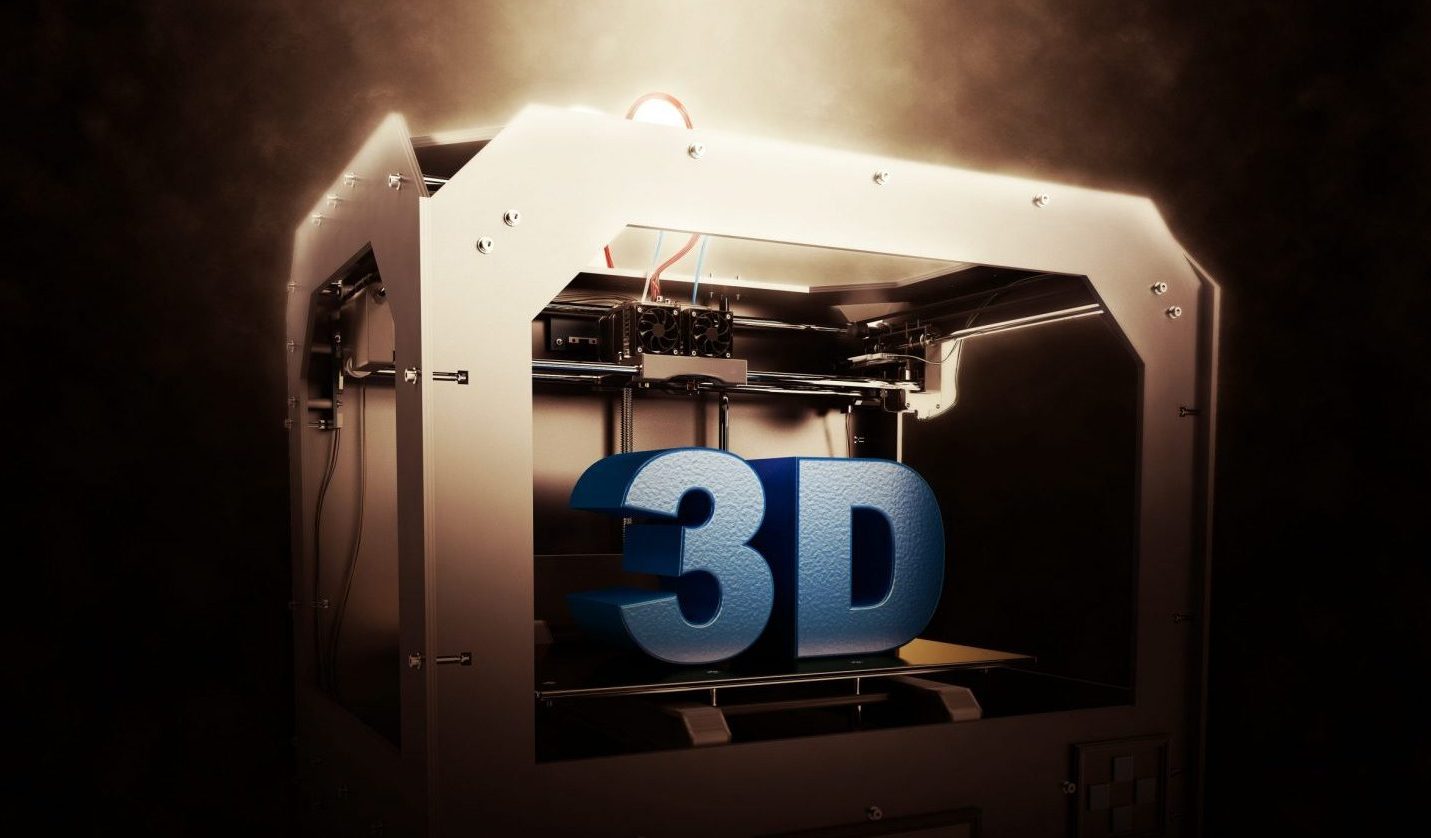
The FFF (Fused Filament Fabrication) or FDM (Fused Deposiotion Modeling) technology is a versatile 3D printing technique, whose characteristic feature is the extrusion of material in the form of a thick vein – a filament from the printing heads. Ease of use, optimal cost of implementation and durability of printouts make this 3D printing technology very popular in industrial applications.
Implementation of 3D printing technology is an opportunity to significantly increase the company’s innovation, competitiveness and maintain its market position. After choosing the right 3D printer, the practical aspect remains – what is the process of implementing a 3D printer in the company?
In recent months, manufacturing companies have been forced to transform at an unprecedented pace. Their goal was not only to find ways to innovate, but above all to optimize energy-intensive processes. The concept of Lean Manufacturing, often associated with 3D printing technology, has gained in popularity.
FDM (Fused Deposition Modeling) is the most commonly used technology used for both low-budget and industrial printers. It involves creating a layer by layer by applying thermoplastic material. Despite this part of the common possibilities offered by both types of prints, as you might expect, they differ significantly.
Simplify3D is one of the most popular programs for preparing files for 3D printing. I have been using Simplify3D software for many years. Many unique functionalities and simplicity of use distinguish it from competitive solutions.