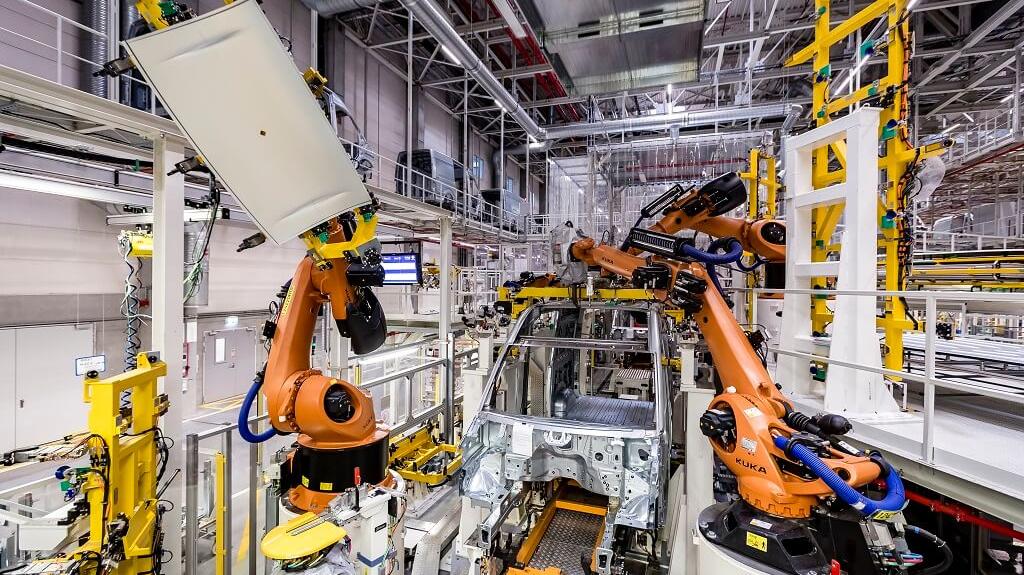
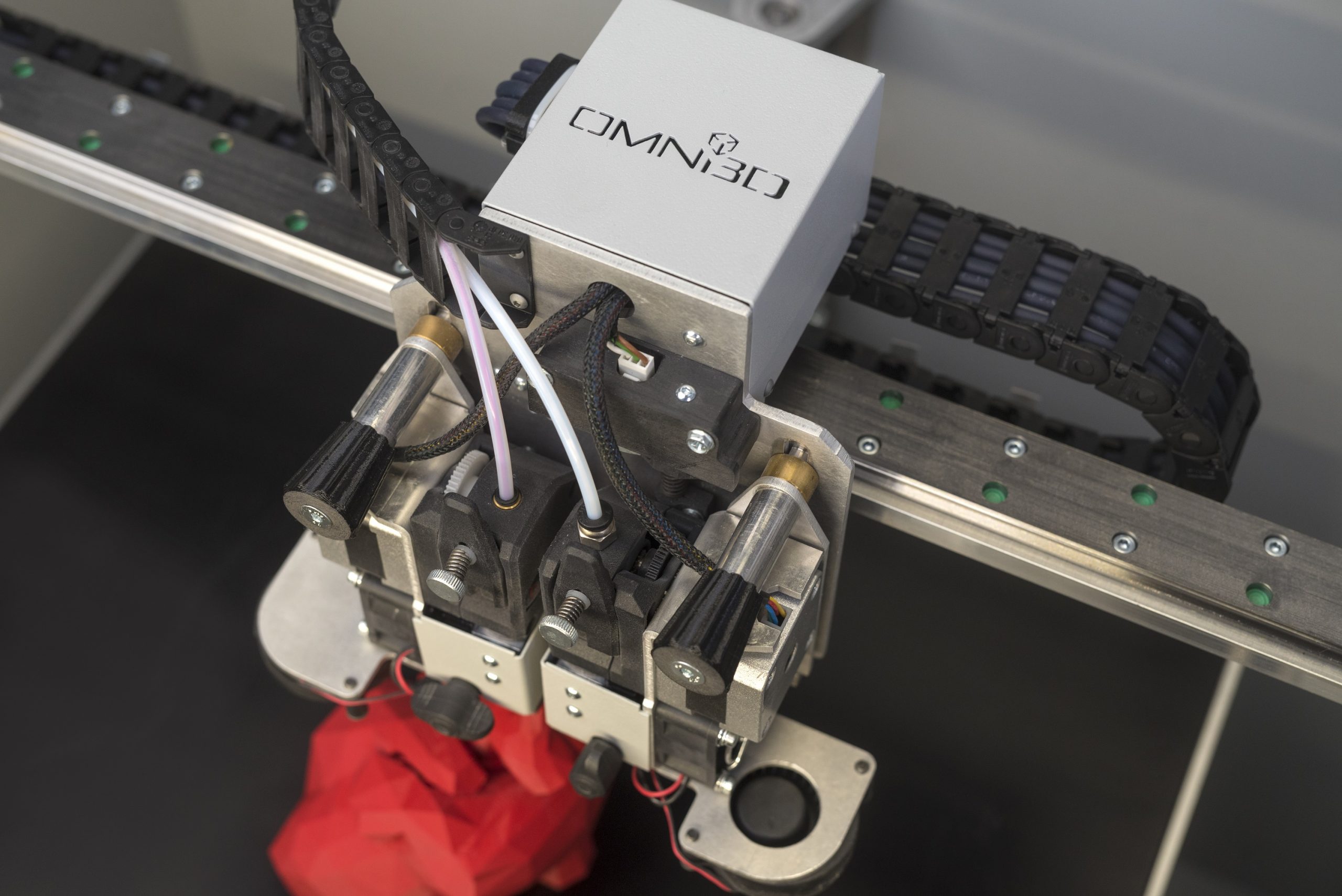
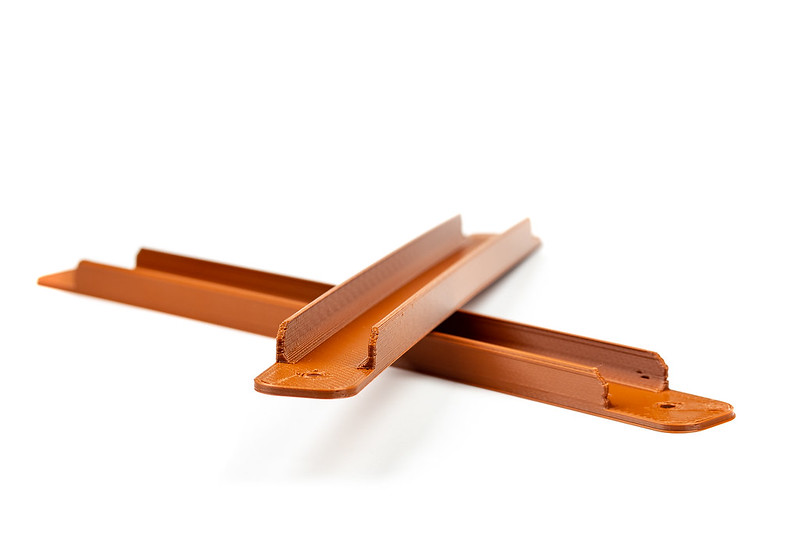
The Volkswagen factory in Września has been successfully using 3D printing technology for several years now, creating parts and tools used in the production of the Crafter model. It is on the Factory 2.0 printer from Polish company Omni3D that elements of robots cooperating with humans are printed.
My name is Tomasz Garniec and I am an Export Manager at Omni3D Sp. z o.o. Previously, for nearly 12 years, I was associated with the meat industry as a Product Manager implementing machine solutions, I had the opportunity to learn about the needs of production plants and what challenges they had to face on a daily basis. I will try to justify in a short publication – why industrial 3D printing should be used in meat plants and why it is justified to be interested in it now. I will try to justify in a short publication – why industrial 3D printing should be used in meat plants and why it is justified to be interested in it now.
According to the Sculpteo 2020 report (The State of 3D printing) published in June, over 60% of companies using 3D printing record a significant reduction in production costs using a 3D printer. It is indicated that in the coming years, 3D printing will play a significant role in production and business, creating a competitive advantage.
The purchase of an industrial 3D printer is just one of the options offered on the additive technology market. An industrial 3D printer can be rented or leased. Another solution is the 3D printing service on request.
A few years ago, the furniture industry discovered the benefits of 3D service. Designers and architects look for inspiration and opportunities to experiment with materials, structures and shapes in this technology. The presented designs confirm the potential of 3D printing in interior design i.e. original furniture, sophisticated lamps, personalized vases and other everyday equipment to satisfy every customer.