
Resources
Insights, trends, and actionable strategies for aerospace, automotive, industrial maintenance, and defense industries using cutting-edge large-format 3D printers.
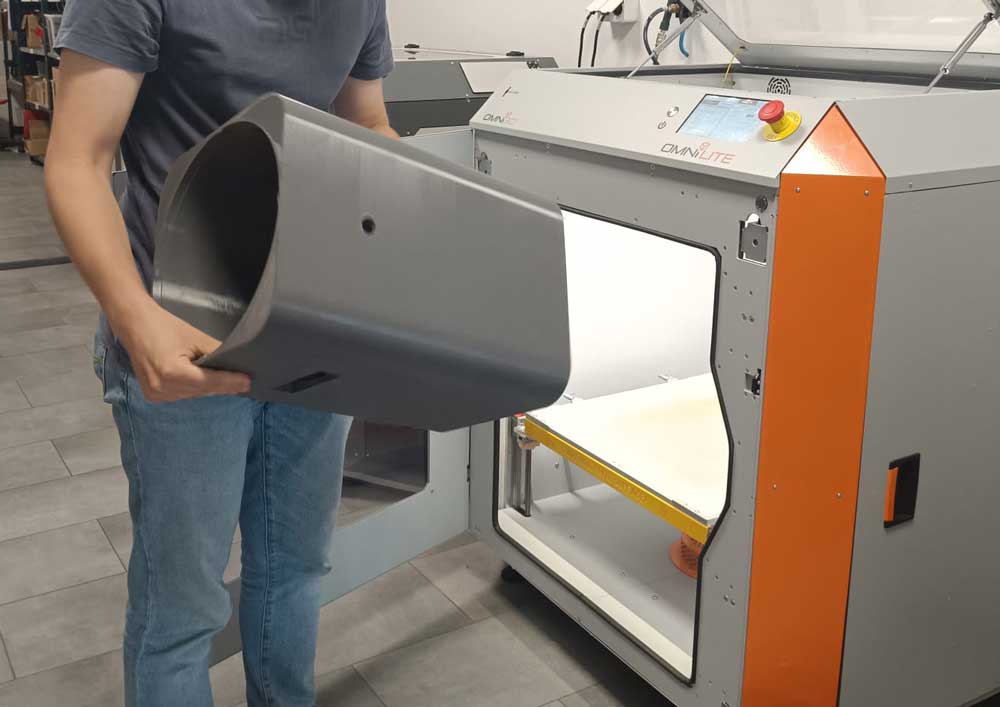
Optimizing PET-G 3D Printing: Omni3D Industrial Technical Guide

3D Printed Cable Pulling Tool for RECARO Aircraft Seating
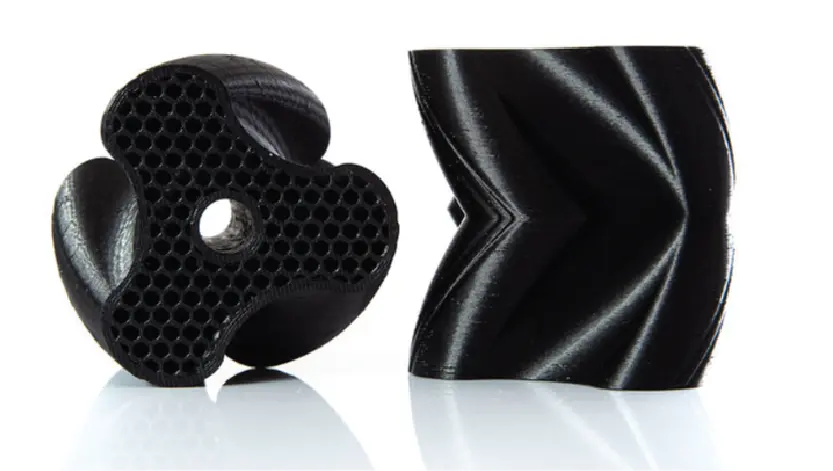
3D Printed Rotor for a Pulse-Free Gas Meter CGR-05
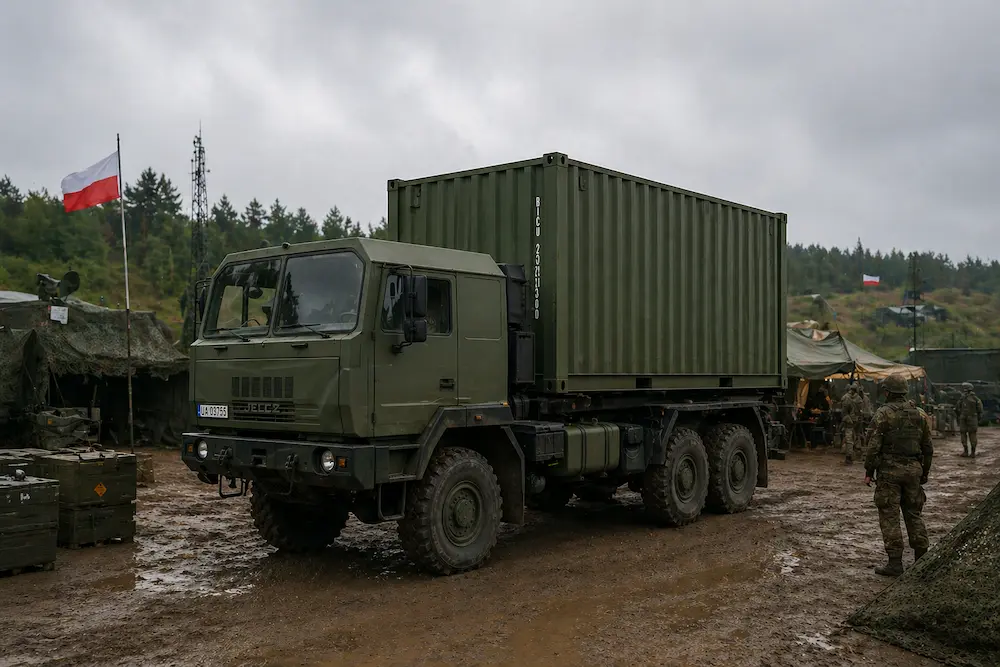
Forward-Deployed Additive Manufacturing: Shortening Defense Supply Chains at the Point of Need

3D Printed Scale Model for a Container Transformer Station (FUTURA)

3D Printed Car Body Prototype in PC-ABS
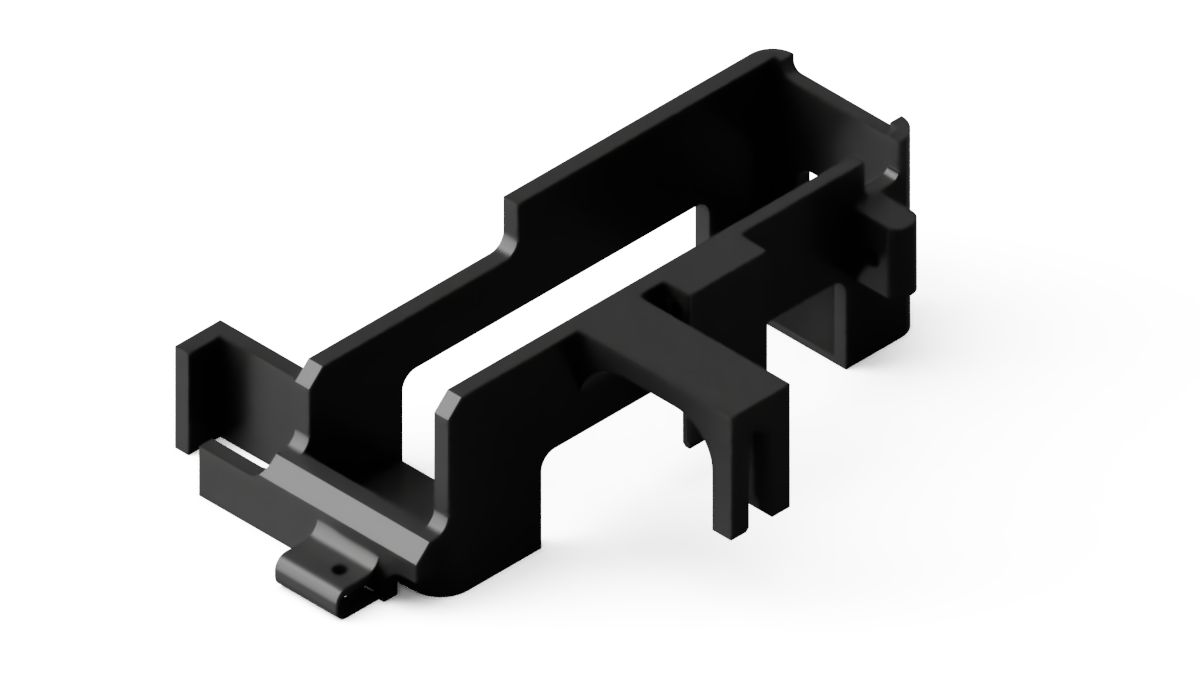
Increase Strength of 3D Printed Parts by Splitting the Model and Optimizing Orientation

Breaking Vendor Lock-In: How Omni TECH Reduces Machine Downtime Costs

Why Omni3D Recommends ASNARE for High-Temperature 3D Printing
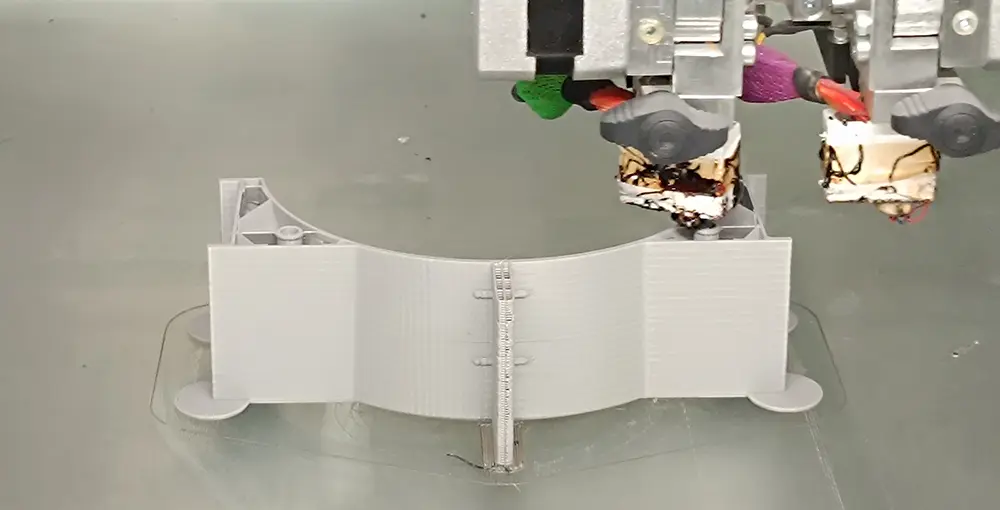
When Industrial FDM is (and isn’t) the Right Choice compared to CNC and Injection Molding
Industrial 3D printing solutions trusted by











Latest blog posts
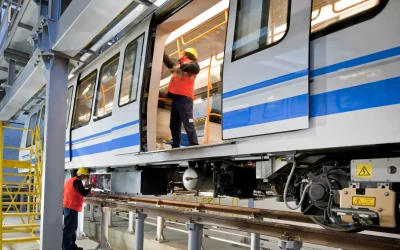
EN 45545-2 HL2: Materials and Process Validation for Railway AM
Railway additive manufacturing requires evidence that matches the material, printing process and finished component. This guide examines Omni3D’s documented PC HL2 FR configuration, distinguishes material data from printed-system testing, and explains how chamber capability and surface finishing fit into a practical MRO qualification plan.

Industrial Automotive 3D Printing from Engineering to Production
Full-scale prototypes help automotive teams evaluate fit before investing in tooling. This overview examines an electric tuk-tuk fender, a flexible Vicim mud flap and selected Arrinera components, showing how Omni3D printing supports design validation and the assessment of low-volume production applications.

Omni3D Opens U.S. Office, Signs Building Momentum for Defense Vertical, and Announces IMTS Showcase of PRO and TECH+ Systems
ALEXANDRIA...







