Resources

Insights, trends, and actionable strategies for aerospace, automotive, industrial maintenance, and defense industries using cutting-edge large-format 3D printers. 
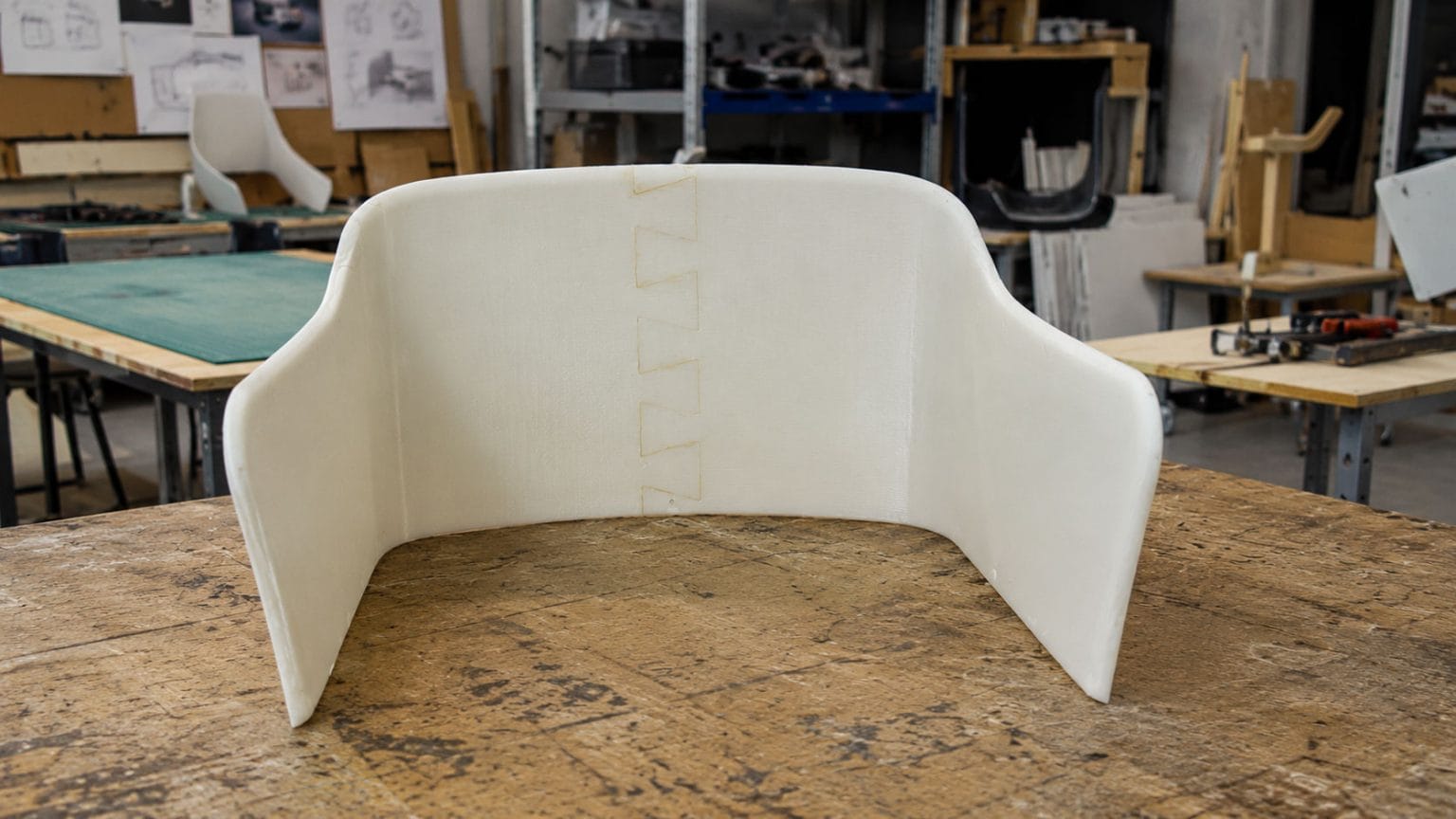
From CAD to Full Scale: Engineering the Silence Chair with Industrial 3D Printing

From CAD to Full Scale: Engineering the Silence Chair with Industrial 3D Printing

Omni3D and FUSS sp. z o.o. used large-format ABS 3D printing to manufacture a full-scale structural component for the Silence Chair. This technical case study examines the slicing strategy, thermal management, warpage prevention, post-processing, and €662.85 production cost of the 69-hour build.
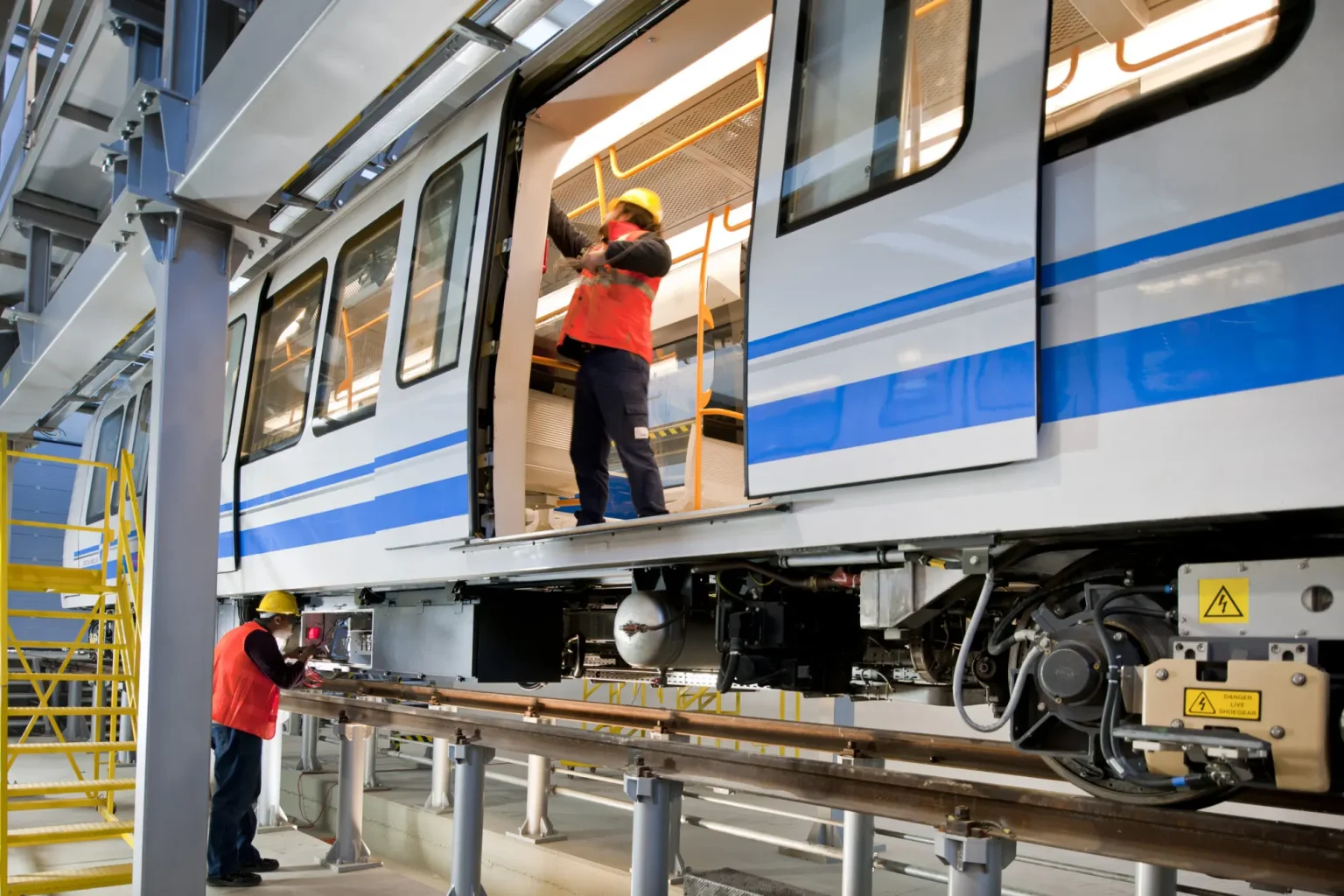
How to Achieve EN 45545-2 HL3 Compliance in Railway 3D Printing
How to Achieve EN 45545-2 HL3 Compliance in Railway 3D Printing

Achieving EN 45545-2 HL3 compliance in railway additive manufacturing requires more than selecting a flame-retardant filament. This article explains how certified materials, controlled industrial printing, 100% infill, compliant adhesives, and approved surface finishes work together to produce safe railway components.
Omni3D Defense Additive Manufacturing Architecture at MSPO 2026

Omni3D Defense Additive Manufacturing Architecture at MSPO 2026

Defense additive manufacturing is transforming how military organizations produce spare parts, maintain legacy platforms, and respond to supply-chain disruptions. At MSPO 2026, Omni3D will ...
3D Printing for Heritage Conservation: Scan-to-mold Guide 

3D Printing for Heritage Conservation: Scan-to-mold Guide 

Large-format 3D printing for heritage conservation provides a non-invasive alternative to traditional mold-making and manual reconstruction. By combining metrology-grade 3D scanning with ...
Large-Format Automotive Tooling & Mold Validation 

Large-Format Automotive Tooling & Mold Validation 

This case study demonstrates how automotive tooling validation can be improved through large-format 3D printing before committing to expensive composite mold production.The Challenge: ...
How to Reduce Custom Tooling Lead Times from 10 Weeks to 1 Week Using Dual-Material Additive Manufacturing

How to Reduce Custom Tooling Lead Times from 10 Weeks to 1 Week Using Dual-Material Additive Manufacturing

A Tier-1 bearing manufacturer redesigned a complex production tool for dual-material industrial 3D printing. By combining ABS with soluble ODS-20 support material, the project reduced the assembly from 24 to 12 components, lowered its weight from 2.5 to 2.0 kg, and shortened production from 8–10 weeks to one week.
Eurosatory 2026: Material Freedom. How Open-System 3D Printers Mitigate Defense Supply Chain Risk

Eurosatory 2026: Material Freedom. How Open-System 3D Printers Mitigate Defense Supply Chain Risk

What companies should be visiting Eurosatory 2026?The modern battlespace runs on data, but it is supplied by physical logistics. For nations attending Eurosatory 2026, the starkest lessons ...
Small Tactical Drones in European Defense: Why Speed, Scale, and Sustainment Matter

Small Tactical Drones in European Defense: Why Speed, Scale, and Sustainment Matter

Small tactical drones are changing European defense requirements beyond speed, range, and payload. Using the Omni3D Mosquito 1000 and Mosquito 1600 as examples, this article examines why scalable production, secure digital workflows, fleet replacement, and forward-deployed manufacturing are essential to maintaining operational capability.
TPU with PLA Support in Defense Applications

TPU with PLA Support in Defense Applications

How to Achieve a Clean Surface Without DamageFlexible materials like TPU open up a wide range of industrial applications, from cushioning elements to gaskets and protective covers. At the ...
Optimizing PET-G 3D Printing: Omni3D Industrial Technical Guide

Optimizing PET-G 3D Printing: Omni3D Industrial Technical Guide

Author: Omni3D Engineering DivisionKeywords: PET-G-32, Layer Adhesion, Sacrificial Barrier, Thermal Contraction, Industrial FFF, Z-Offset Calibration.1. Adhesion Management: PET-G and ...
No results found.

Industrial 3D printing solutions trusted by

Latest blog posts
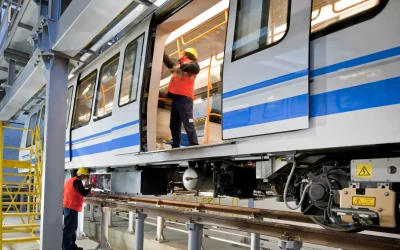
How to Achieve EN 45545-2 HL3 Compliance in Railway 3D Printing

How to Achieve EN 45545-2 HL3 Compliance in Railway 3D Printing

Achieving EN 45545-2 HL3 compliance in railway additive manufacturing requires more than selecting a flame-retardant filament. This article explains how certified materials, controlled industrial printing, 100% infill, compliant adhesives, and approved surface finishes work together to produce safe railway components.

read more

You'll receive the link of the file in your email

You'll receive the link of the file in your email

You'll receive the link of the file in your email

You'll receive the link of the file in your email

You'll receive the link of the file in your email

You'll receive the link of the file in your email

You'll receive the link of the file in your email

You'll receive the link of the file in your email