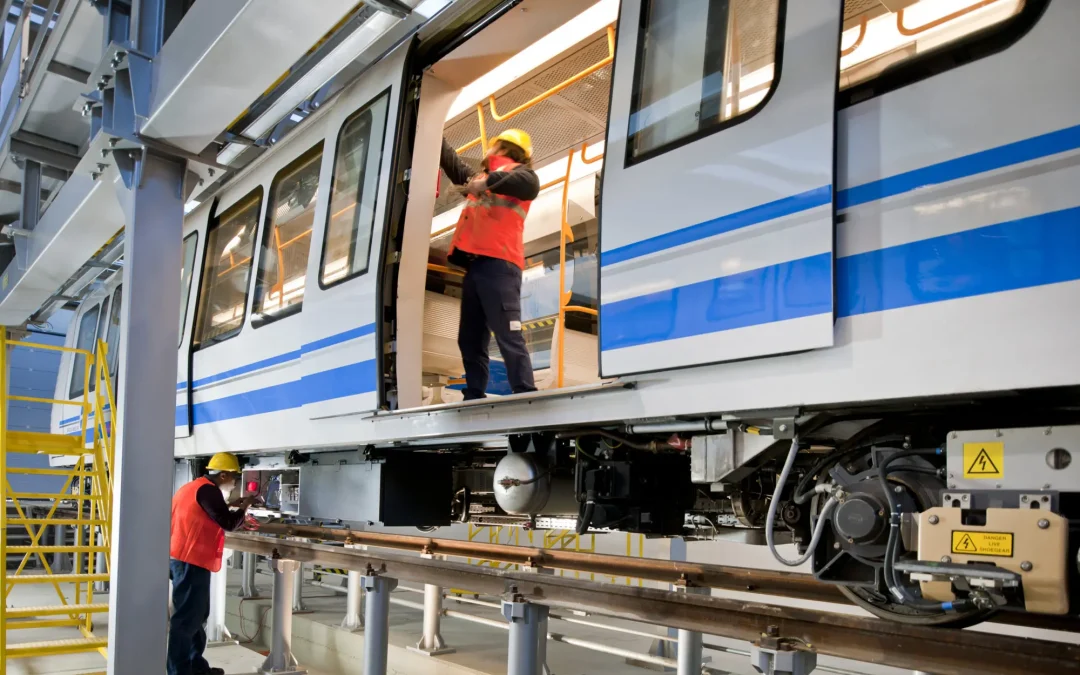
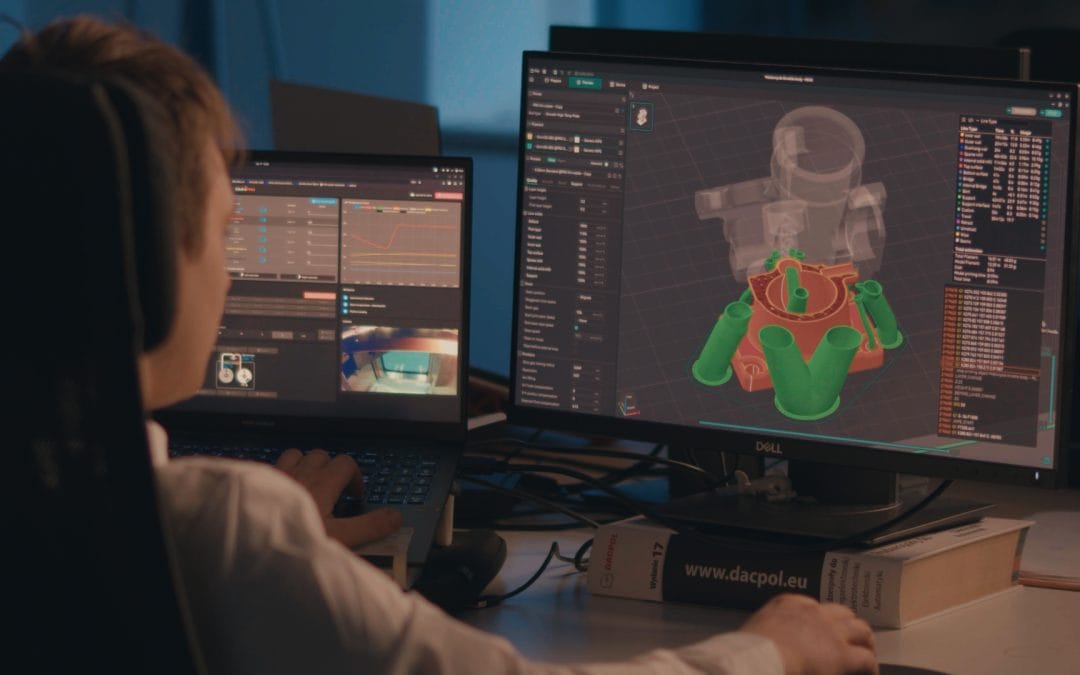
Railway additive manufacturing requires evidence that matches the material, printing process and finished component. This guide examines Omni3D’s documented PC HL2 FR configuration, distinguishes material data from printed-system testing, and explains how chamber capability and surface finishing fit into a practical MRO qualification plan.
Full-scale prototypes help automotive teams evaluate fit before investing in tooling. This overview examines an electric tuk-tuk fender, a flexible Vicim mud flap and selected Arrinera components, showing how Omni3D printing supports design validation and the assessment of low-volume production applications.
ALEXANDRIA, VA- Sept.9th, 2026 Omni3D Establishes U.S. Headquarters in Alexandria, VA, Signs Building Momentum for Defense Vertical, and Announces Channel Expansion Ahead of IMTS 2026 Omni3D Sp. z o.o., an ISO 9001:2015-certified European OEM holding NATO supplier...
Can 3D Printing Produce Qualified Railway Signalling Components? Yes. Industrial 3D printing can support the production of railway signalling and rolling-stock components when the material, manufacturing process, part geometry and post-processing steps are properly...
Defense additive manufacturing security extends beyond CAD encryption. This guide maps remote access, wireless connectivity, firmware, removable media and supply-chain risks to concrete AM cybersecurity controls and explains how air-gap-ready deployment supports controlled production.