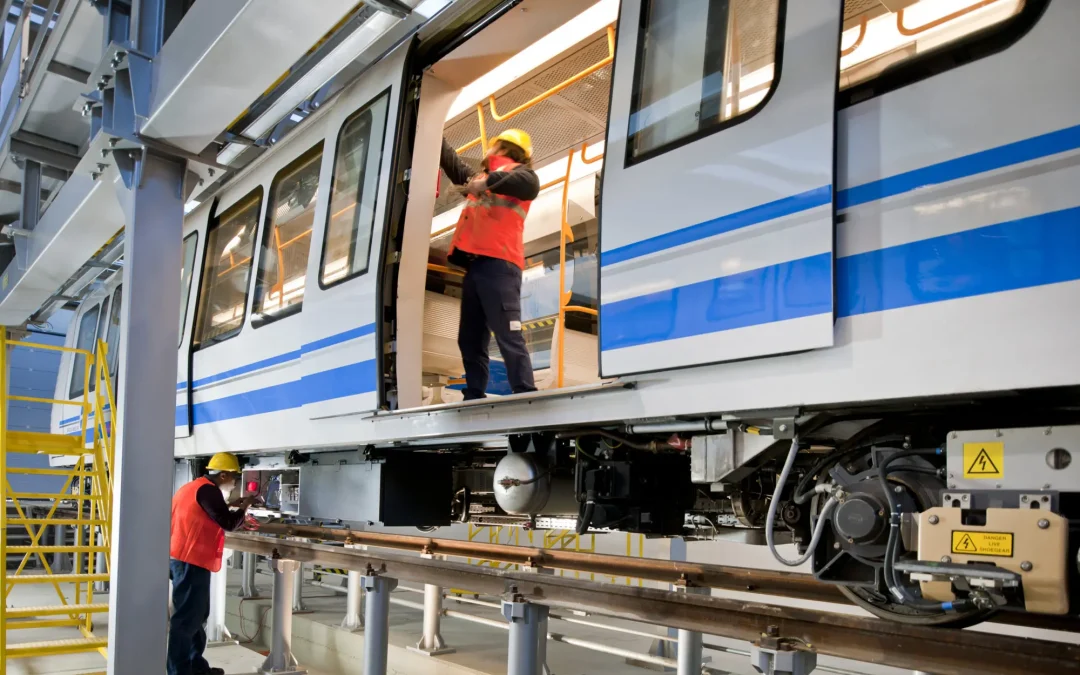
Railway additive manufacturing requires evidence that matches the material, printing process and finished component. This guide examines Omni3D’s documented PC HL2 FR configuration, distinguishes material data from printed-system testing, and explains how chamber capability and surface finishing fit into a practical MRO qualification plan.
Full-scale prototypes help automotive teams evaluate fit before investing in tooling. This overview examines an electric tuk-tuk fender, a flexible Vicim mud flap and selected Arrinera components, showing how Omni3D printing supports design validation and the assessment of low-volume production applications.
Can 3D Printing Produce Qualified Railway Signalling Components? Yes. Industrial 3D printing can support the production of railway signalling and rolling-stock components when the material, manufacturing process, part geometry and post-processing steps are properly...
Small tactical drones are changing European defense requirements beyond speed, range, and payload. Using the Omni3D Mosquito 1000 and Mosquito 1600 as examples, this article examines why scalable production, secure digital workflows, fleet replacement, and forward-deployed manufacturing are essential to maintaining operational capability.
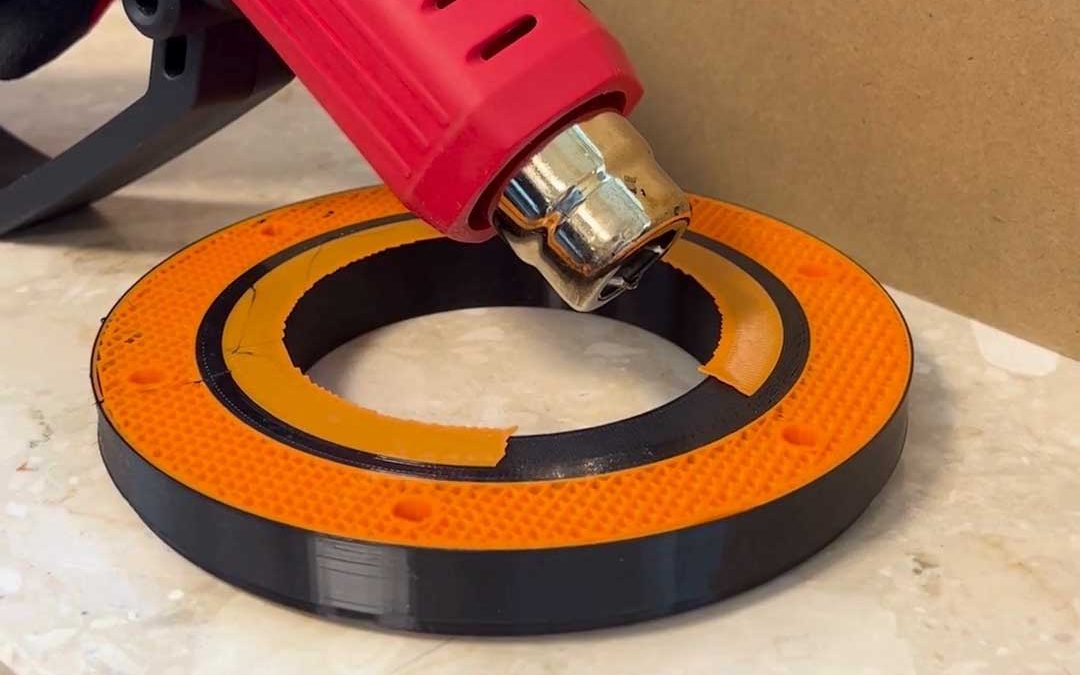
How to Achieve a Clean Surface Without Damage Flexible materials like TPU open up a wide range of industrial applications, from cushioning elements to gaskets and protective covers. At the same time, TPU brings a practical challenge that shows up quickly in real...
The Engineer’s Prerogative: Precision Over Hype For the Omni3D Engineering Division, industrial Material Extrusion (FFF) is not a magic wand, but a sophisticated thermal process governed by the laws of thermodynamics and polymer science. The most successful...