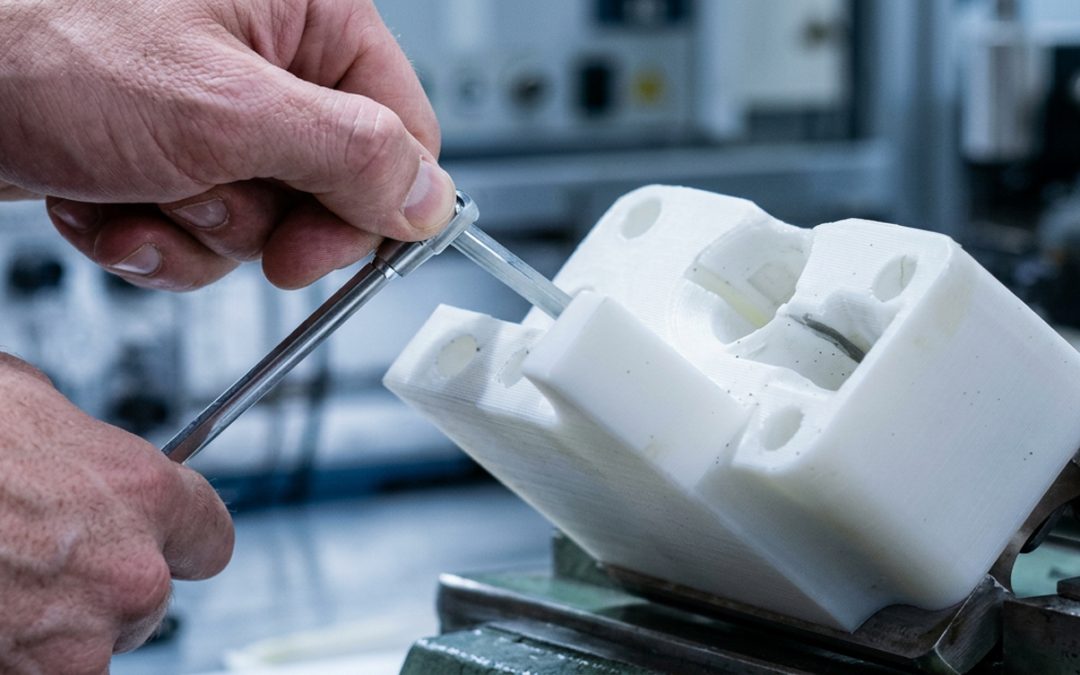
Industrial tooling needs more than a strong filament. This guide explains how to evaluate loads, material grades, printing conditions, wear interfaces and ESD requirements before releasing a printed jig or fixture. It also shows where Omni3D systems and application services fit into a controlled tooling workflow.
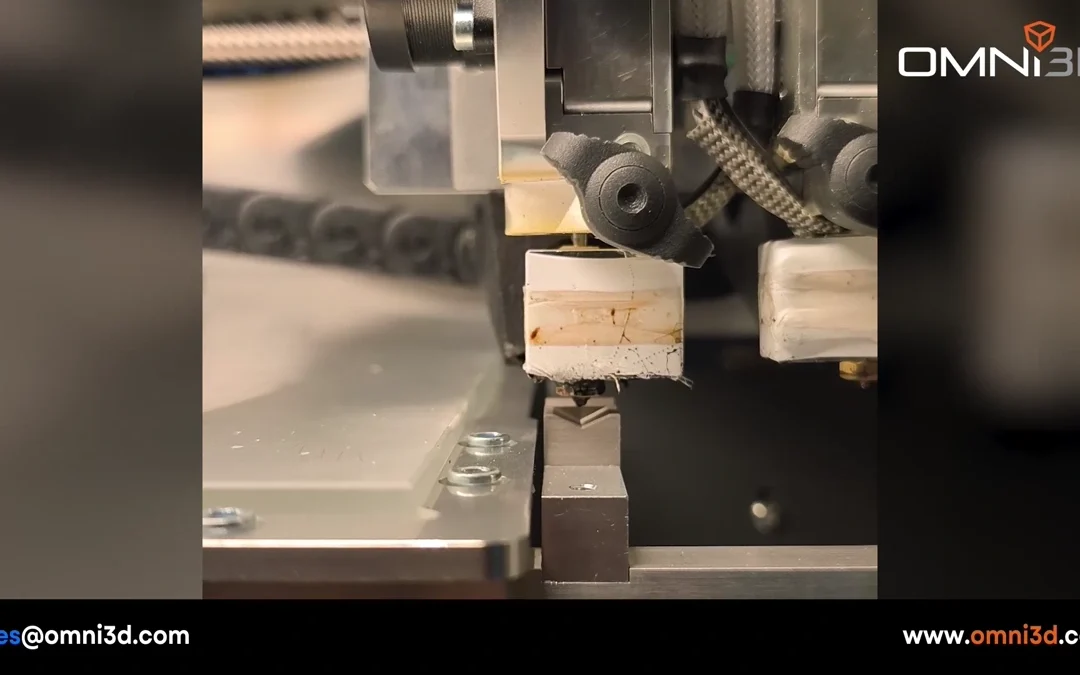
Manual nozzle alignment adds preparation work to industrial dual-material printing. The Omni TECH+ combines automatic XY prism calibration with industrial motion components, an actively heated chamber and an open material platform to reduce setup time and support a more repeatable production workflow.
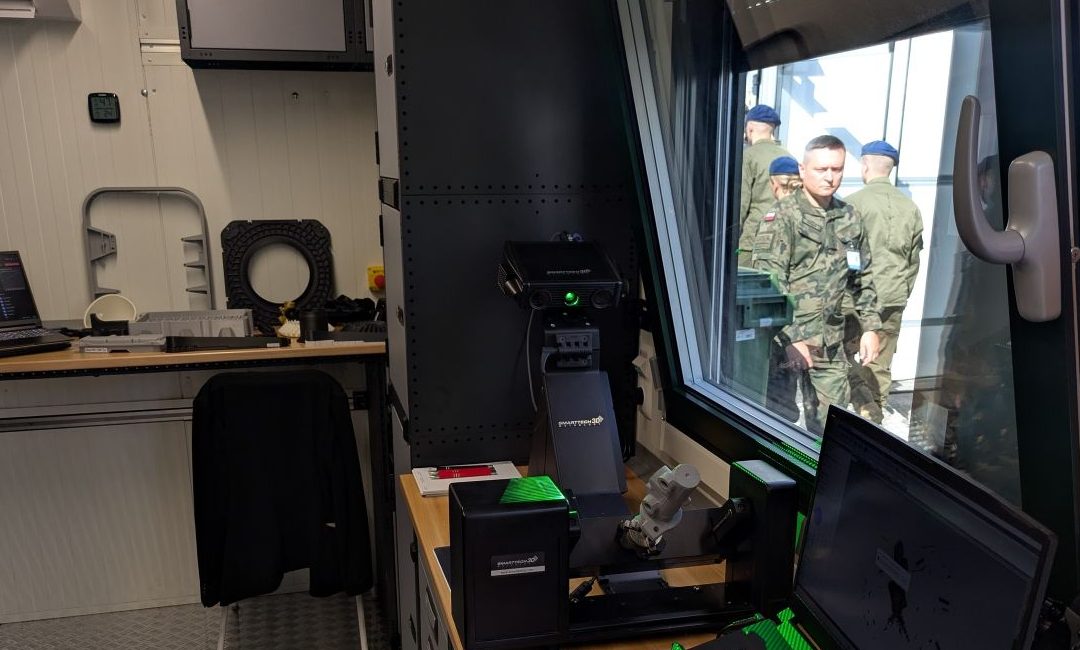
Following MSPO 2026, the implementation question is how to turn additive manufacturing equipment into a controlled production capability. This guide connects polymer and metal process selection with TFU20 deployment planning, approved digital files, inspection and the operational support needed for point-of-need manufacturing.
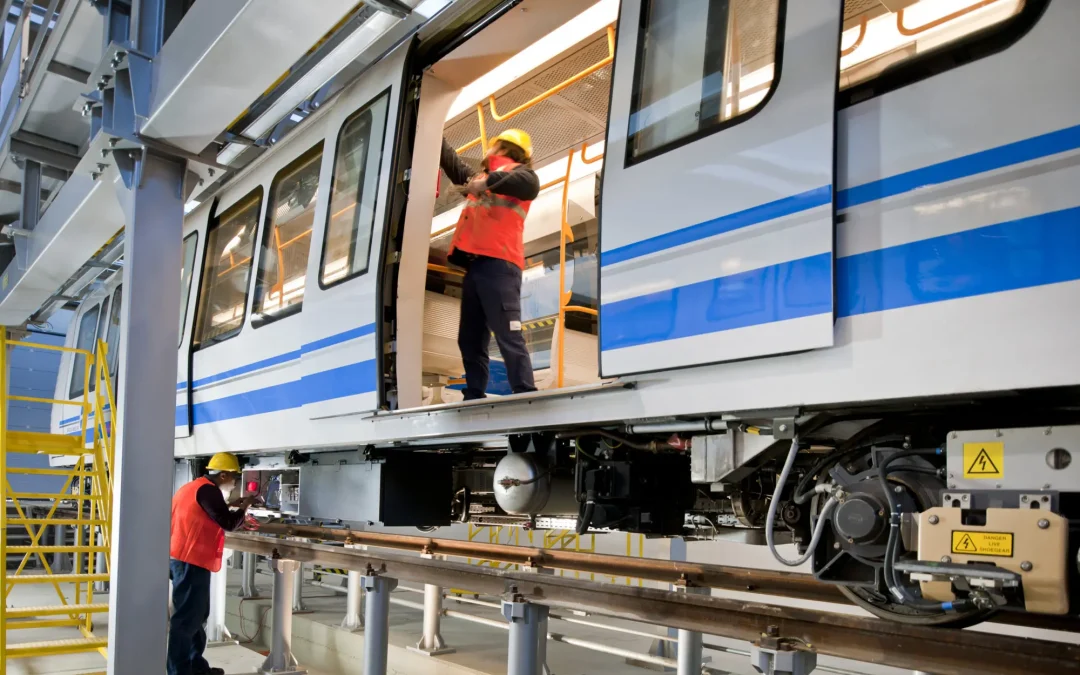
Railway additive manufacturing requires evidence that matches the material, printing process and finished component. This guide examines Omni3D’s documented PC HL2 FR configuration, distinguishes material data from printed-system testing, and explains how chamber capability and surface finishing fit into a practical MRO qualification plan.
Full-scale prototypes help automotive teams evaluate fit before investing in tooling. This overview examines an electric tuk-tuk fender, a flexible Vicim mud flap and selected Arrinera components, showing how Omni3D printing supports design validation and the assessment of low-volume production applications.