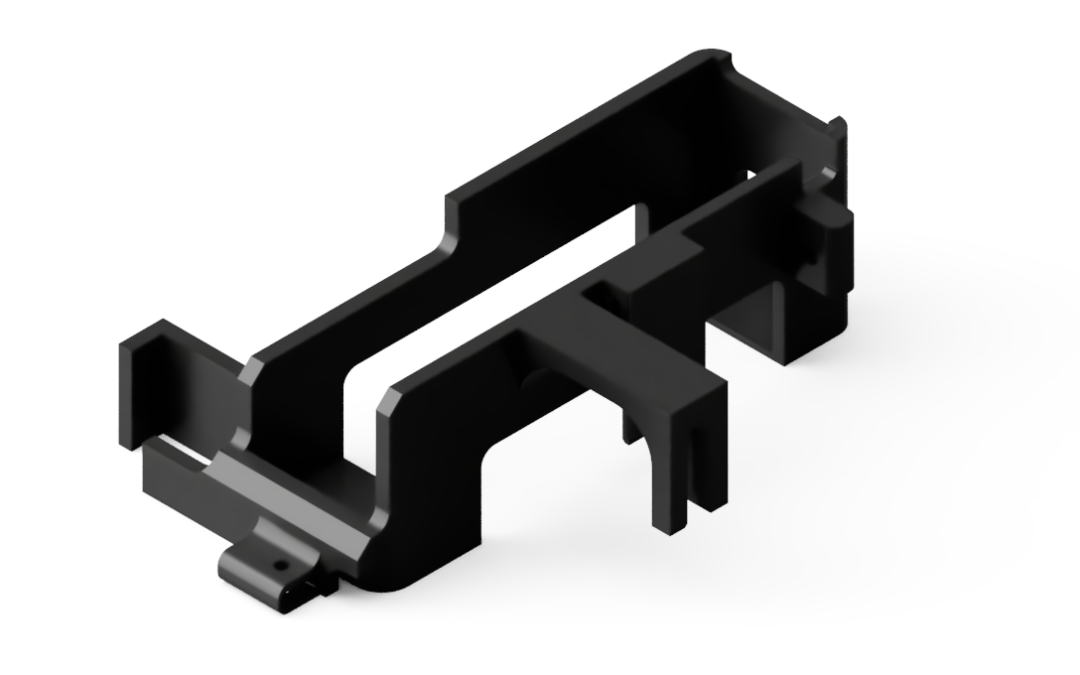
Case study: Diehl Controls Increase strength of 3D printed parts is often limited by anisotropy in FFF printing—especially along layer lines. This case study shows how splitting the model and optimizing orientation improved multi-axis durability for a Diehl Controls...
Learn how the Omni TECH industrial 3D printer helps maintenance engineers eliminate vendor lock-in, reduce spare parts lead times from 8 weeks to 3 days, and achieve ROI in the first year. Every maintenance engineer knows the scenario: a critical component on a...
First-layer adhesion is the single most critical factor preventing polymer warpage and build failure when processing High-Performance Polymers (HPPs) in industrial systems. In the context of a heated build chamber, the adhesive must withstand extreme thermal gradient...
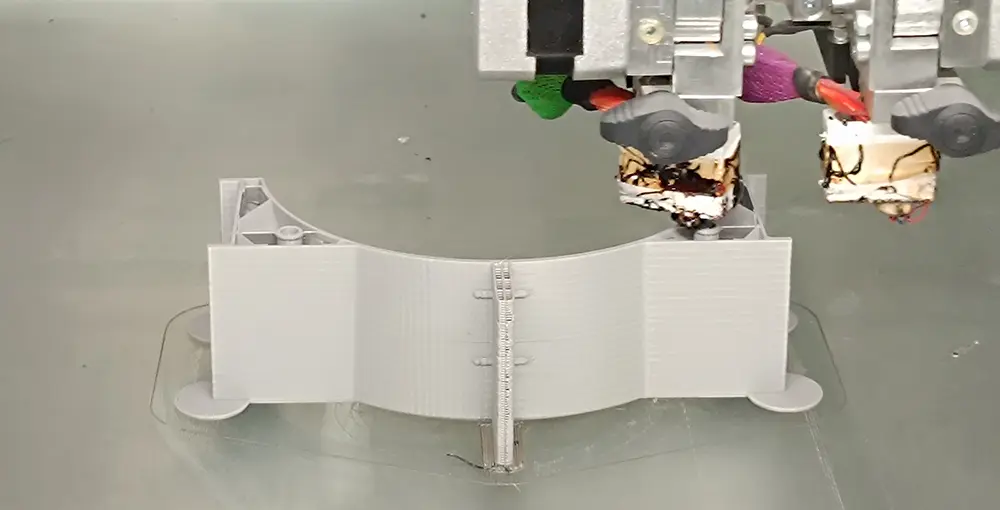
The Engineer’s Prerogative: Precision Over Hype For the Omni3D Engineering Division, industrial Material Extrusion (FFF) is not a magic wand, but a sophisticated thermal process governed by the laws of thermodynamics and polymer science. The most successful...
EN 45545-2 certified 3D printing is essential for manufacturers producing components for railway vehicles. A flame-retardant or approved filament does not automatically guarantee that the finished 3D printed part will meet railway fire-safety requirements. Printing...