


Is 3D Printing Ready for Railway Signalling? Understanding EN 45545-2 HL3
Can 3D Printing Produce Qualified Railway Signalling Components? Yes. Industrial 3D printing can support the production of railway signalling and rolling-stock components when the material, manufacturing process, part geometry and post-processing steps are properly...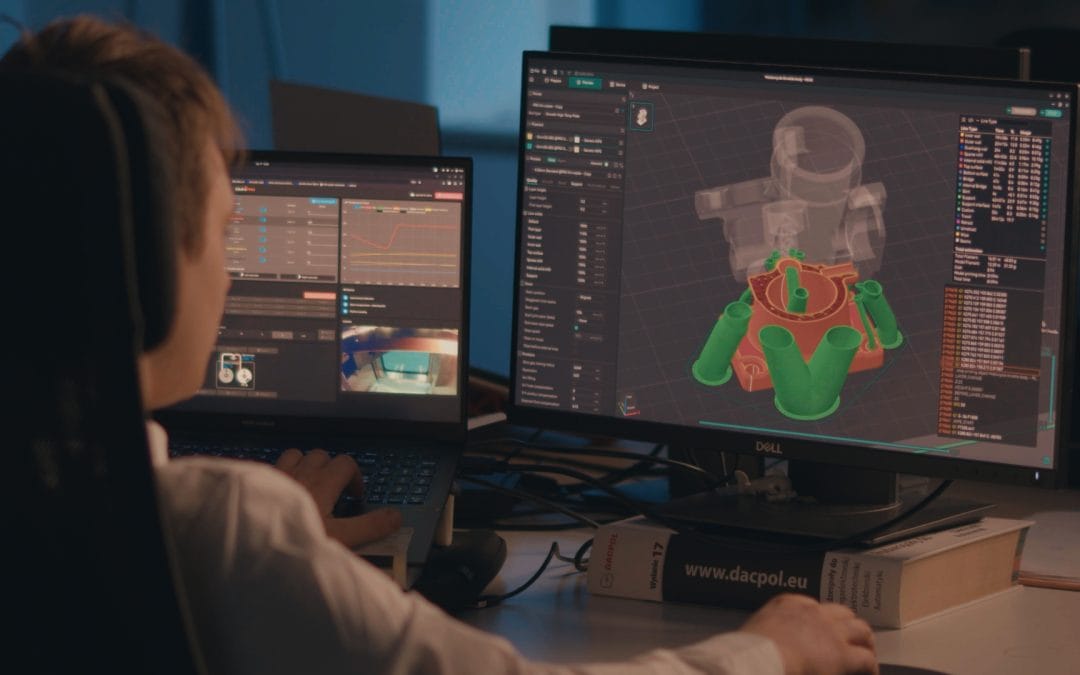
Secure Additive Manufacturing for Defense: How to Control 3D Printers, Data and Supply Chains
Defense additive manufacturing security extends beyond CAD encryption. This guide maps remote access, wireless connectivity, firmware, removable media and supply-chain risks to concrete AM cybersecurity controls and explains how air-gap-ready deployment supports controlled production.
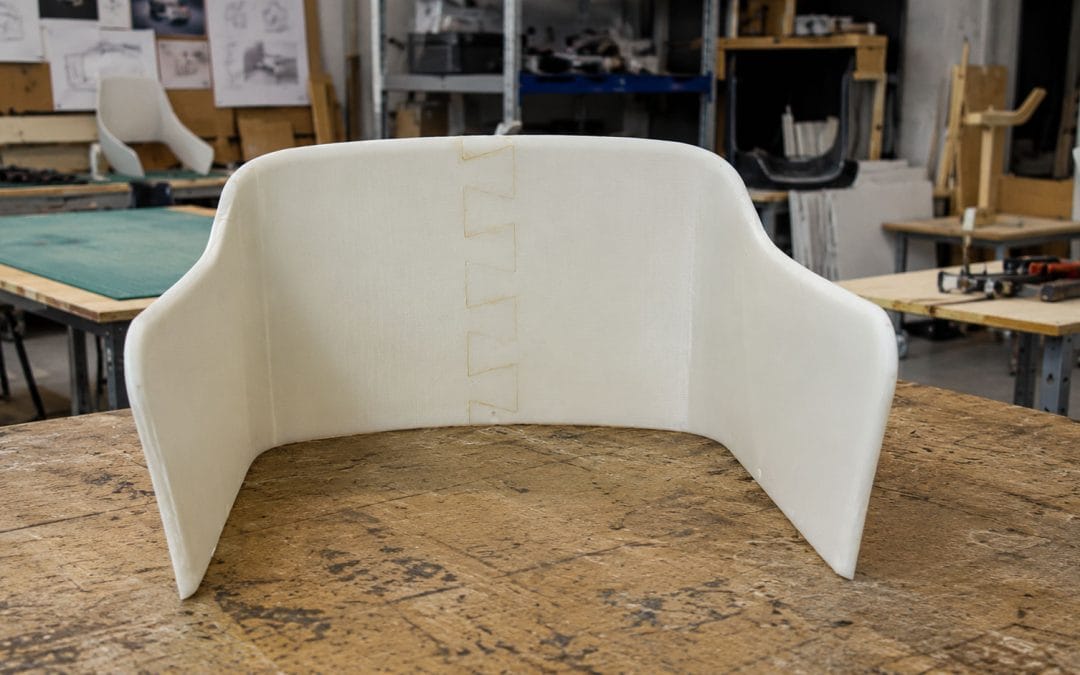
From CAD to Full Scale: Engineering the Silence Chair with Industrial 3D Printing
Omni3D and FUSS sp. z o.o. used large-format ABS 3D printing to manufacture a full-scale structural component for the Silence Chair. This technical case study examines the slicing strategy, thermal management, warpage prevention, post-processing, and €662.85 production cost of the 69-hour build.

How to Achieve EN 45545-2 HL3 Compliance in Railway 3D Printing
Achieving EN 45545-2 HL3 compliance in railway additive manufacturing requires more than selecting a flame-retardant filament. This article explains how certified materials, controlled industrial printing, 100% infill, compliant adhesives, and approved surface finishes work together to produce safe railway components.




