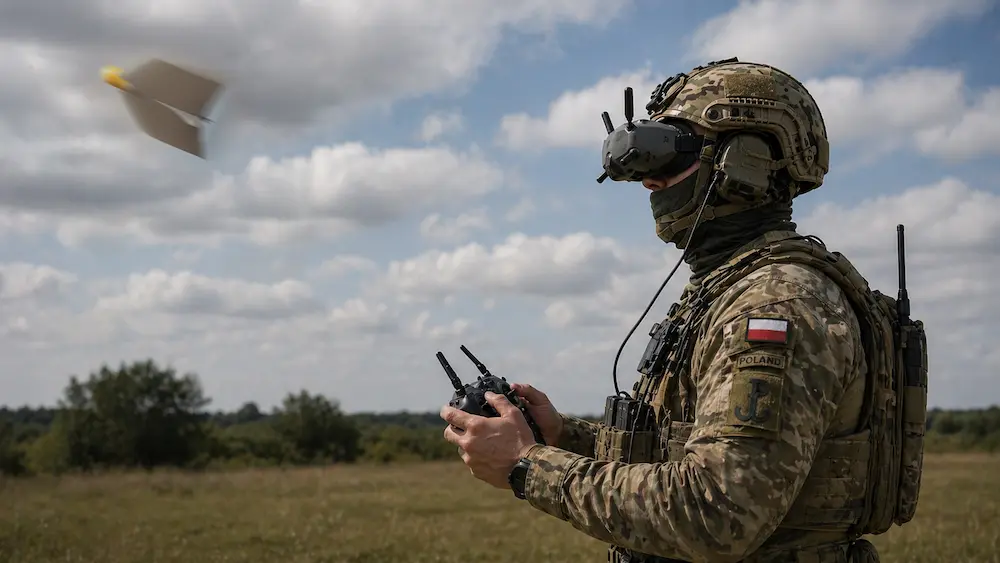
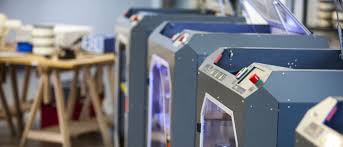
Small tactical drones are changing European defense requirements beyond speed, range, and payload. Using the Omni3D Mosquito 1000 and Mosquito 1600 as examples, this article examines why scalable production, secure digital workflows, fleet replacement, and forward-deployed manufacturing are essential to maintaining operational capability.
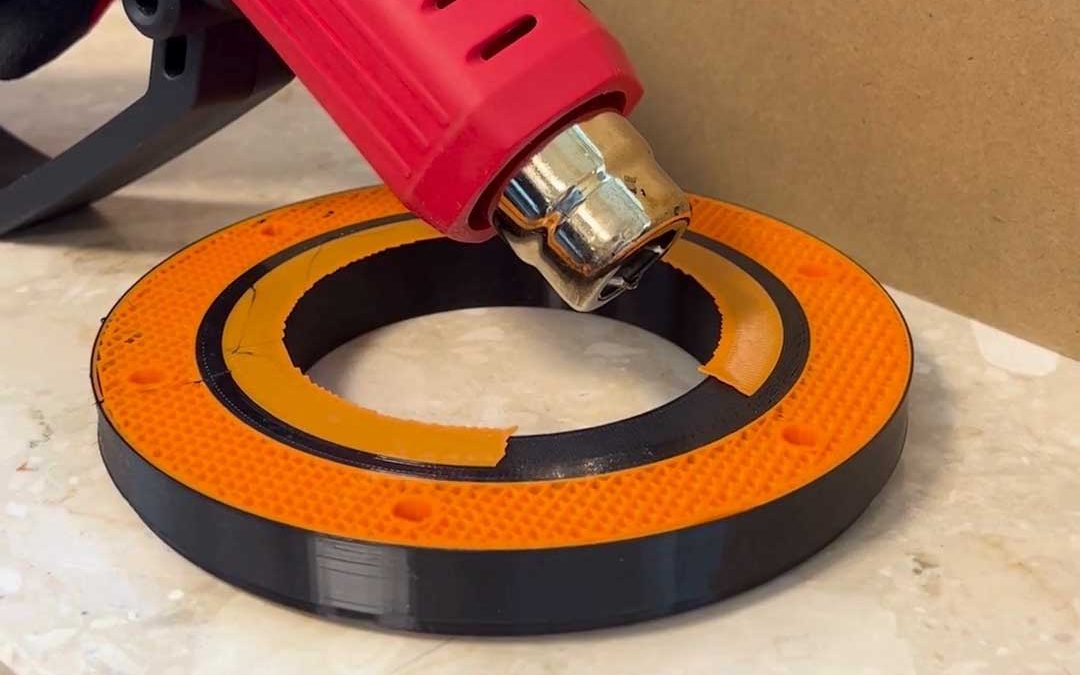
How to Achieve a Clean Surface Without Damage Flexible materials like TPU open up a wide range of industrial applications, from cushioning elements to gaskets and protective covers. At the same time, TPU brings a practical challenge that shows up quickly in real...
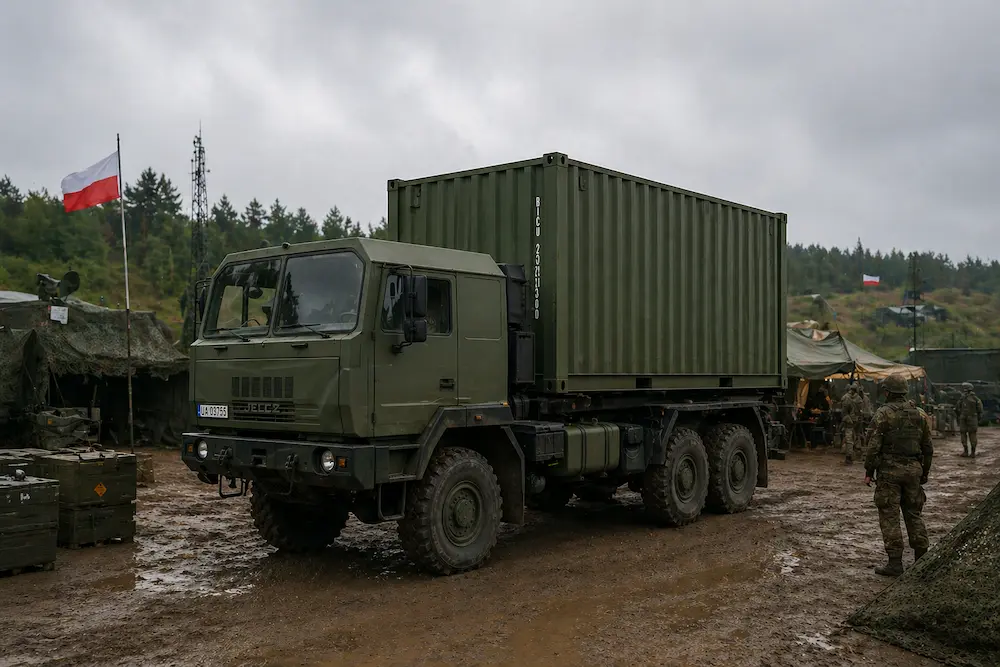
How in-situ additive manufacturing shortens defense supply chains at the point of need, with validated workflows, digital inventory, and Omni3D’s TFU20 deployable manufacturing lab.
Case study: Diehl Controls Increase strength of 3D printed parts is often limited by anisotropy in FFF printing—especially along layer lines. This case study shows how splitting the model and optimizing orientation improved multi-axis durability for a Diehl Controls...
Learn how the Omni TECH industrial 3D printer helps maintenance engineers eliminate vendor lock-in, reduce spare parts lead times from 8 weeks to 3 days, and achieve ROI in the first year. Every maintenance engineer knows the scenario: a critical component on a...
First-layer adhesion is the single most critical factor preventing polymer warpage and build failure when processing High-Performance Polymers (HPPs) in industrial systems. In the context of a heated build chamber, the adhesive must withstand extreme thermal gradient...