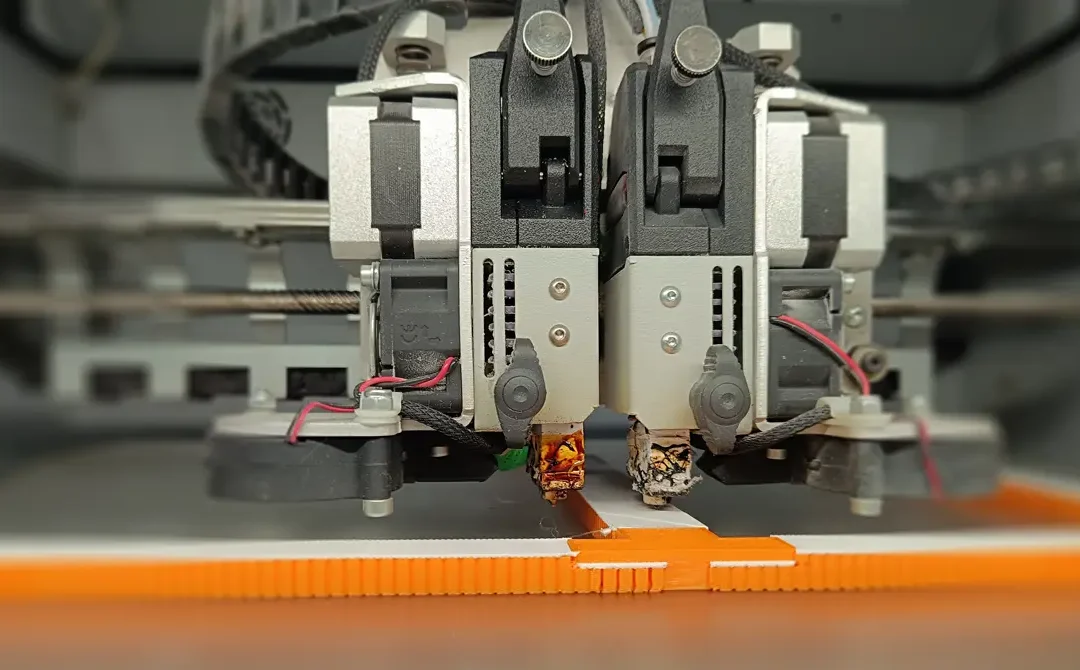
The Engineer’s Prerogative: Precision Over Hype For the Omni3D Engineering Division, industrial Material Extrusion (FFF) is not a magic wand, but a sophisticated thermal process governed by the laws of thermodynamics and polymer science. The most successful...
EN 45545-2 certified 3D printing is essential for manufacturers producing components for railway vehicles. A flame-retardant or approved filament does not automatically guarantee that the finished 3D printed part will meet railway fire-safety requirements. Printing...
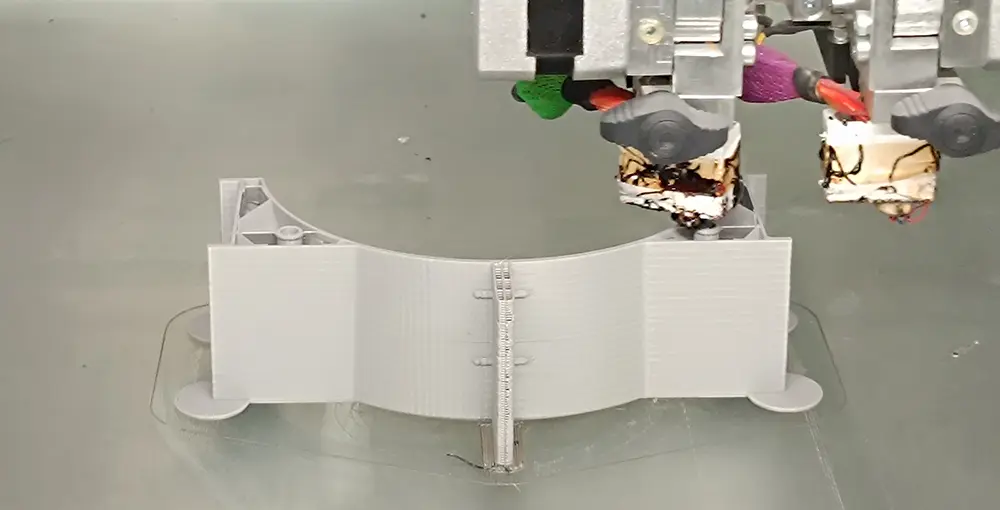
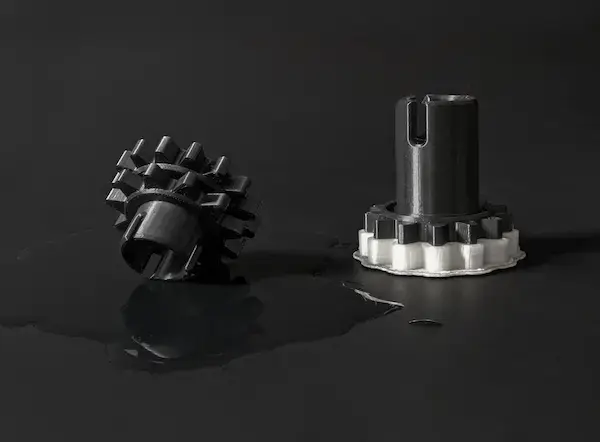
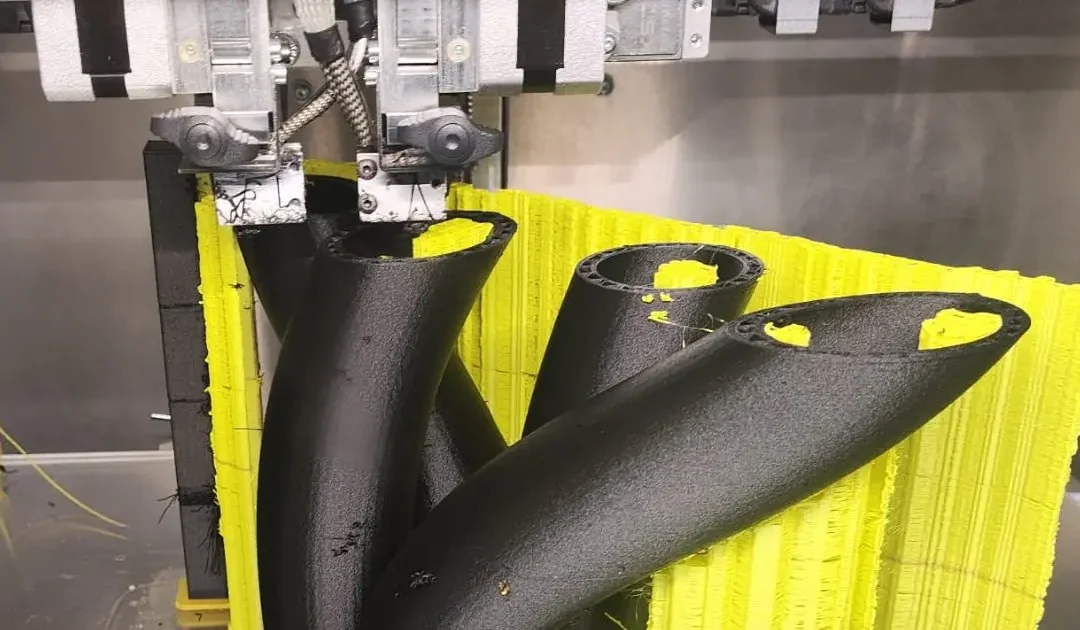
Achieving complex geometries and intricate features often necessitates the use of support structures. These are temporary scaffolds that help the printer hold up filament in places where there’s nothing underneath. A classic example is printing the letter “T” upright:...
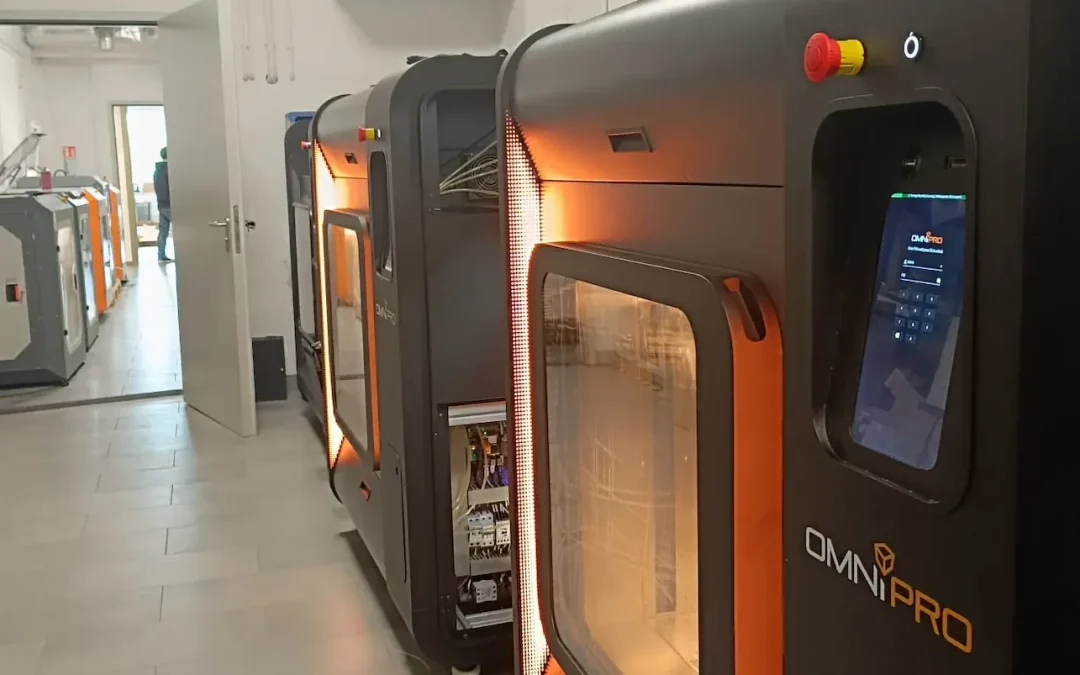
Omni3D large-format heated chamber industrial 3D printers is designed to meet the demands of high-performance applications. Omni3D printers are engineered to deliver unmatched precision, reliability, and efficiency for the manufacturing environment. When paired with...
Industrial material extrusion 3D printing, or additive manufacturing (AM), has firmly established itself as a reliable and indispensable process within the global manufacturing landscape. Far beyond rapid prototyping, today’s advanced industrial 3D printers are...
Industrial additive manufacturing (AM) has matured into a powerful and reliable production method, offering unprecedented flexibility and capability. For engineering and manufacturing professionals, the challenge is no longer if 3D printing can be used, but which...