

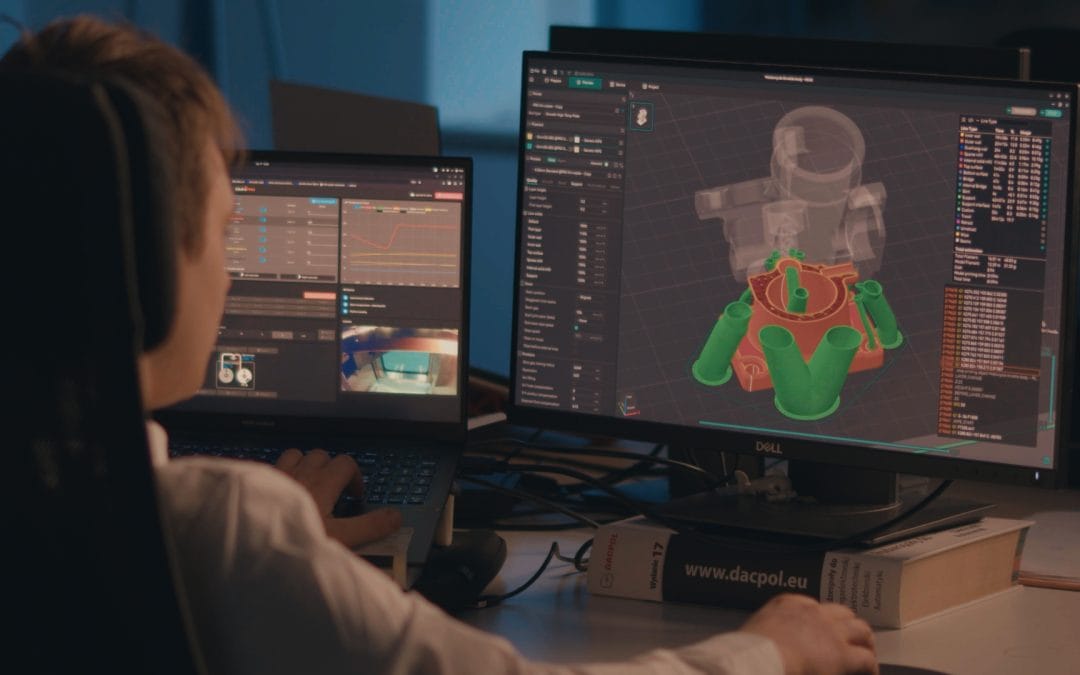
Secure Additive Manufacturing for Defense: How to Control 3D Printers, Data and Supply Chains
Defense additive manufacturing security extends beyond CAD encryption. This guide maps remote access, wireless connectivity, firmware, removable media and supply-chain risks to concrete AM cybersecurity controls and explains how air-gap-ready deployment supports controlled production.
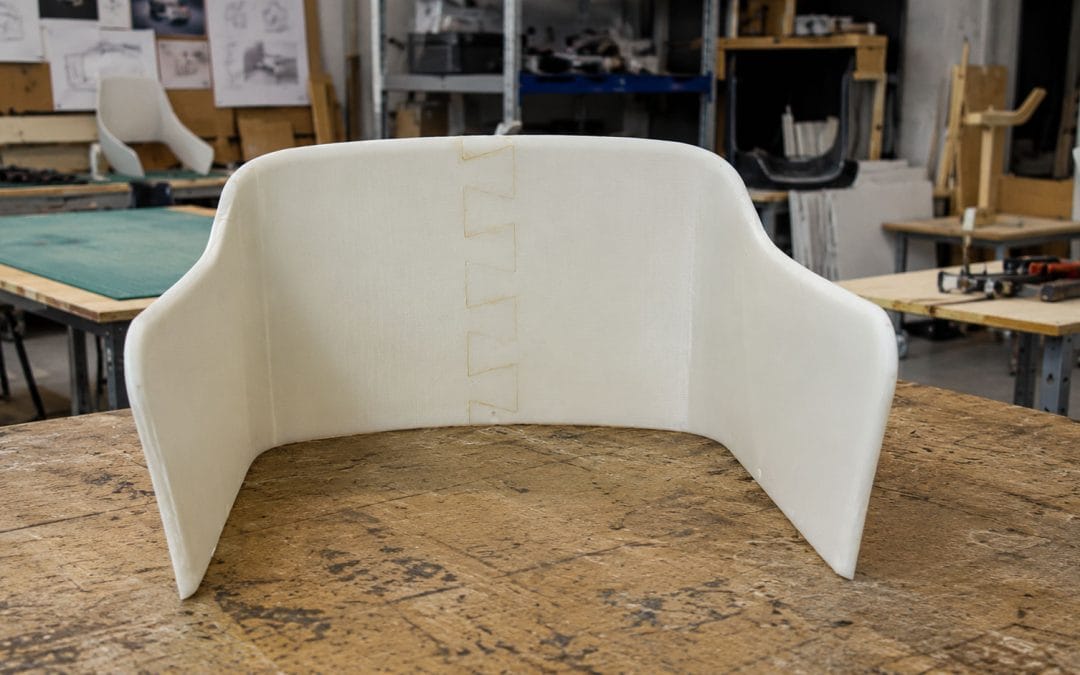
From CAD to Full Scale: Engineering the Silence Chair with Industrial 3D Printing
Omni3D and FUSS sp. z o.o. used large-format ABS 3D printing to manufacture a full-scale structural component for the Silence Chair. This technical case study examines the slicing strategy, thermal management, warpage prevention, post-processing, and €662.85 production cost of the 69-hour build.

How to Achieve EN 45545-2 HL3 Compliance in Railway 3D Printing
Achieving EN 45545-2 HL3 compliance in railway additive manufacturing requires more than selecting a flame-retardant filament. This article explains how certified materials, controlled industrial printing, 100% infill, compliant adhesives, and approved surface finishes work together to produce safe railway components.
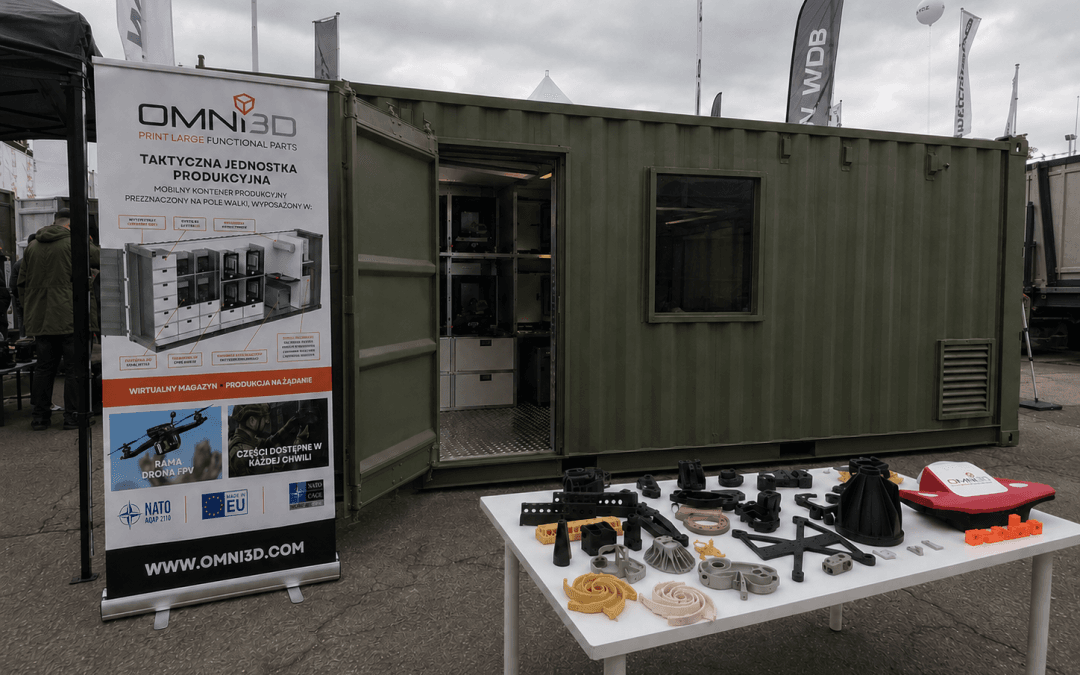
Omni3D Defense Additive Manufacturing Architecture at MSPO 2026
Defense additive manufacturing is transforming how military organizations produce spare parts, maintain legacy platforms, and respond to supply-chain disruptions. At MSPO 2026, Omni3D will present an integrated architecture combining high-temperature polymer...




